
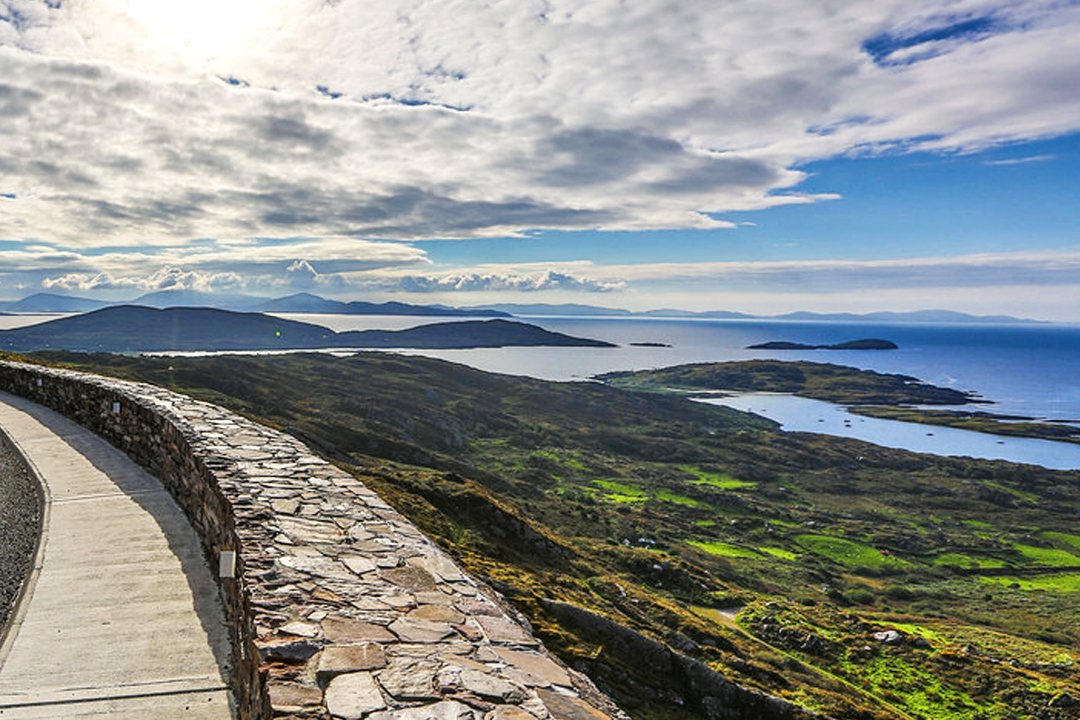
Derrynane. Wikimedia Commons / CC-BY-SA-3.0 / GFDL
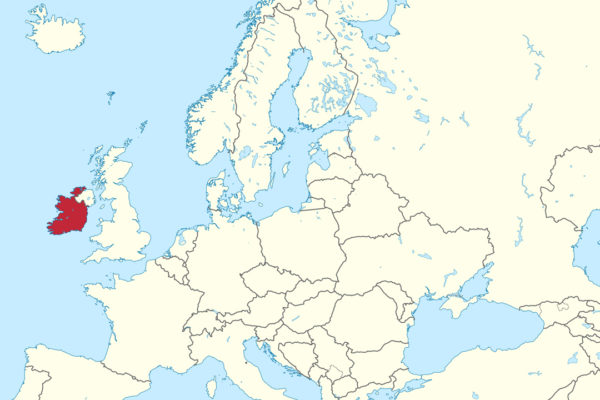
Capital: Dublin
Population: 4.7 million+
Language: English/Irish
Check out our Wild Atlantic Way feature here.
1 – Ring of Kerry & Slea Head Drive
A roughly 180km scenic loop around Kerry’s Iveragh Peninsula, threading mountain passes, Atlantic coast and the lakes of Killarney National Park, and dotted with sites dating back to the Iron Age.
Highlights include the 2,000-year-old Staigue Fort, Daniel O’Connell’s home at Derrynane, Muckross House, the Gap of Dunloe and the viewpoint at Ladies View.
Silent-film legend Charlie Chaplin loved the village of Waterville so much he holidayed here for years — there’s now a bronze statue of him on the seafront.
The Slea Head Drive is a stunning 38 to 47km circular coastal route on the Dingle Peninsula in County Kerry, Ireland. You can see Gallarus Oratory, ancient bee-hive huts, the picturesque Dunquin Pier, and Coumeenoole Beach which featured in Ryan’s Daughter.
2 – Croagh Patrick
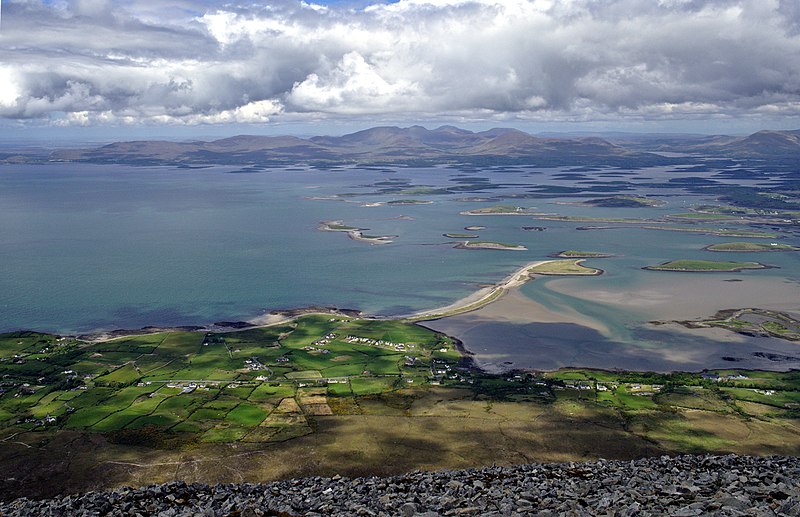
A near-perfect quartzite cone rising 764m above Clew Bay in County Mayo, and a sacred pilgrimage site for well over 1,500 years — long predating Christianity.
Pilgrims climb to a small summit chapel where St Patrick is said to have fasted for 40 days in 441, most famously on “Reek Sunday” each July, some of them barefoot.
Twice a year, seen from the ancient Boheh Stone below, the setting sun appears to roll down the mountain’s slope — a phenomenon that may have inspired the stone’s Neolithic carvings.
3 – Newgrange
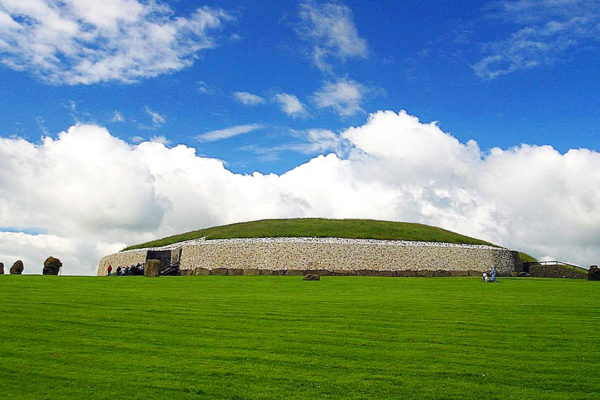
A 5,000-year-old passage tomb in County Meath’s Boyne Valley, built around 3200 BC — older than both Stonehenge and the Great Pyramids of Giza.
The centrepiece of the Brú na Bóinne UNESCO complex (alongside Knowth and Dowth), its 19m stone passage and spiral-carved kerbstones are reached via the visitor centre.
At dawn on the winter solstice, sunlight pours through a roof-box and fills the inner chamber with gold for about 17 minutes — demand to be inside is so high that places are allotted by annual lottery.
4 – Cliffs of Moher
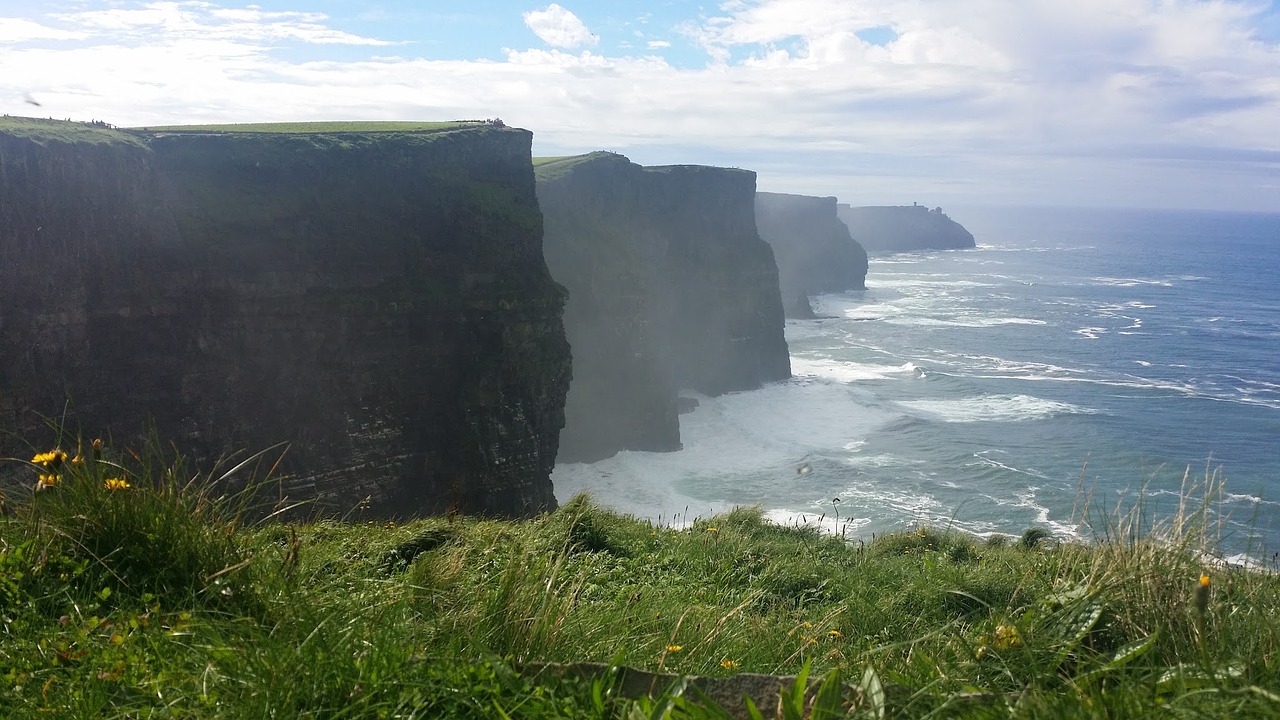
A 14km wall of layered sandstone and shale on the County Clare coast, plunging up to 214m into the Atlantic and formed in an ancient river delta some 320 million years ago.
Walk the cliff paths to O’Brien’s Tower (built 1835), watch the puffin colony, and on a clear day take in the Aran Islands and Connemara’s mountains.
They’ve starred on screen as the “Cliffs of Insanity” in The Princess Bride and the sea-cave Horcrux hideout in Harry Potter and the Half-Blood Prince.
5 – Kylemore Abbey
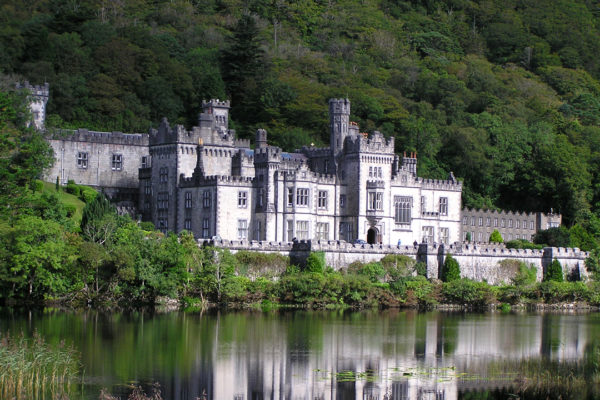
A neo-Gothic castle mirrored in a lake in the Connemara mountains of County Galway, built in the 1860s by politician Mitchell Henry and a Benedictine abbey since 1920.
Tour the restored castle rooms, the miniature memorial church and the six-acre Victorian Walled Garden, then wander the lakeshore and woodland walks.
It began as a grand romantic gesture: Henry built it for his wife Margaret, and after she died young he raised the lakeside church in her memory, its marble drawn from each of Ireland’s four provinces.
6 – Limerick
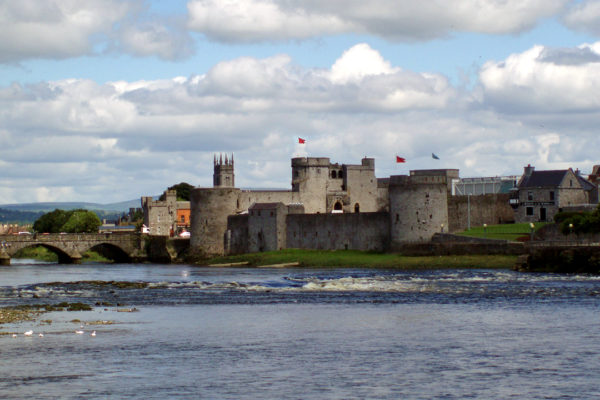
Ireland’s third city, founded by Vikings where the River Shannon meets the sea, with a medieval quarter clustered on King’s Island.
See the 13th-century King John’s Castle, the Treaty Stone that gave the “Treaty City” its name, St Mary’s Cathedral and the eclectic Hunt Museum.
The city is immortalised in Frank McCourt’s Pulitzer-winning memoir Angela’s Ashes — later a film with Emily Watson — which you can trace on a walking tour of its old lanes.
7 – Connemara
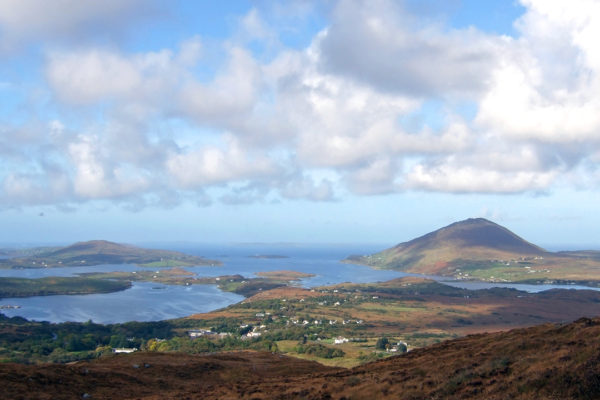
The wild western reach of County Galway — bog, quartzite peaks and Atlantic inlets — and Ireland’s largest Gaeltacht, where Irish remains the everyday language.
Hike the Twelve Bens in Connemara National Park, cruise Killary Harbour (often called Ireland’s only fjord), and visit Kylemore Abbey and the village of Roundstone.
Connemara and nearby Cong provided the backdrop for the 1952 classic The Quiet Man, while Leenane featured in The Field; it’s also home to Ireland’s only native horse, the Connemara pony.
8 – Dublin

Ireland’s capital for over a thousand years, set on the River Liffey and founded on a Viking settlement.
Visit Trinity College and the Book of Kells, the Guinness Storehouse, St. Patrick’s Cathedral, Kilmainham Gaol, the Garden of Remembrance, and the 1916 Easter Rising landmarks on O’Connell Street.
A UNESCO City of Literature and home of Wilde, Yeats, Beckett and Joyce — whose Ulysses unfolds across a single Dublin day, 16 June 1904, still celebrated each “Bloomsday.”
9 – Skellig Michael
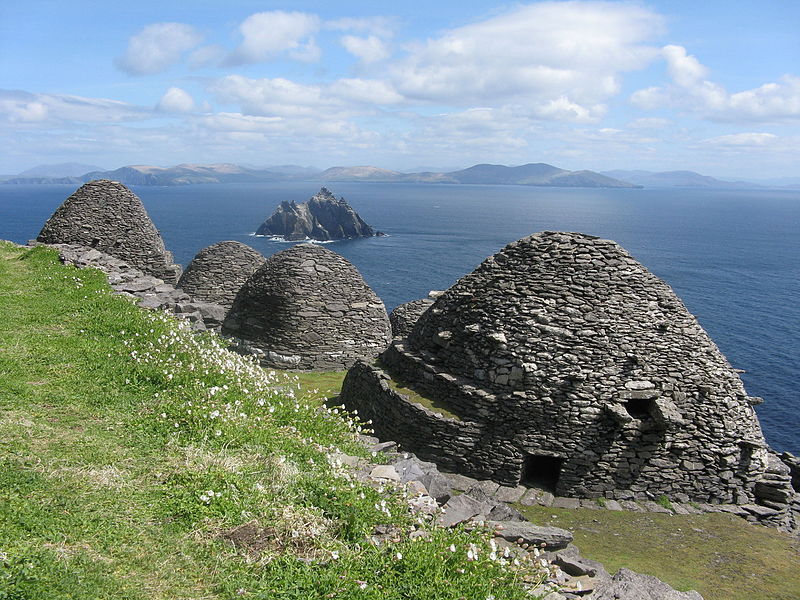
A jagged pinnacle of rock some 12km off the Kerry coast, where monks founded a monastery in the 6th century; a UNESCO World Heritage Site since 1996.
Climb roughly 600 ancient stone steps to a cluster of dry-stone “beehive” huts near the summit, passing seabird colonies on the way up.
Built without mortar, the huts have withstood Atlantic storms for around 1,400 years — and the island found new fame as Luke Skywalker’s hideaway in the Star Wars sequels.
10 – Rock of Cashel
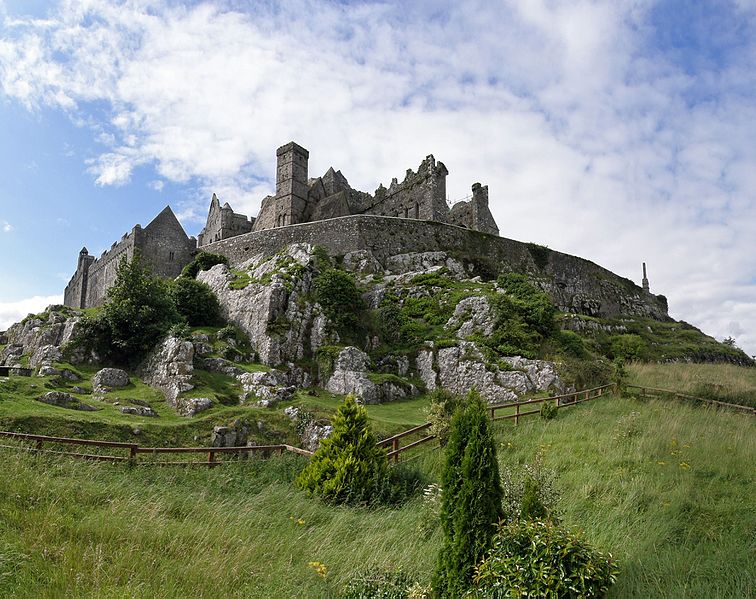
A spectacular cluster of medieval buildings crowning a limestone outcrop above the Tipperary plain, and for centuries the seat of the Kings of Munster.
Explore the round tower, the roofless Gothic cathedral and Cormac’s Chapel — which holds Ireland’s only surviving Romanesque frescoes; High King Brian Boru was crowned here in 978.
Legend says St Patrick baptised King Aengus here and accidentally speared the king’s foot with his crozier — the king, assuming it was part of the ritual, endured it in silence.
11 – The Burren
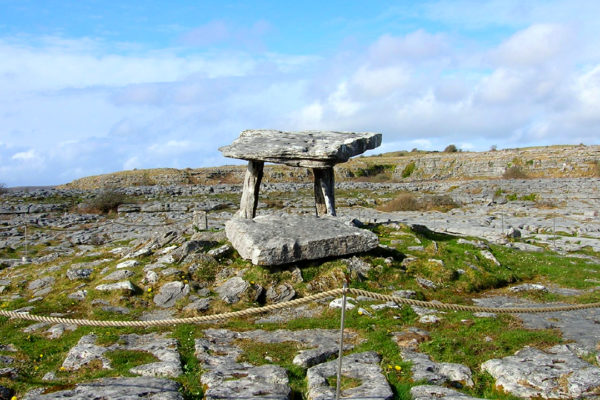
A vast, lunar-looking expanse of cracked limestone pavement in County Clare — its name from the Irish Boireann, “great rock” — shaped by farmers for 6,000 years.
Visit the iconic Poulnabrone dolmen (raised around 3,800 BC), Caherconnell stone fort and Aillwee Cave, amid more than 90 megalithic tombs.
Arctic and Mediterranean wildflowers bloom side by side in its crevices — and fans of Father Ted make a pilgrimage to Glanquin farmhouse, the real “Craggy Island” parochial house.
12 – Fanad Head Lighthouse Donegal
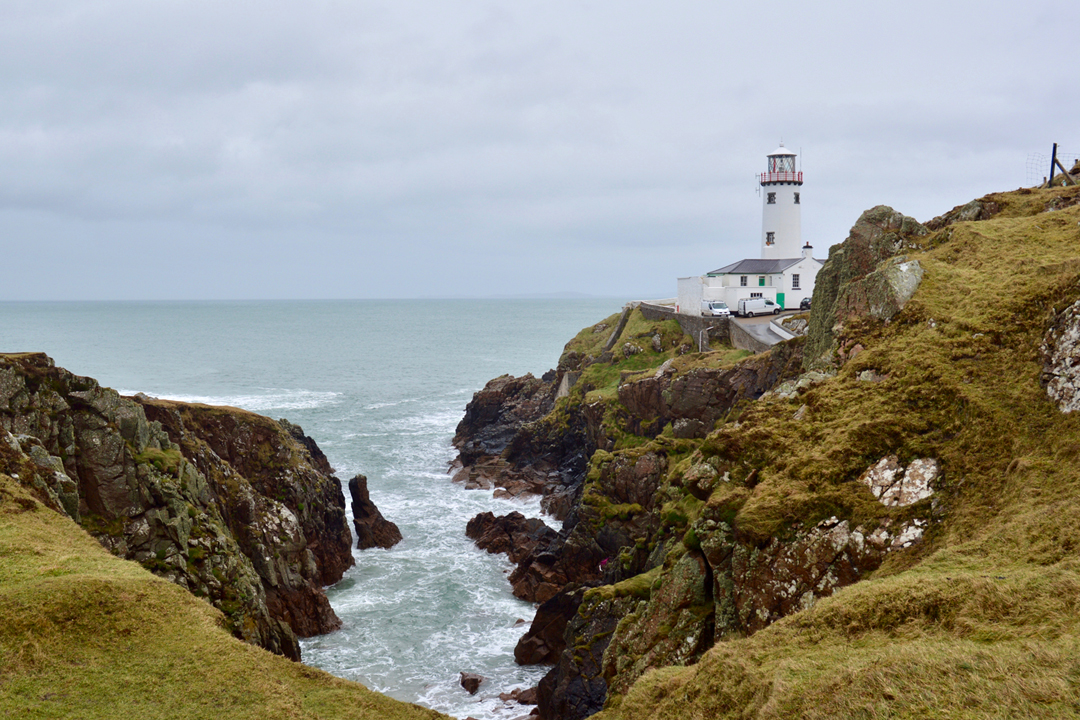
A strikingly pretty lighthouse on a rocky Donegal headland between Lough Swilly and Mulroy Bay, first lit on St Patrick’s Day, 1817.
Climb the tower for sweeping Atlantic views, tour the keepers’ quarters, or stay overnight in the restored cottages.
It was built after the frigate HMS Saldanha wrecked here in 1811 with over 250 lives lost — and, the story goes, the sole survivor was the ship’s parrot, found wearing a collar bearing its name.
13 – West Cork
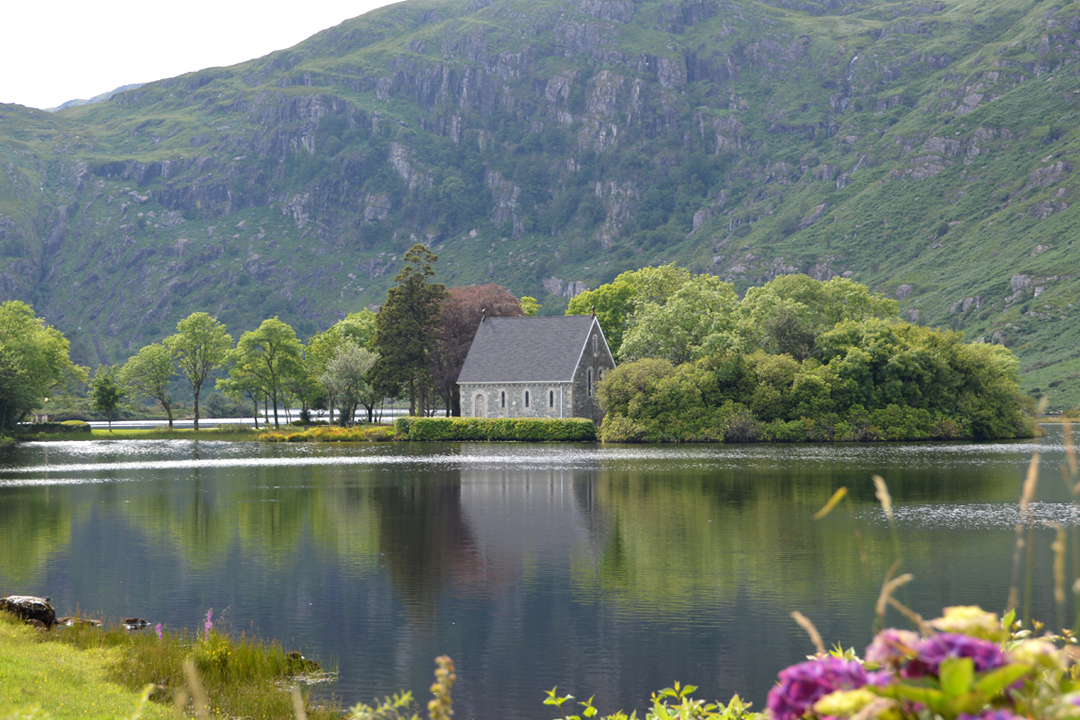
Ireland’s relaxed southwest corner — rugged peninsulas, harbour towns and Gulf Stream-warmed gardens — and long a stronghold of Irish rebels.
Tour Bantry House and its Italian gardens, the island oratory at Gougane Barra, and Mizen Head, Ireland’s wave-battered southwesterly tip.
This is Michael Collins country: the revolutionary was born near Clonakilty and killed at Béal na Bláth, a life dramatised in Neil Jordan’s film Michael Collins.
14 – Glendalough
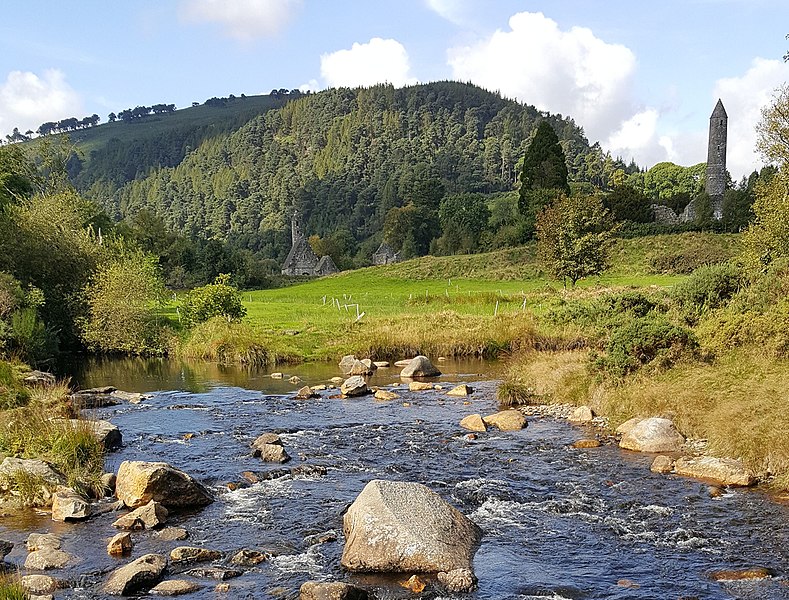
A 6th-century monastic “city” set in a glacial valley of two dark lakes in the Wicklow Mountains — Gleann Dá Loch means “valley of the two lakes.”
Wander the round tower, ruined churches and ancient graveyard, then hike to the Upper Lake and St Kevin’s Bed, a cave in the cliff face.
Founder St Kevin is said to have held his hand out so still that a blackbird nested in it — a legend Nobel laureate Seamus Heaney turned into the poem “St Kevin and the Blackbird.”
15 – Kilkenny
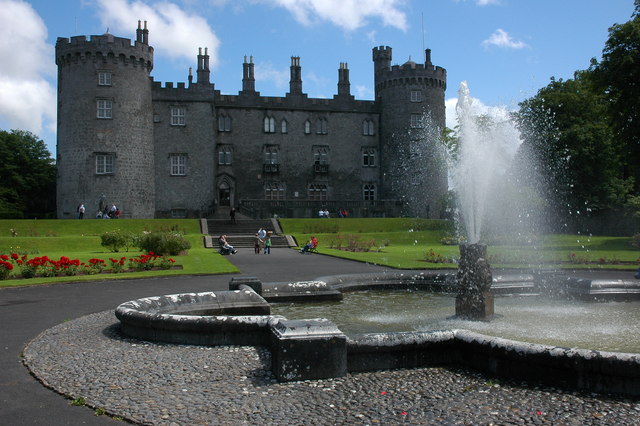
Ireland’s best-preserved medieval city, a warren of narrow lanes on the River Nore that was effectively the country’s capital in the Middle Ages.
Walk the “Medieval Mile” from Kilkenny Castle — seat of the Butler family for 600 years — to St Canice’s Cathedral and its climbable round tower.
The city staged Ireland’s first witch trial in 1324, when moneylender Dame Alice Kyteler fled abroad after being accused of sorcery — her old haunt survives as Kyteler’s Inn.
16 – Aran Islands

Three windswept limestone islands at the mouth of Galway Bay, where Irish is still the first language and traditional island life endures.
On Inis Mór, don’t miss Dún Aonghasa, a prehistoric stone fort over 2,500 years old perched on the edge of a 100m cliff with no barrier.
The islands gave the world the hand-knitted Aran sweater, and their stark beauty drew the 1934 documentary Man of Aran and, more recently, the Oscar-nominated The Banshees of Inisherin.