
Wikimedia Commons / CC-BY-SA-3.0 / GFDL
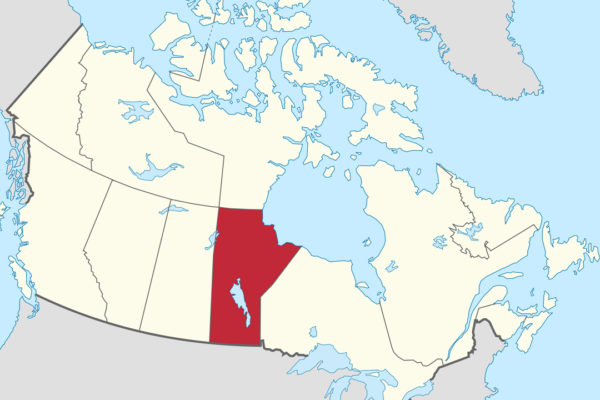
Capital: Winnipeg
Population: 1.5 million+
Language: English/French
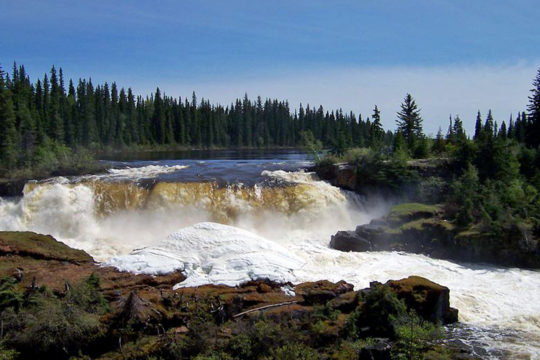
1 – Pisew Falls (above)
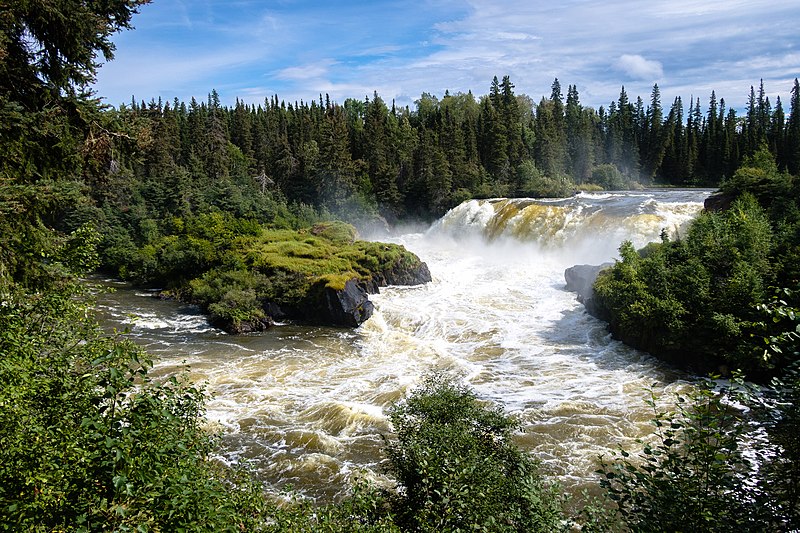
In the boreal forest of northern Manitoba, Pisew Falls drops the Grass River through Canadian Shield rock some two to three billion years old, on the edge of the Thompson Nickel Belt — the same geology that built the mining town of Thompson 74 km to the north.
A short boardwalk leads to the viewing platforms over Pisew Falls, and a steel suspension footbridge across the Grass River just below them starts the long trail downstream to Kwasitchewan Falls, the falls’ slightly taller neighbour.
Thompson, the nearest town to Pisew Falls, has Robert Bateman’s Wolf Sketch painted ten storeys high on the side of a building — billed by the city as the world’s largest lighted mural — and in 2009 its mayor declared it the Wolf Capital of Canada.
2 – Winnipeg
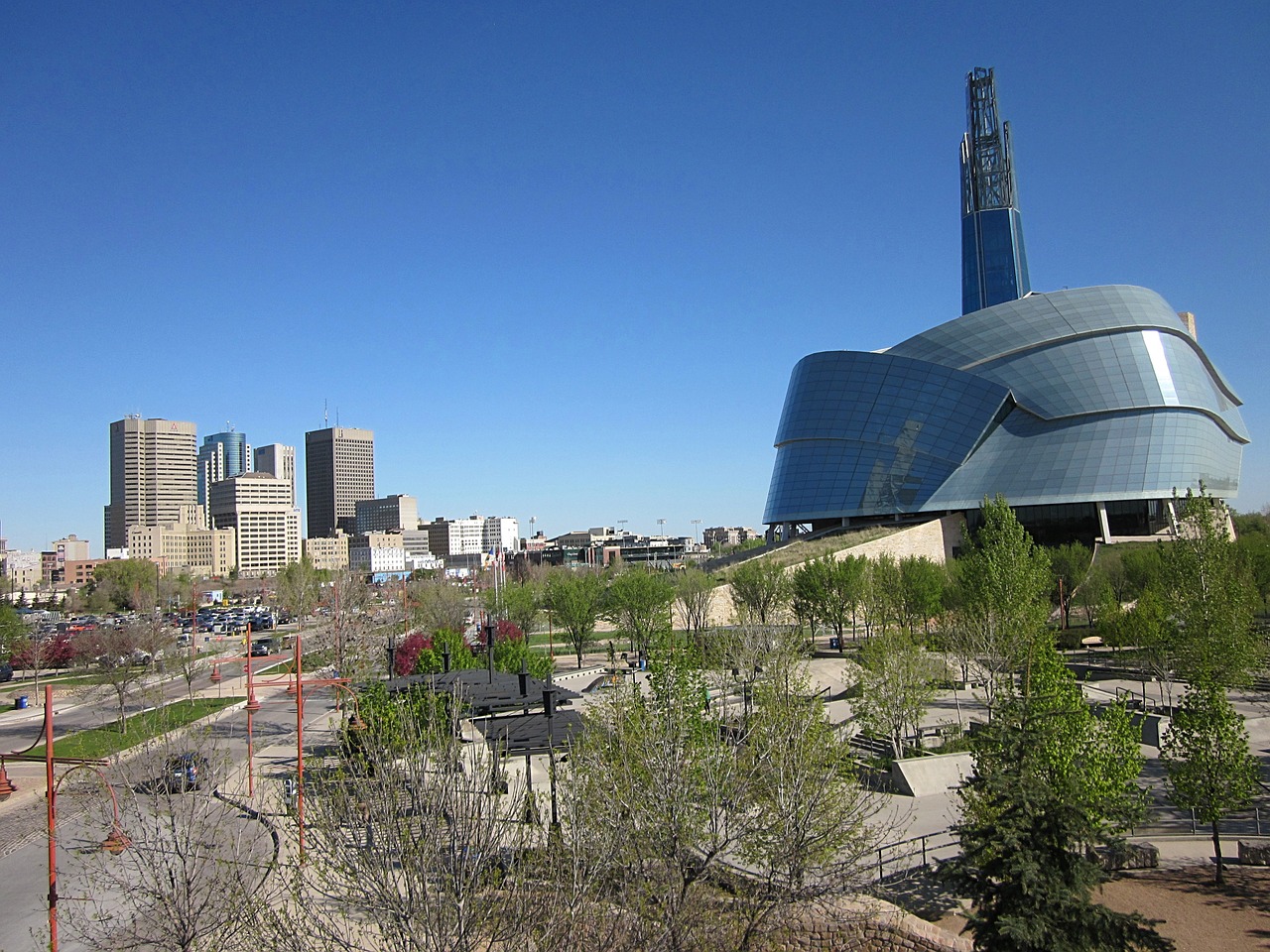
Where the Red and Assiniboine rivers meet, The Forks in Winnipeg has been a meeting place for at least 6,000 years by Parks Canada’s reckoning, and it was here that Louis Riel’s provisional government negotiated Manitoba into Confederation in 1870 — a provincial law now recognises him as Manitoba’s honorary first premier.
Winnipeg’s skyline is led by the Canadian Museum for Human Rights, opened in 2014 as the first national museum built outside the Ottawa region, with its glass Tower of Hope 100 metres up, and around it are The Forks market, the Exchange District’s grain-boom warehouses and Portage and Main, reopened to pedestrians in 2025 after 46 years behind barricades.
In August 1914 a Winnipeg army vet, Lieutenant Harry Colebourn, bought a black bear cub for $20 at a railway stop in Ontario, named her Winnipeg and left her at London Zoo, where a small boy called Christopher Robin Milne borrowed her name for his teddy.
3 – Churchill

On Hudson Bay at the mouth of the Churchill River, with no road from the south, Churchill grew up around Hudson’s Bay Company posts, and its stone Prince of Wales Fort, forty years in the building from 1731, was surrendered to a French fleet in August 1782 by Samuel Hearne and fewer than 40 men without a shot fired.
Churchill is where polar bears gather in October and November to wait for the bay to freeze, where some 55,000 beluga whales fill the river estuaries in summer, and where you arrive by air or on the Hudson Bay Railway — cut off for eighteen months after floods in 2017.
Bears that wander into Churchill are held in a former military warehouse, the “polar bear jail”, in 28 cells with water but no food until the ice forms, and Western Hudson Bay’s bears were estimated at about 618 in 2021, down from around 1,185 in 1987, though survey methods have changed over the years.
4 – Brandon
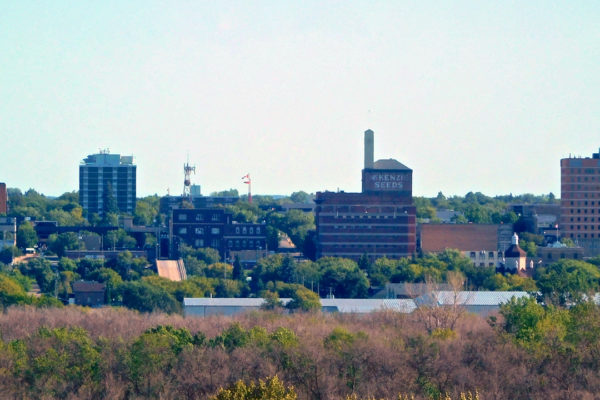
On the Assiniboine River in south-west Manitoba, Brandon, the province’s second city, stands where it does because in 1881 the railway’s chief engineer, Thomas Rosser — a former Confederate general — was asked $50,000 for land across the river, offered half, and built the town on higher ground instead, so the story goes.
Brandon’s Commonwealth Air Training Plan Museum fills a wartime hangar built for No. 12 Service Flying Training School, one of the few such hangars still standing, and the Royal Manitoba Winter Fair has drawn farmers to the city for more than a century.
That hangar was part of the British Commonwealth Air Training Plan, which trained 131,553 aircrew in Canada during the Second World War, and in the 1920s Brandon College educated a young Baptist student named Tommy Douglas, later the father of Canadian medicare.
5 – Riding Mountain National Park
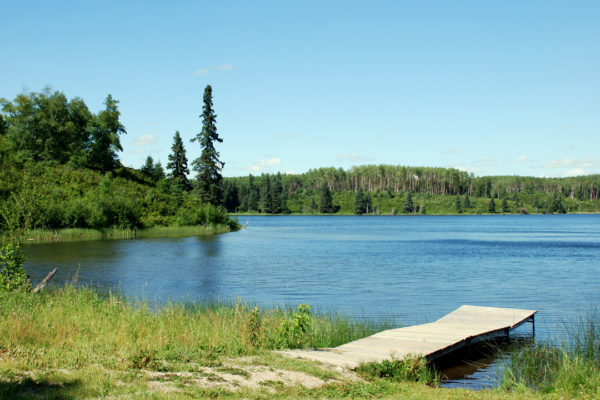
Rising some 450 to 500 metres above the prairie on the Manitoba Escarpment, Riding Mountain National Park was set aside in 1929 and opened in 1933, and its creation pushed the Keeseekoowenin Ojibway off their reserve land at Clear Lake, where their houses were burned in 1936.
Riding Mountain centres on Clear Lake and the resort town of Wasagaming, with plains bison in the Lake Audy enclosure, and moose, wolves and black bears in the forest that covers the escarpment.
Grey Owl, the celebrated “Indigenous” conservationist who was really Archie Belaney from Hastings, spent the summer of 1931 at Riding Mountain with his beavers until drought sent him to Saskatchewan, and in 1943–45 the park held about 440 German prisoners of war at Whitewater Lake in a camp with no fence at all.
6 – Victoria Beach – Lake Winnipeg
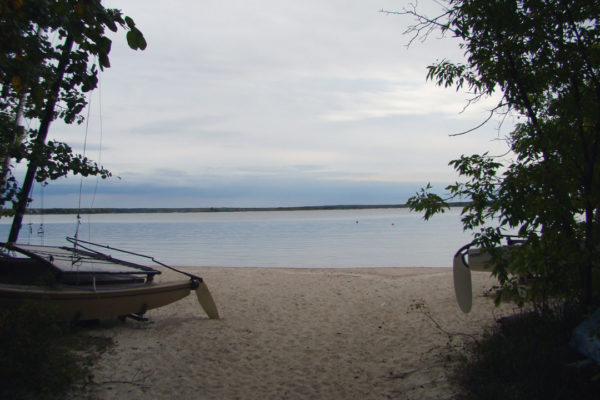
On the south-east shore of Lake Winnipeg — one of the dozen largest lakes on Earth and a remnant of glacial Lake Agassiz — Victoria Beach began as a cottage resort in 1910, was served by train from 1916 to 1962, and is Manitoba’s smallest rural municipality.
From the week before Canada Day until Labour Day, Victoria Beach’s cottage area is closed to private cars, so you leave the car outside and get around by bike, on foot or by local taxi along shaded lanes to the beaches and the village green.
Victoria Beach also has a past it doesn’t advertise: in August 1943 its local newspaper ran an editorial headed “Unwanted People”, urging owners not to sell or rent cottages to Jews — one of several Manitoba beach resorts that kept Jewish families out.
7 – Grand Beach Provincial Park
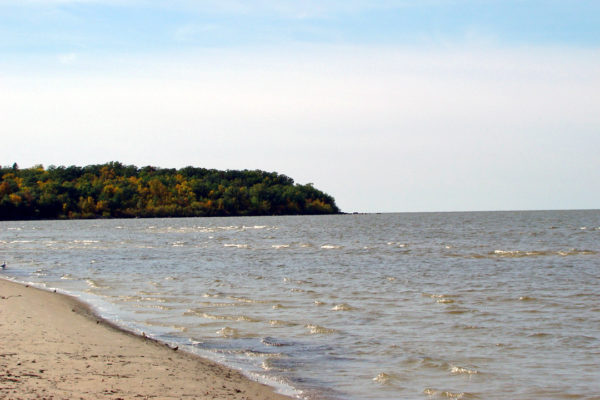
A short drive down the shore from Victoria Beach (entry 6), Grand Beach was opened up by the Canadian Northern Railway in 1916 as a day-trip resort for Winnipeggers, and became a provincial park in 1961, the year the last train ran.
Grand Beach is 3 km of white sand backed by dunes more than 12 metres high and a marshy lagoon where piping plovers still nest, on a lake whose Cree name means “muddy water”.
Winnipeggers came out on the evening trains to dance in Grand Beach’s pavilion, billed as one of the biggest dance halls in Canada, until it burned down on Labour Day 1950 and was never rebuilt — and in 2013 Lake Winnipeg was named the world’s Threatened Lake of the Year because of its algae blooms.