
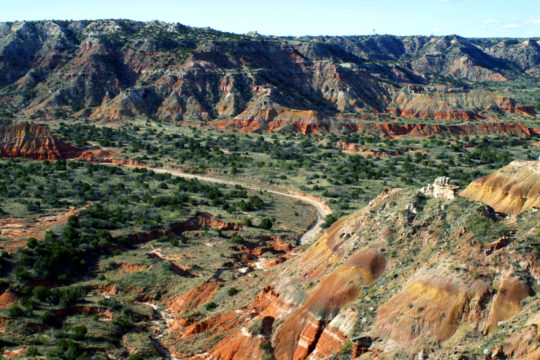
Wikimedia Commons / CC-BY-SA-3.0 / GFDL
Capital: Austin
Population: 31.7 million+
Language: English (no official language); Spanish widely spoken.
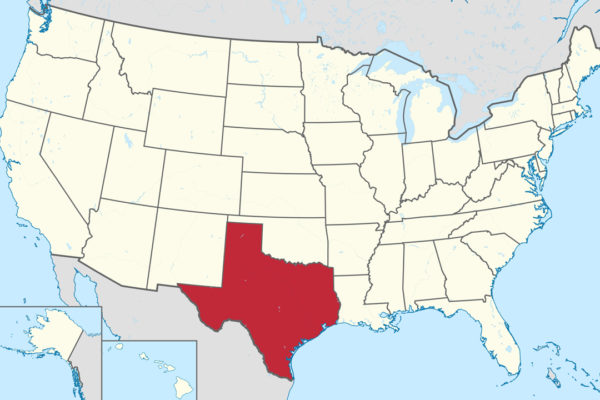
1 – Palo Duro Canyon State Park (also above)
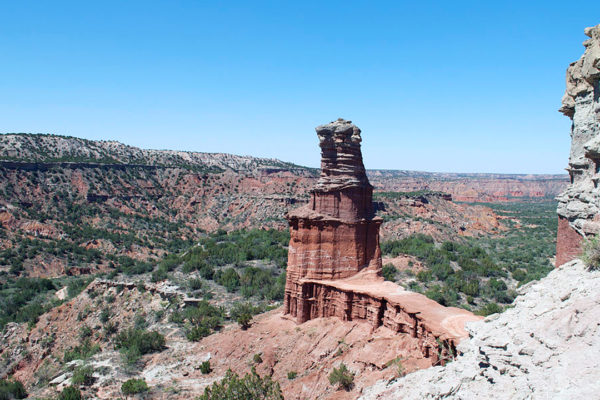
Palo Duro Canyon, in the Texas Panhandle near Amarillo, runs about 120 miles and is often called the second-largest canyon in the US, and on 28 September 1874 Colonel Ranald Mackenzie’s 4th Cavalry attacked the Comanche, Kiowa and Cheyenne camps here, capturing about 1,400 horses and forcing the families back to the reservations.
Palo Duro Canyon State Park, opened in 1934 with its road, lodge and cabins built by the Civilian Conservation Corps, has trails out to the Lighthouse rock formation and the outdoor musical TEXAS, staged in the canyon since 1966, and Georgia O’Keeffe painted the canyon while teaching in nearby Canyon in 1916–18.
The JA Ranch that took over Palo Duro Canyon in 1877 was bankrolled by Irish landlord John George Adair, who had evicted 244 people from his Derryveagh estate in Co. Donegal in 1861 before building Glenveagh Castle, and the ranch was named after his initials.
2 – Austin
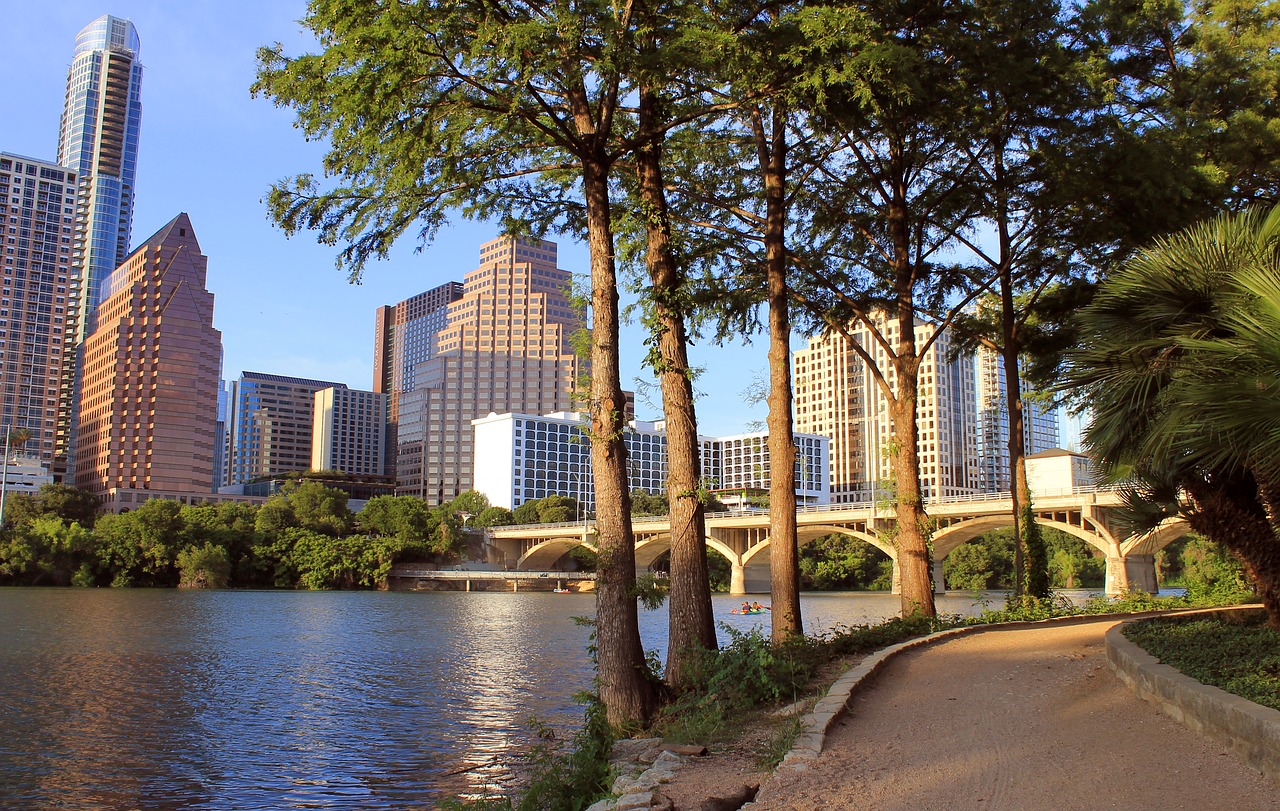
Austin was chosen as the Republic of Texas’s capital in 1839 on the site of the village of Waterloo and named after Stephen F. Austin, the “Father of Texas”, and in the 1842 Archive War innkeeper Angelina Eberly fired a cannon to stop Sam Houston’s men carting off the government records.
Austin’s sights include the 1888 Texas Capitol, built of red granite and paid for with 3 million acres of Panhandle land that became the XIT Ranch, the home of Austin City Limits, America’s longest-running music TV series, and the Congress Avenue Bridge, home to up to 1.5 million Mexican free-tailed bats, the world’s largest urban bat colony.
The Texas Capitol is famously taller than the US Capitol, but only by about 15 ft and measured from a different baseline, and its granite was quarried by convicts and cut by stonemasons brought from Scotland in breach of federal law.
3 – The Alamo

The Alamo began in 1718 as Mission San Antonio de Valero, and from 23 February to 6 March 1836 roughly 180 to 260 defenders, including Jim Bowie, William Travis and Davy Crockett, held it against Santa Anna’s army until nearly all were killed, inspiring the cry “Remember the Alamo!” at San Jacinto.
The Alamo’s church and Long Barrack are part of the San Antonio Missions UNESCO World Heritage Site, and the site was saved in 1905 by Clara Driscoll and Adina De Zavala of the Daughters of the Republic of Texas.
The Alamo’s famous humped façade was added by the US Army around 1850, Travis’s “line in the sand” first appeared in print in 1873, and among the defenders were about a dozen Irishmen, including master of ordnance Robert Evans, killed with a torch in his hand as he tried to blow up the powder magazine.
4 – San Antonio

San Antonio grew from a Spanish mission and presidio founded in 1718, and in 1731 settlers from the Canary Islands set up San Fernando de Béxar, the first regularly organised civil government in Texas.
San Antonio’s four other missions, Concepción, San José, San Juan and Espada, form a national historical park and, with the Alamo, Texas’s only UNESCO World Heritage Site, and the River Walk, saved after a deadly 1921 flood by Robert Hugman’s 1929 plan, was built by the WPA from 1939.
San Antonio’s Mission Concepción, dedicated in 1755, has never lost its roof and keeps original frescoes, the city’s “Chili Queens” sold chili in its plazas from the 1870s, and every St Patrick’s Day since the late 1960s the San Antonio River has been dyed green and renamed the “River Shannon”.
5 – McKinney Falls State Park
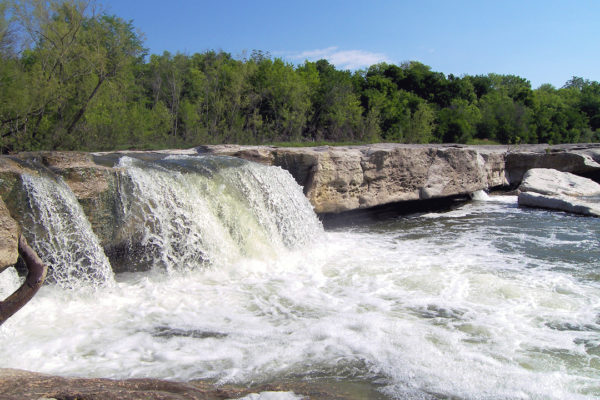
McKinney Falls State Park, on Onion Creek in southeast Austin, is named after Thomas F. McKinney, one of Stephen F. Austin’s “Old Three Hundred” colonists, whose stone homestead and gristmill, built by enslaved people, survive as ruins.
McKinney Falls’ Upper and Lower Falls spill over limestone ledges, the Smith Rock Shelter was used by Native Americans from the Late Archaic period, and Old Baldy, a bald cypress at least 500 years old, stands 103 ft tall.
Thomas McKinney’s firm lent about $99,000 to finance the Texas Revolution and was never fully repaid, and McKinney Falls lies on El Camino Real de los Tejas, where Spanish expeditions camped along Onion Creek in the early 1700s.
6 – Houston
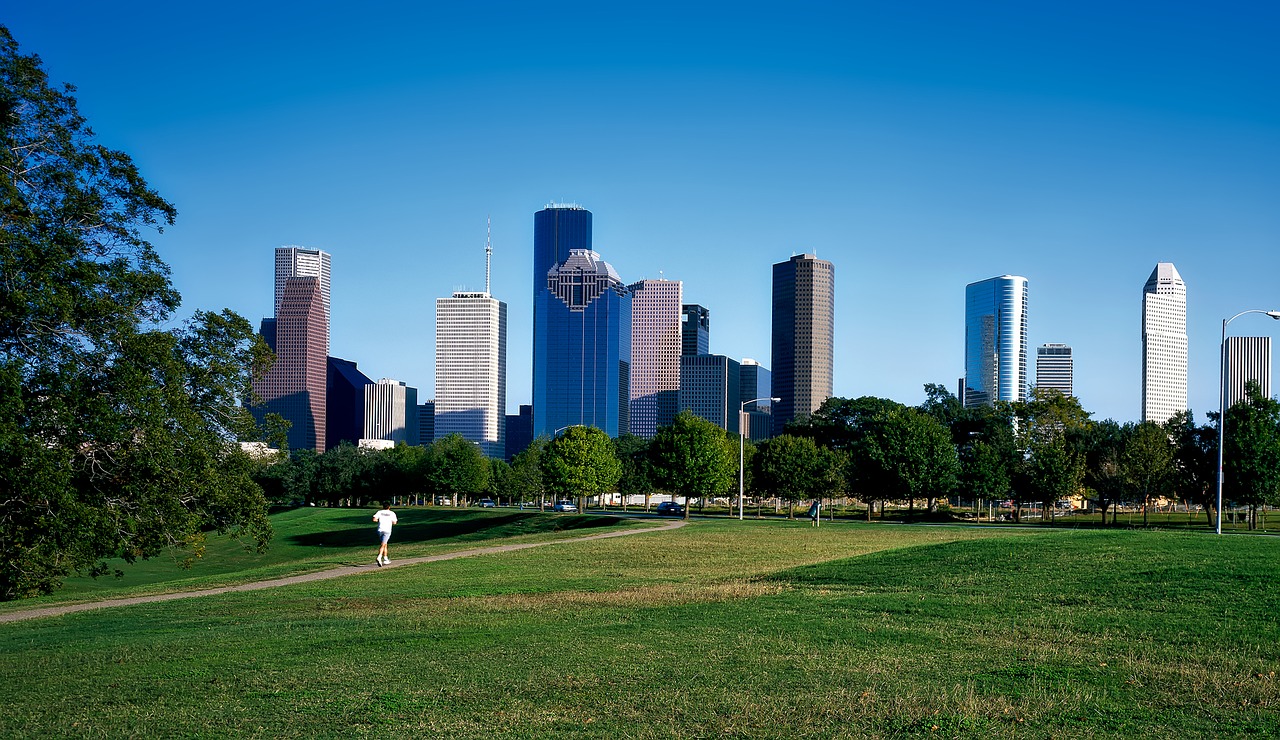
Houston was founded in 1836 by the Allen brothers on Buffalo Bayou, named after Sam Houston and briefly the capital of the Republic of Texas, and the Houston Ship Channel, opened in 1914, turned it into a great port.
Houston’s sights include the Rothko Chapel, completed in 1971 with 14 Rothko paintings, the Astrodome, opened in 1965 as the world’s first fully enclosed, air-conditioned domed multipurpose stadium, and Emancipation Park, bought by formerly enslaved people in 1872 for Juneteenth celebrations.
The Astrodome’s grass died under its painted roof, so the artificial turf installed in 1966 took the name AstroTurf, Houston is the largest US city with no formal zoning, and Dowling Street, named after Confederate officer Dick Dowling from near Tuam, Co. Galway, was renamed Emancipation Avenue on Juneteenth 2017.
7 – Dallas

Dallas grew from the cabin John Neely Bryan built on the Trinity River in 1841 and boomed after two railroads crossed there in 1873, though nobody knows for sure who the city is named after.
Dallas’s sights include Fair Park, rebuilt in Art Deco style for the 1936 Texas Centennial Exposition and a National Historic Landmark, and the Arts District, billed as the largest contiguous urban arts district in the US.
Dallas gave the world the integrated circuit, demonstrated by Jack Kilby at Texas Instruments in 1958 and later rewarded with a Nobel Prize, and the frozen margarita machine, which Mariano Martinez adapted from a soft-serve ice-cream machine in 1971 and which is held by the Smithsonian.
8 – Space Center Houston
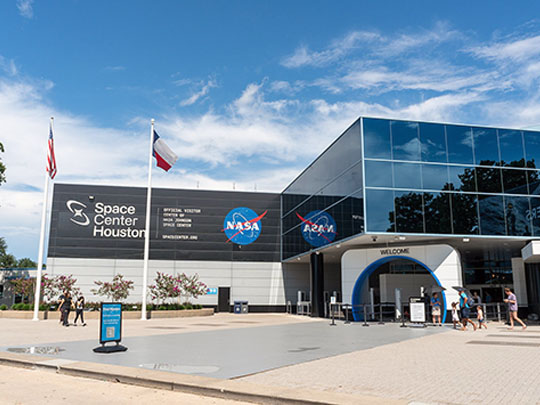
Space Center Houston is the visitor centre of NASA’s Johnson Space Center, home of Mission Control, which has run America’s crewed spaceflights since Gemini 4 in 1965.
Space Center Houston’s tram tours visit the restored Apollo Mission Control room, a National Historic Landmark, and the Saturn V in Rocket Park, one of three on display and the only one made entirely of flight-ready hardware, while Independence Plaza puts a shuttle replica on top of the Boeing 747 that carried Enterprise.
“Houston” wasn’t the first word spoken from the Moon, as Buzz Aldrin’s “Contact light” came about 20 seconds before Neil Armstrong’s “Houston, Tranquility Base here”, and Apollo 13’s crew actually said “Houston, we’ve had a problem”.
9 – Dealey Plaza – Dallas
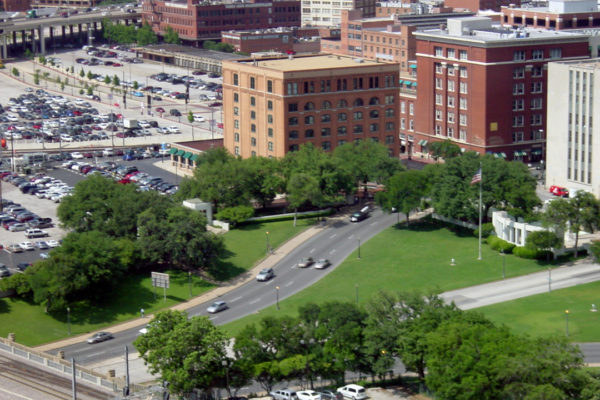
Dealey Plaza, the WPA-built “Front Door of Dallas” completed around 1940 and named after Dallas Morning News publisher George Bannerman Dealey, is where President John F. Kennedy was shot dead on 22 November 1963.
Dealey Plaza’s former Texas School Book Depository houses the Sixth Floor Museum, opened in 1989, overlooking Elm Street and the grassy knoll, and the plaza became a National Historic Landmark District on the 30th anniversary of the assassination.
The white X on Elm Street marking where Kennedy was hit isn’t the city’s work, as officials have never painted it and it keeps reappearing, and in the car directly behind the president rode his aide Dave Powers, son of parents from Co. Cork, who had run out of film before the motorcade reached Dealey Plaza.
10 – Natural Bridge Caverns
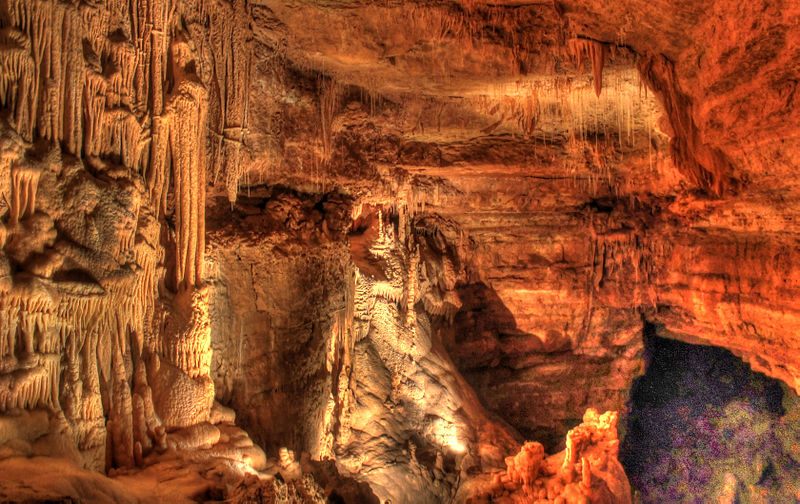
Natural Bridge Caverns, between San Antonio and New Braunfels in Comal County, were discovered on 27 March 1960 by four St Mary’s University students who squeezed through a tight passage on the Wuest family ranch.
Natural Bridge Caverns, opened to visitors in 1964 and a National Natural Landmark since 1971, are billed as Texas’s largest commercial cave, with formations such as the Castle of the White Giants, and are still run by the Wuest family.
Natural Bridge Caverns take their name from the 60-ft limestone slab at the entrance, the remnant of a collapsed chamber roof, and the cave has yielded the jawbones of an extinct bear and spear points from around 5000 BC.
11 – San Jacinto Monument
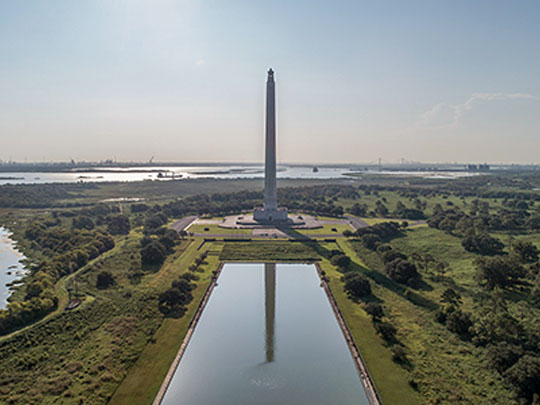
San Jacinto Monument rises over the battleground near La Porte, east of Houston, where on 21 April 1836 Sam Houston’s roughly 900 Texians routed Santa Anna’s army of 1,200 or more in about 18 minutes, winning Texas its independence, and Santa Anna was caught the next day dressed as a common soldier.
San Jacinto Monument, completed in 1939, stands 567 ft, about 12 ft taller than the Washington Monument, and is topped by a 34-ft star, billed as the world’s tallest monumental column, with the San Jacinto Museum of History in its base.
The legend that the “Yellow Rose of Texas”, Emily West, kept Santa Anna busy in his tent rests on a traveller’s 1842 notes and was only tied to the song in 1961, and about a hundred of Houston’s men were Irish, including 17-year-old Thomas O’Connor from Co. Wexford, one of the youngest at San Jacinto.
12 – Galveston
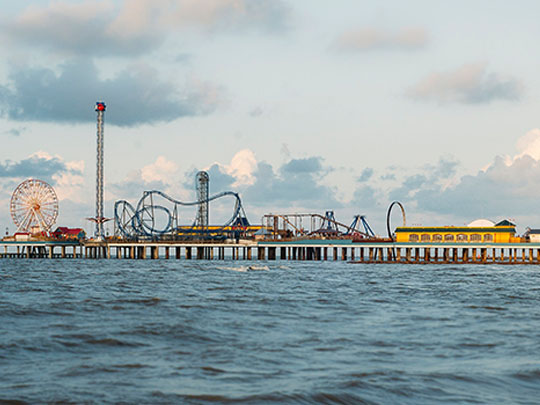
Galveston, a barrier island on the Gulf coast, was the pirate Jean Lafitte’s base around 1817–21 and grew into a port whose Strand was called the “Wall Street of the Southwest”, until on 8 September 1900 the deadliest natural disaster in US history, a hurricane, killed an estimated 6,000 to 12,000 people.
Galveston answered with a 17-ft seawall and by raising the island by up to 17 ft, jacking up more than 2,000 buildings, among them the 3,000-ton St Patrick’s Church, designed, like the Bishop’s Palace, by architect Nicholas J. Clayton from Cloyne, Co. Cork, and the 1877 tall ship Elissa is preserved in the harbour.
Juneteenth began in Galveston, where General Order No. 3, issued in Gordon Granger’s name on 19 June 1865, declared “all slaves are free”, but it wasn’t read from the Ashton Villa balcony as often claimed, and many enslaved Texans already knew of emancipation, which simply hadn’t been enforced.
13 – Big Bend National Park
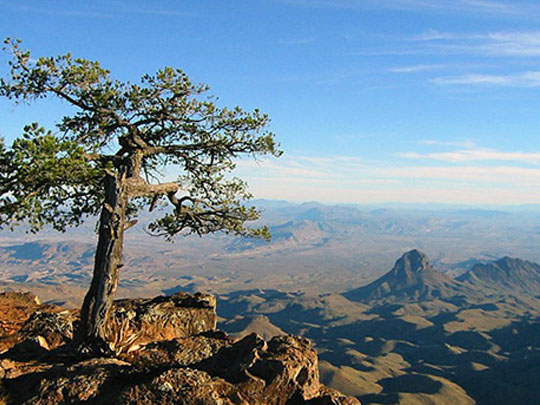
Big Bend National Park, established in 1944 in the great bend of the Rio Grande in West Texas, covers more than 800,000 acres and 118 miles of border with Mexico.
Big Bend National Park takes in the Chisos Mountains, said to be the only US mountain range entirely inside a national park, and Santa Elena Canyon, and it’s an International Dark Sky Park with some of the darkest skies in the Lower 48.
In 1971 a student found the bones of Quetzalcoatlus at Big Bend, named after the Aztec feathered serpent and a contender for the largest flying animal ever, though it was a pterosaur, not a dinosaur, and in 1916 Mexican raiders struck Glenn Springs, killing three US soldiers and a boy.
14 – Goliad
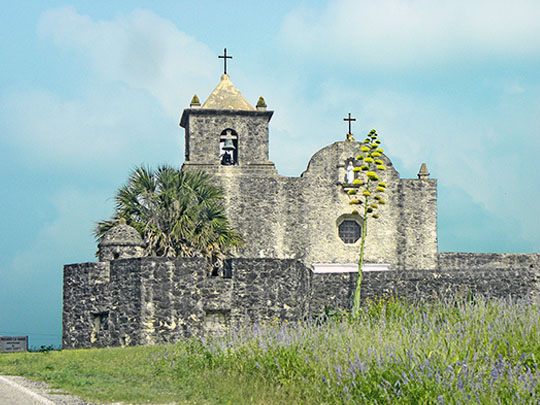
Goliad, in South Texas, grew around Presidio La Bahía, on this site since 1749, where a declaration of independence was signed on 20 December 1835 and where, on Palm Sunday, 27 March 1836, around 350 to 400 Texian prisoners under James Fannin were executed on Santa Anna’s orders.
Goliad’s restored Presidio La Bahía is billed as the finest Spanish frontier fort in the world, Mission Espíritu Santo was rebuilt by the Civilian Conservation Corps in the 1930s, and Ignacio Zaragoza, the Mexican general who won the battle remembered on Cinco de Mayo, was born here in 1829.
Fannin asked to be shot in the chest, given a Christian burial and have his belongings sent home, but was shot in the face and his body burned, while Francita Alavez, the “Angel of Goliad”, helped save about 20 men, and “Remember Goliad!” was shouted at San Jacinto alongside “Remember the Alamo!”.
15 – Guadalupe Mountains National Park
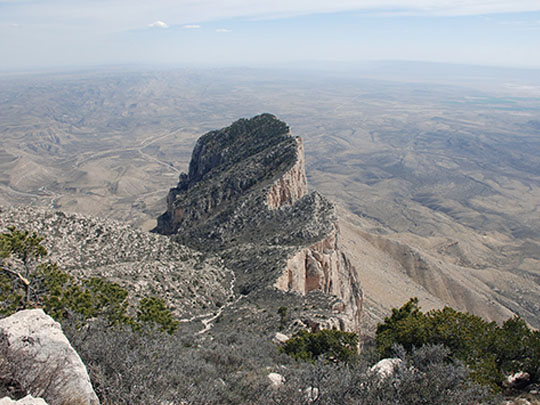
Guadalupe Mountains National Park, on the New Mexico border in far West Texas and established in 1972, contains Guadalupe Peak, at 8,751 ft the highest point in Texas, and the ruins of the 1858 Pinery stage station on the Butterfield Overland Mail route.
Guadalupe Mountains National Park’s sights include El Capitan, Frijole Ranch, the area’s first permanent ranch house, built in 1876, and McKittrick Canyon, at the heart of the land donated by oil geologist Wallace Pratt that formed the core of the park.
The Guadalupe Mountains are one of the world’s best-preserved fossil reefs, the Capitan Reef, built in a tropical sea in the Permian more than 260 million years ago, and the steel pyramid on Guadalupe Peak was placed by American Airlines in 1958 to mark the Butterfield Overland Mail’s centenary.
16 – San Patricio and Refugio
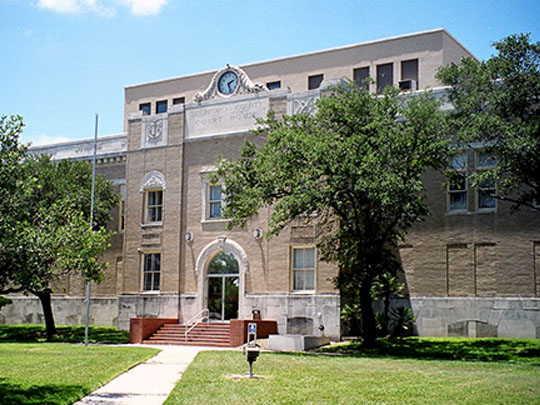

San Patricio and Refugio, in South Texas near the Gulf coast, were settled in the 1830s by Irish Catholic colonists under Mexican land grants, San Patricio de Hibernia by empresarios John McMullen and James McGloin of Castlegal, Co. Sligo, and Refugio by James Power of Ballygarrett, Co. Wexford, and James Hewetson of Thomastown, Co. Kilkenny.
Refugio grew around Mission Nuestra Señora del Refugio, founded in 1793 as the last Spanish mission in Texas, while San Patricio keeps the Old Cemetery on the Hill, where McGloin is buried, and his 1855 house survives nearby.
The Irish colonists paid heavily, as cholera killed many of the Refugio settlers on their way in 1834 and both colonies were caught up in the battles of 1836, though James Power signed the Texas Declaration of Independence, and the idea that Mexico planted the Irish as a loyal Catholic buffer is doubted by Texas historians, who call the colonies’ placement coincidence.
17 – Fort Worth Stockyards
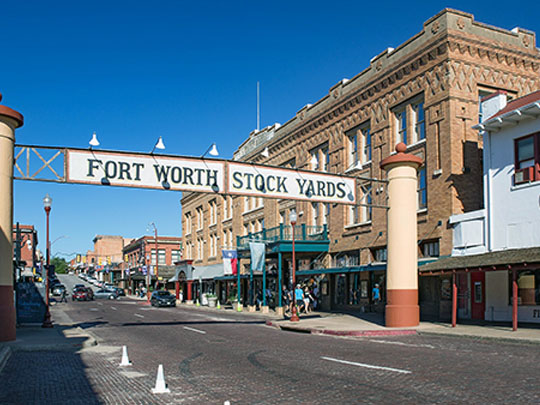
Fort Worth Stockyards grew out of the 1849 army post named after General William Jenkins Worth, who died weeks before it was founded and never saw it, into “Cowtown”, the last supply stop on the Chisholm Trail and a meatpacking hub after Armour and Swift arrived in 1902.
Fort Worth Stockyards’ historic district, on the National Register since 1976, has the 1908 Cowtown Coliseum, home in 1918 of what’s billed as the world’s original indoor rodeo, Billy Bob’s Texas, billed as the world’s largest honky-tonk, and the Fort Worth Herd’s twice-daily cattle drive.
The Chisholm Trail is named after Jesse Chisholm, a part-Cherokee trader whose wagon road it followed, but he never drove cattle on it and died in 1868, before the big drives north, and the Fort Worth Stockyards peaked in 1944, when more than 5 million animals came through.
18 – Fredericksburg

Fredericksburg, in the Texas Hill Country, was founded in 1846 by German settlers led by John O. Meusebach and named after Prince Frederick of Prussia, and in 1847 Meusebach struck a treaty with Penateka Comanche chiefs that is said never to have been broken.
Fredericksburg’s sights include the Vereins Kirche, a 1930s replica of the settlers’ octagonal church, weekend “Sunday Houses” built by farm families, and the National Museum of the Pacific War around the steamboat-fronted hotel built by the grandfather of Fredericksburg-born Admiral Chester Nimitz, with Enchanted Rock’s pink granite dome to the north.
The story behind Fredericksburg’s Easter Fires, that a mother told her children the Comanche signal fires on the hills were the Easter Bunny boiling eggs, doesn’t fit the dates, as the treaty talks ended about a month before Easter, and the custom more likely comes from Germany’s Osterfeuer.