
Credit: WanderPast
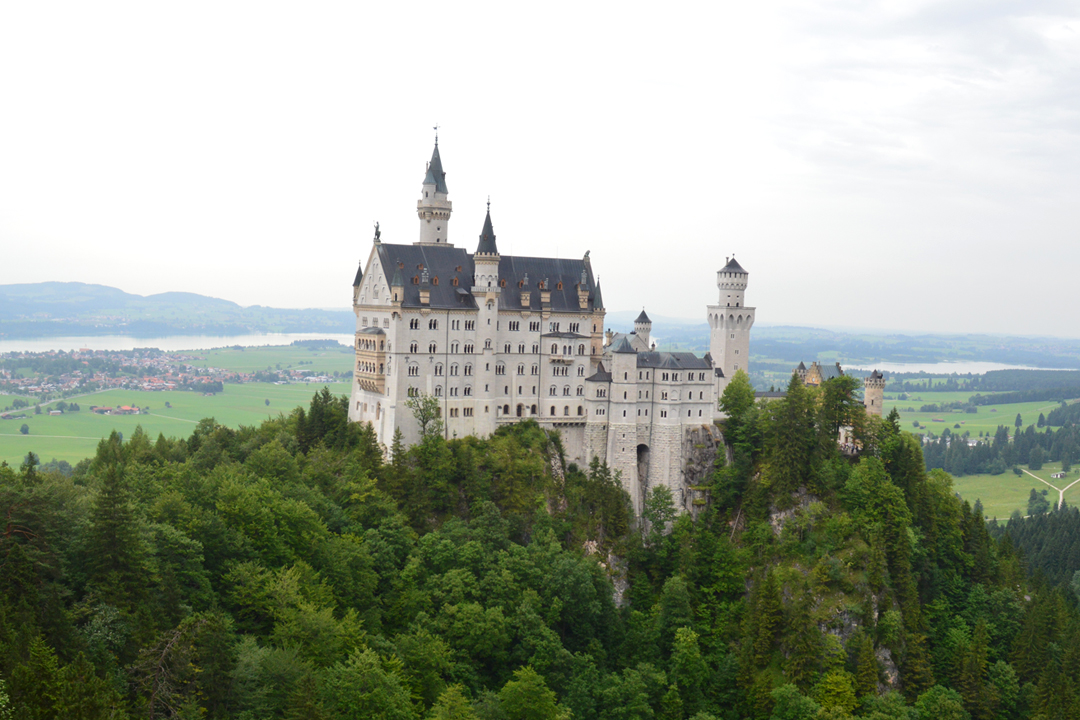
Capital: Berlin
Population: 83 million+
Language: German
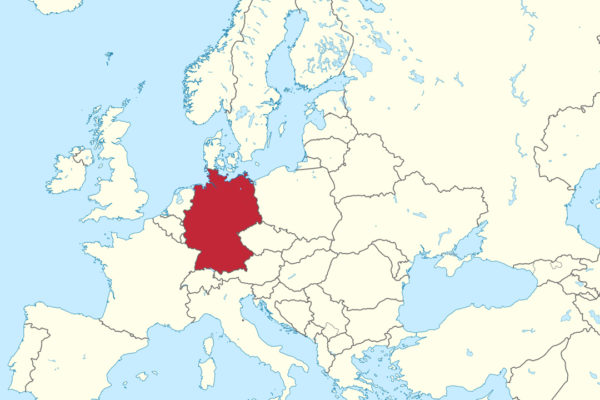
1 – Neuschwanstein Castle, Schwangau (also above)
Neuschwanstein Castle rises above the Pöllat gorge at Schwangau, near Füssen, begun in 1869 for King Ludwig II of Bavaria as a fantasy homage to Wagner’s operas, and only about 15 of its 200-plus planned rooms were ever finished.
At Neuschwanstein, tour the Singers’ Hall, the throne hall and the artificial grotto, then walk out to the Marienbrücke for the classic view of the castle above the gorge.
Neuschwanstein opened to paying visitors just weeks after Ludwig’s mysterious death in 1886, became a key inspiration for Disneyland’s Sleeping Beauty Castle, and in World War II held art the Nazis had looted from France, recovered by the Monuments Men in 1945.
2 – Berlin


Berlin, on the Spree, became the capital of a united Germany in 1871 and the seat of Nazi power, and the Berlin Wall split it from 1961 until it was opened on 9 November 1989, with at least 140 people killed at the Wall.
In Berlin, see the Reichstag, the Memorial to the Murdered Jews of Europe with its 2,711 concrete stelae, the Topography of Terror on the site of the Gestapo and SS headquarters, and the surviving stretches of the Wall.
Berlin has an Irish chapter: Roger Casement arrived in 1914 to seek German help for Irish independence and tried to raise an Irish Brigade from prisoners of war, while Irish descendants John F. Kennedy gave his “Ich bin ein Berliner” to a crowd of hundreds of thousands in 1963, and Ronald Reagan challenged Mikhail Gorbachev to “Tear down this wall!” in June 1987.
3 – Black Forest
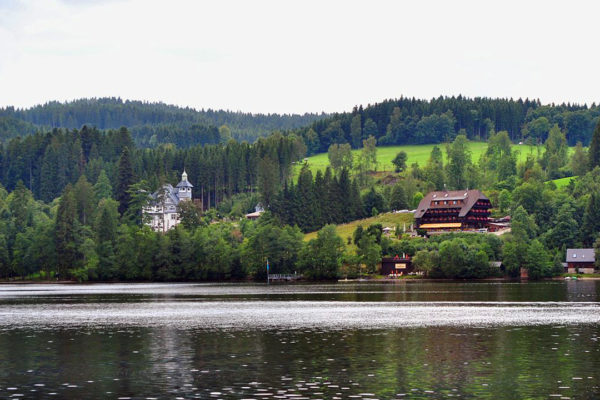
The Black Forest is a range of wooded uplands in south-west Germany, about 160 km long and up to 50 km wide, topped by the Feldberg at 1,493 metres.
In the Black Forest, hike the Feldberg, visit villages such as Gutach, where women wear the Bollenhut hat with its red pompoms, and see the clock museum at Furtwangen.
Nobody knows who invented the Black Forest cuckoo clock, though the classic railway-house design came from an 1850 competition at Furtwangen, and Black Forest cake, made with kirsch, was claimed by a confectioner outside the region in 1915.
4 – Berchtesgaden
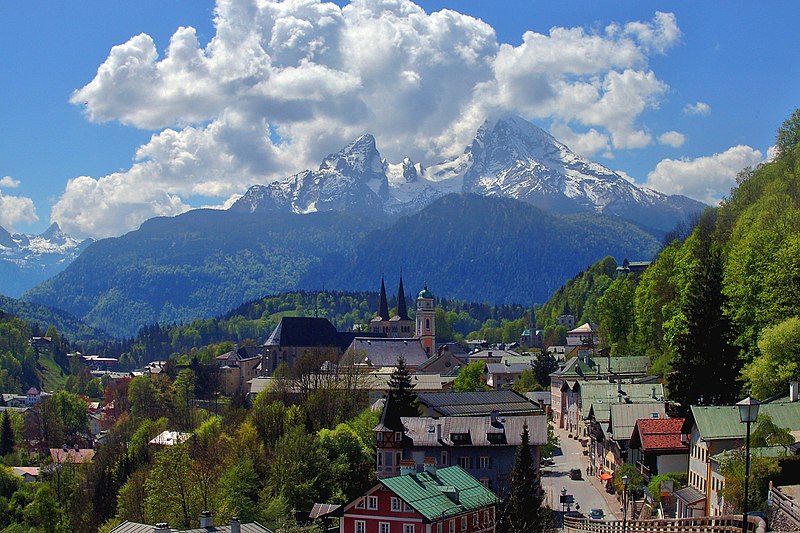

Berchtesgaden is an Alpine town on the Austrian border at the heart of Berchtesgaden National Park, and on the Obersalzberg above it Hitler kept his mountain home, the Berghof.
In Berchtesgaden, ride the bus, tunnel and brass-lined lift up to the Kehlsteinhaus, the Eagle’s Nest, at 1,834 metres, and visit the Documentation Obersalzberg, which tells the site’s Nazi history.
Berchtesgaden’s Eagle’s Nest is often described as a 50th-birthday present for Hitler, though he visited only about 14 times, and an RAF raid in April 1945 wrecked the Obersalzberg while leaving the Eagle’s Nest standing.
5 – Rügen

Rügen is Germany’s largest island, in the Baltic, and the ancient beech forests of its Jasmund National Park are part of a UNESCO World Heritage Site.
On Rügen, walk the clifftop paths of Jasmund to the Königsstuhl, a chalk cliff 118 metres high, and visit the documentation centre at Prora.
Rügen’s cliffs inspired Caspar David Friedrich’s painting Chalk Cliffs on Rügen, and at Prora the Nazis began a holiday camp meant to stretch 4.5 km and hold 20,000 people, which never took a single holidaymaker and later became East German army barracks.
6 – Munich

Munich is the Bavarian capital on the Isar, and Hitler named it the Nazi party’s “Capital of the Movement” after his failed Beer Hall Putsch there in 1923, which landed him in Landsberg prison, where he dictated Mein Kampf.
In Munich, see the Marienplatz, the Frauenkirche, the Hofbräuhaus and the English Garden, then visit the Dachau Concentration Camp Memorial about 16 km away, where the USHMM records more than 200,000 prisoners and at least 40,000 deaths.
Munich’s Oktoberfest began with a royal wedding in 1810, the Munich Agreement was signed in Hitler’s office building there in 1938, and the White Rose students, including Hans and Sophie Scholl, were executed in the city in 1943 for resisting the regime.
7 – Rothenburg
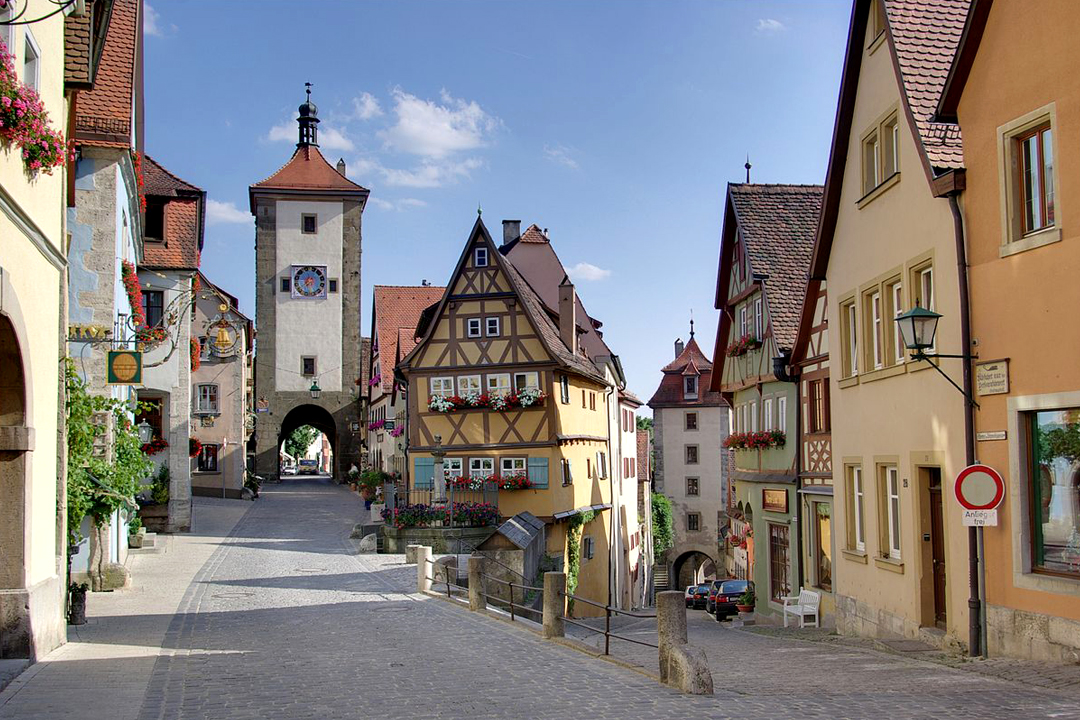
Rothenburg ob der Tauber sits high above the Tauber valley in Franconia, a Free Imperial City from 1274 to 1803 and ringed by its complete medieval walls.
In Rothenburg, walk the covered wall walk, photograph the Plönlein street corner, and visit the Medieval Crime Museum.
Legend says Rothenburg’s mayor saved the town in 1631 by downing more than three litres of wine in one go, the town was spared artillery fire in 1945 after US Assistant Secretary of War John McCloy intervened, and its streets inspired the village in Disney’s Pinocchio.
8 – Königssee
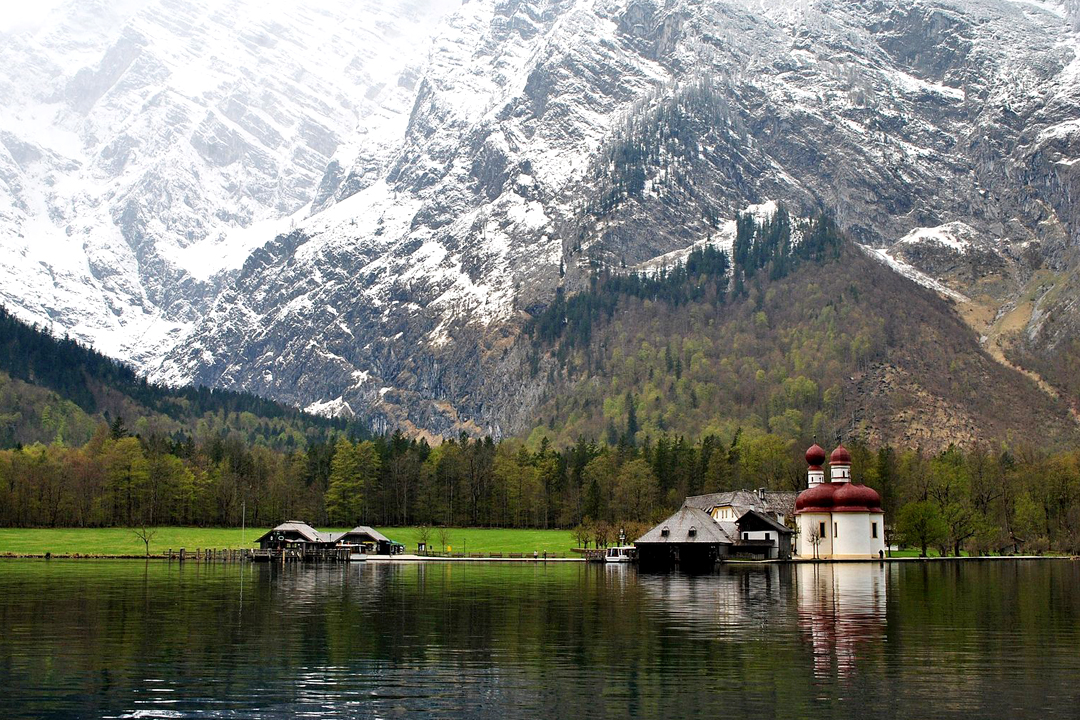
Königssee is a narrow Alpine lake in Berchtesgaden National Park, about 8 km long and up to 190 metres deep, hemmed in by steep mountain walls.
On Königssee, ride the quiet electric boats, which have run on the lake for more than a century, to the red-onion-domed pilgrimage church of St Bartholomä.
On the Königssee boat trip, the boatman stops to play a tune on a trumpet or flugelhorn so passengers can hear it echo back off the cliffs.
9 – Colditz
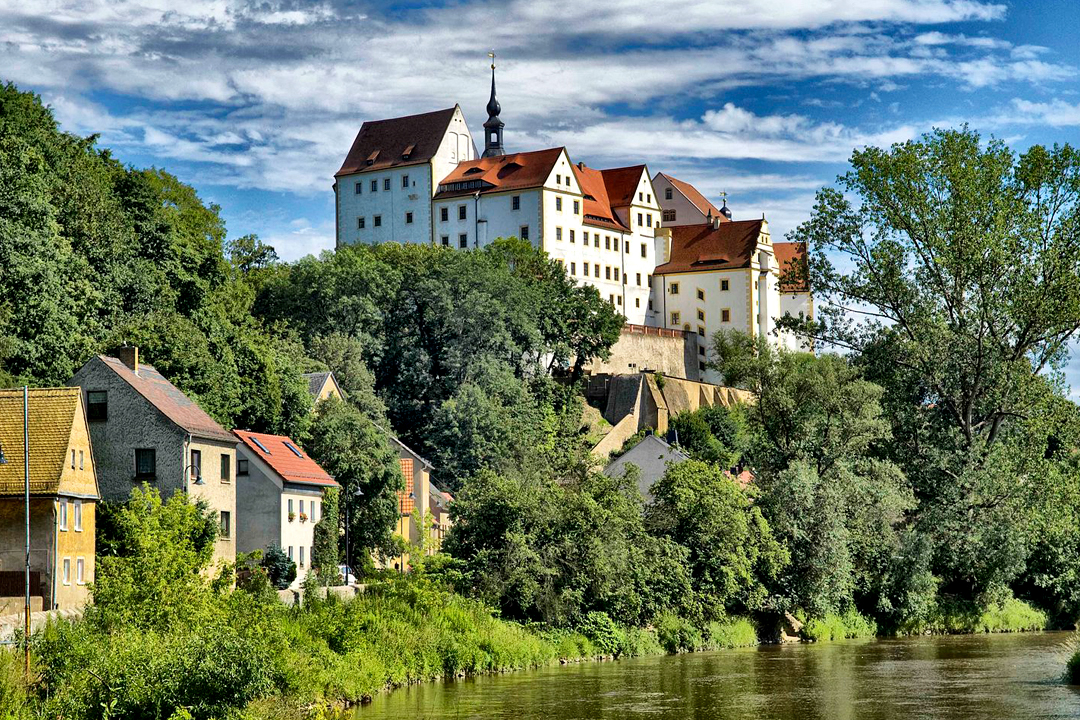
Colditz is a small Saxon town on the Mulde river, dominated by a Renaissance castle that the Nazis used as an early camp for their political opponents in 1933–34.
In Colditz, tour the castle and its escape museum, following the routes Allied officers took in their attempts to break out.
As the prisoner-of-war camp Oflag IV-C, Colditz Castle saw around 30 Allied officers escape, starting with Airey Neave, the first British officer to get out, and prisoners built a glider from bed slats in the attic that was never flown during the war.
10 – Hamburg
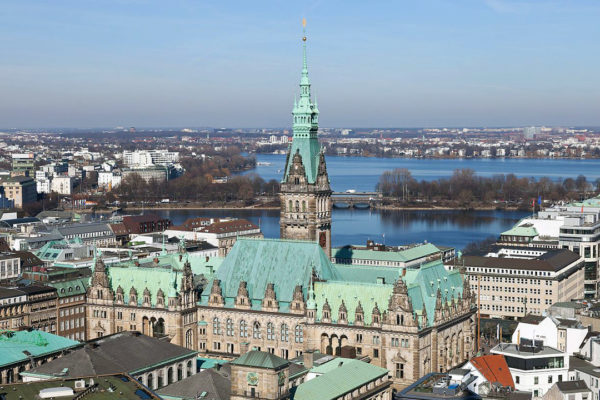
Hamburg is Germany’s great port on the Elbe and an old Hanseatic trading city, and its Speicherstadt warehouse district and Kontorhaus district are a UNESCO World Heritage Site.
In Hamburg, wander the red-brick warehouses of the Speicherstadt, see the ship-shaped Chilehaus, and go up to the plaza of the Elbphilharmonie concert hall, built on top of an old warehouse.
Hamburg is where the Beatles played the city’s clubs from 1960 to 1962, with John Lennon later saying “I grew up in Hamburg”, and in July 1943 the Allied raids of Operation Gomorrah created a firestorm that killed about 37,000 people.
11 – Bamberg
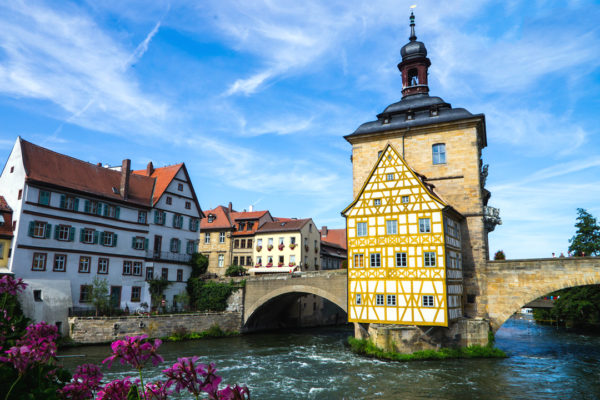
Bamberg is built across seven hills on the Regnitz river in Franconia, earning it the nickname “Franconian Rome”, and Emperor Henry II made it a bishop’s seat in 1007.
In Bamberg, see the Altes Rathaus, the old town hall built out on the river, the cathedral and the Neue Residenz, all part of a UNESCO-listed old town.
Bamberg’s signature drink is Rauchbier, a smoked beer brewed from malt dried over beechwood fires, and the city came through World War II largely intact.
12 – Cologne
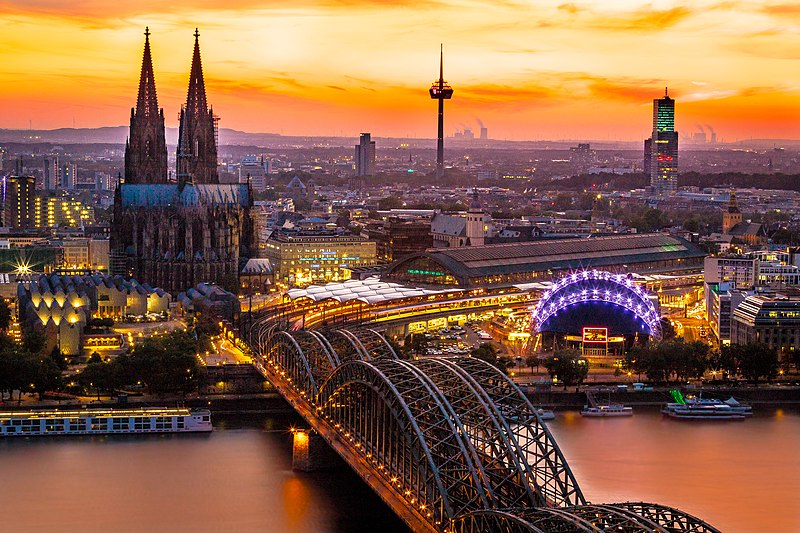
Cologne began as a Roman colony on the Rhine, and its Gothic cathedral, begun in 1248 and finished in 1880, is a UNESCO World Heritage Site.
In Cologne, see the golden Shrine of the Three Kings inside the cathedral, holding relics brought from Milan in 1164, then explore the old town along the Rhine.
Cologne’s cathedral took 14 bomb hits in World War II but stayed standing while most of the city centre was flattened, and the Cologne-born Nobel winner Heinrich Böll wrote his Irish Journal and kept a cottage on Achill Island.
13 – Schiltach
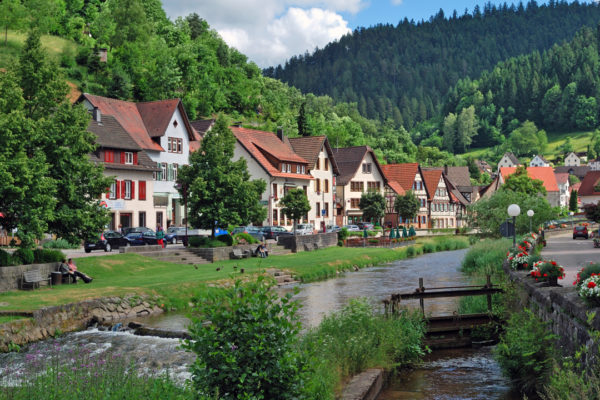
Schiltach is a half-timbered town in the Black Forest where the Schiltach river flows into the Kinzig, and it grew on the timber trade.
In Schiltach, wander the sloping, triangular market square and see the stepped-gable town hall of 1593, painted with scenes from local history.
Schiltach’s raftsmen floated Black Forest logs down the Kinzig to the Rhine, and some of that timber travelled as far as Holland to be used for building ships.
14 – Oberammergau

Oberammergau is an Alpine village in the Ammer valley of Upper Bavaria, famous for its Passion Play, first staged in 1634 after villagers vowed during a plague to perform it if they were spared.
In Oberammergau, admire the Lüftlmalerei, the painted house fronts named after the house of painter Franz Seraph Zwinck, who decorated the Pilatushaus in 1784.
Oberammergau’s Passion Play was praised by Hitler, who saw it in 1930 and 1934, and it has since been rewritten to remove its antisemitic content.
15 – Würzburg

Würzburg sits on the Main river in Franconia and was ruled for centuries by its prince-bishops, and its patron saint is the Irish missionary St Kilian, martyred there around 689.
In Würzburg, see the UNESCO-listed Residenz by Balthasar Neumann, with Tiepolo’s vast ceiling fresco over the staircase, then cross the Alte Mainbrücke to the Marienberg Fortress.
Würzburg is where Wilhelm Röntgen discovered X-rays in 1895, and an RAF raid on 16 March 1945 destroyed about 90 percent of the old town and killed thousands of people.
16 – St Goarshausen
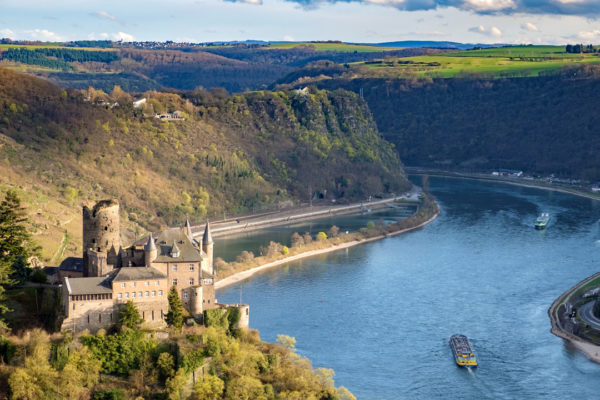
St Goarshausen sits on the Rhine in the UNESCO-listed Upper Middle Rhine Valley, beneath the Loreley, a 132-metre slate cliff where the river narrows and runs deep, once its most dangerous stretch.
In St Goarshausen, climb up to the Loreley for the view along the Rhine, and look up at Burg Katz, the “Cat” castle built around 1371 as a rival to the nearby “Mouse” castle.
St Goarshausen’s Loreley became the siren who lures boatmen to their deaths in Heinrich Heine’s 1824 poem, though the real danger was always the river itself.
17 – Königstein Fortress
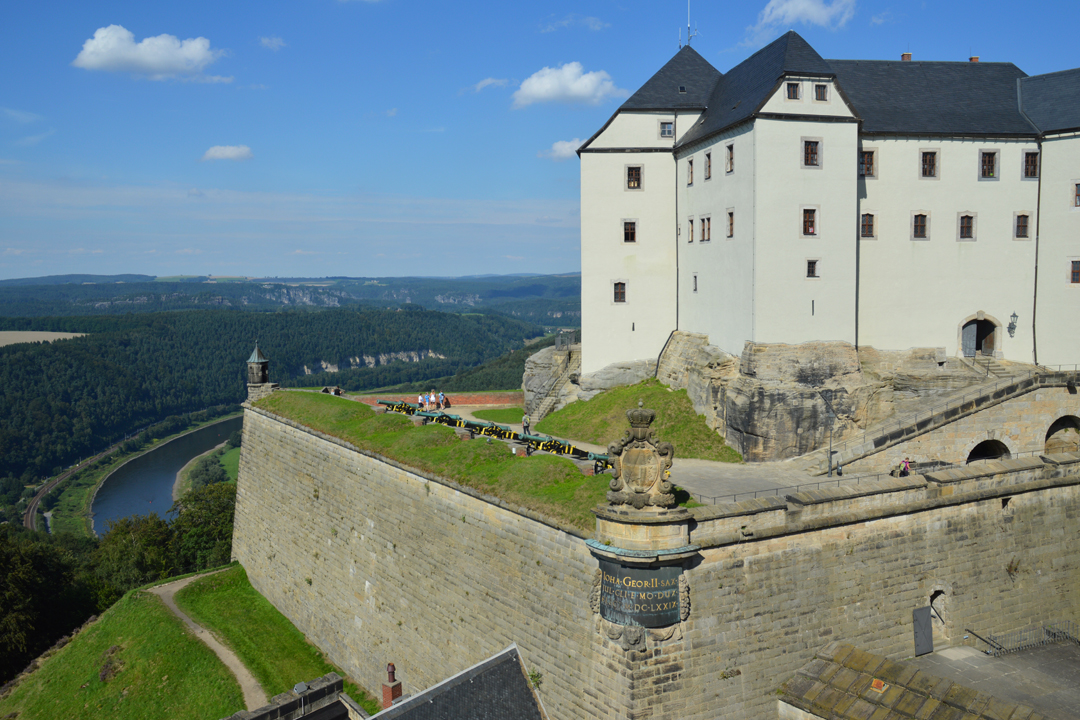
Königstein Fortress stands on a sandstone plateau 240 metres above the Elbe in Saxon Switzerland, and it was long reputed to be impregnable.
At Königstein Fortress, walk the ramparts for views over the Elbe, look down the 152.5-metre well, the second-deepest castle well in Europe, and see the cells of the state prison that once held the porcelain pioneer Johann Friedrich Böttger.
In 1942, the 63-year-old French General Henri Giraud escaped from Königstein Fortress by lowering himself down the cliff on a home-made rope, and made it to Switzerland.
18 – Potsdam
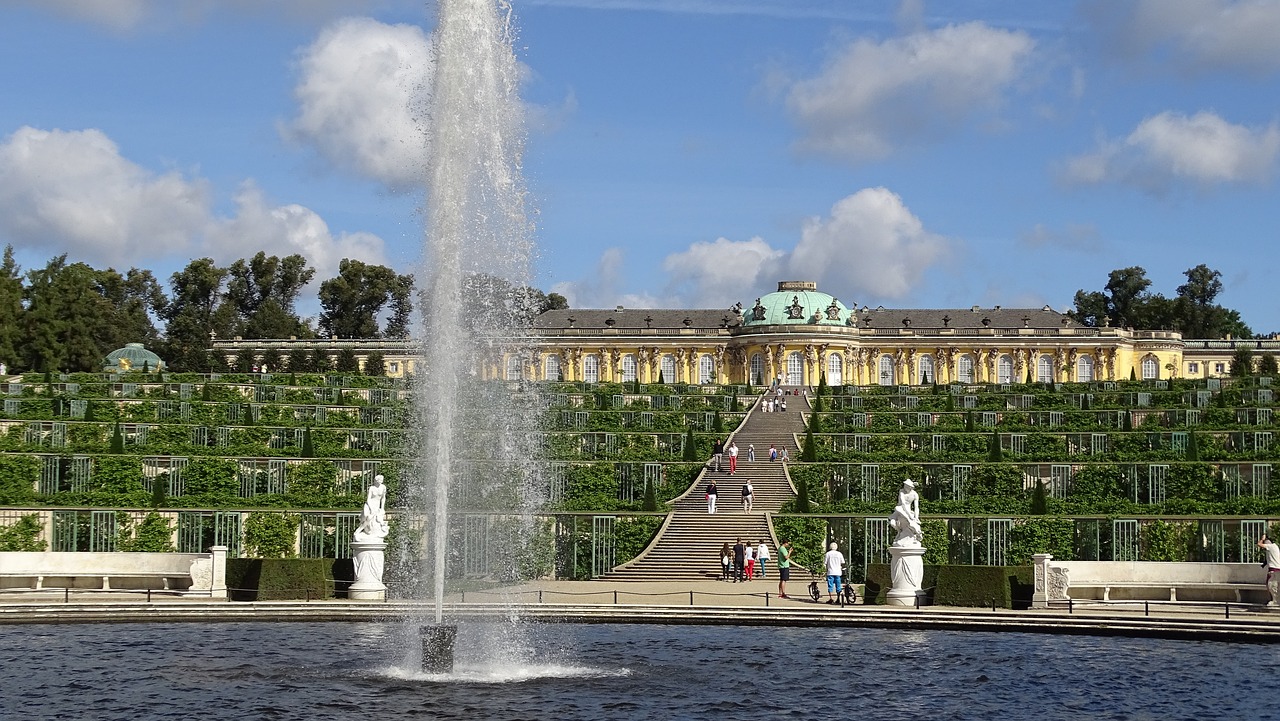
Potsdam lies just south-west of Berlin among lakes and parks, the favourite residence of the Prussian kings, and its palaces and parks are a UNESCO World Heritage Site.
In Potsdam, tour Frederick the Great’s Sanssouci palace, built in 1745–47, and Cecilienhof, where Truman, Stalin and Churchill, later replaced by Attlee, met at the Potsdam Conference in 1945 to decide Germany’s future.
Visitors leave potatoes on Frederick the Great’s grave at Sanssouci because he promoted the crop in Prussia, and Potsdam’s Glienicke Bridge saw Cold War spy swaps, including the 1962 exchange told in the film Bridge of Spies.
19 – Dresden
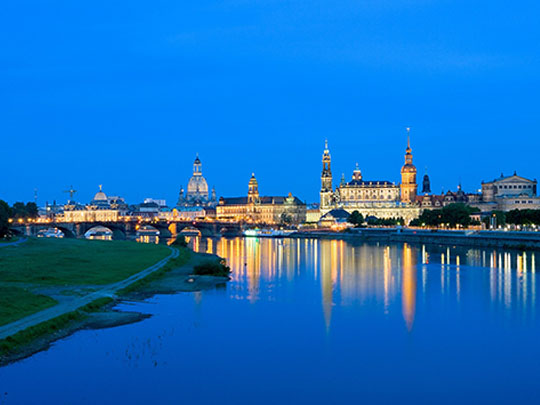
Dresden is the Saxon capital on the Elbe, nicknamed “Florence on the Elbe” for the Baroque city built under Augustus the Strong, and Allied raids in February 1945 destroyed its centre and killed up to 25,000 people, according to a historians’ commission set up by the city.
In Dresden, see the rebuilt Frauenkirche, the Zwinger palace, the Semperoper opera house and the treasures of the Green Vault, then stroll along the Elbe.
Dresden’s Frauenkirche collapsed two days after the 1945 raid, stood as a ruin for decades, and was rebuilt by 2005 from its original stones where possible, crowned with a cross made in London with the help of a silversmith whose father had flown in the raids.
20 – Aachen
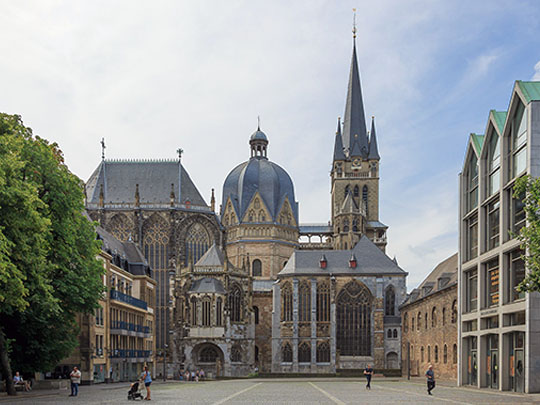
Aachen, on Germany’s western border, was Charlemagne’s seat of power, and he was buried in 814 in the chapel he had built there, the heart of Aachen Cathedral, which in 1978 became Germany’s first UNESCO World Heritage Site.
In Aachen, see the cathedral’s octagonal chapel, Charlemagne’s stone throne and his golden shrine, in a church where more than 30 German kings were crowned between 936 and 1531, then try the hot springs the Romans bathed in.
Legend says Aachen’s townspeople tricked the devil, who’d been promised the first soul to enter the cathedral, by sending in a wolf, and in October 1944 Aachen became the first city on German soil taken by the Allies.
21 – Nuremberg
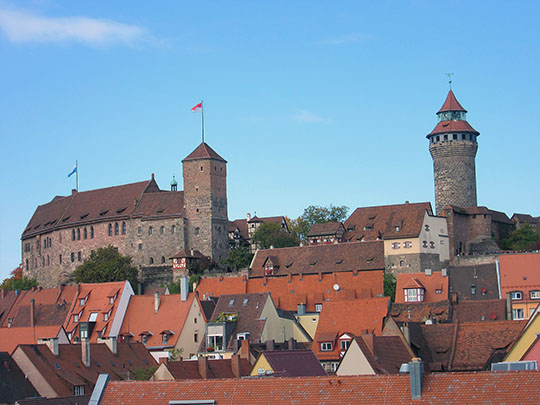
Nuremberg grew up around the Kaiserburg, its imperial castle in Franconia, and it later became the stage for the Nazi party’s mass rallies, where the antisemitic Nuremberg Laws were announced in 1935.
In Nuremberg, climb to the Kaiserburg, visit Albrecht Dürer’s house, walk the unfinished Nazi rally grounds, and see Courtroom 600, where the leading Nazis were tried.
Nuremberg’s old town was almost completely destroyed in a raid on 2 January 1945, and in 1945–46 the international tribunal in Courtroom 600 tried 22 leading Nazis and sentenced 12 of them to death.
22 – Trier
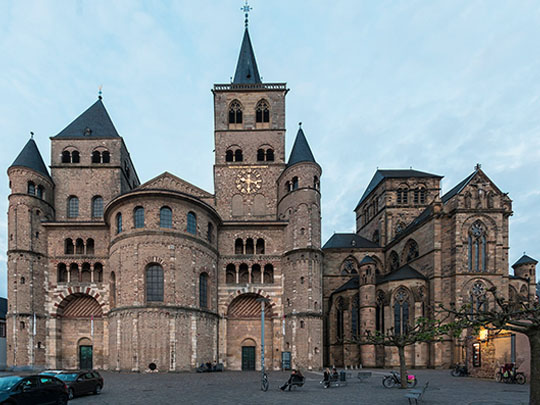
Trier, on the Moselle near the Luxembourg border, was founded by the Romans around 16 BC as Augusta Treverorum and is often called Germany’s oldest city, and in the 4th century it was an imperial capital where the Western emperors often lived.
In Trier, see the Porta Nigra, a Roman gate held together without mortar, the Aula Palatina, Constantine’s vast audience hall, the Imperial Baths and the amphitheatre, all part of a UNESCO World Heritage Site.
Trier is where Karl Marx was born in 1818, and a house on its market square boasts that the city stood 1,300 years before Rome, a medieval invention with no basis in fact.
23 – Regensburg
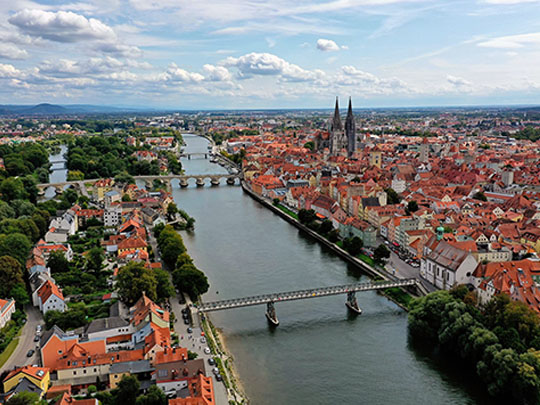
Regensburg, on the Danube in Bavaria, began as the Roman legionary fortress of Castra Regina in 179 AD and later hosted the Perpetual Imperial Diet of the Holy Roman Empire from 1663 to 1806.
In Regensburg, cross the Stone Bridge, built in 1135–46, grab a sausage at the Wurstkuchl beside it, and explore the Gothic cathedral and the UNESCO-listed old town, which came through World War II with little damage.
Regensburg has an Irish chapter: monks led by Muiredach mac Robartaig founded its Schottenkloster in the 1070s, when “Scoti” meant the Irish, and Irish monks held it for more than 400 years before it passed to the Scots.
24 – Weimar
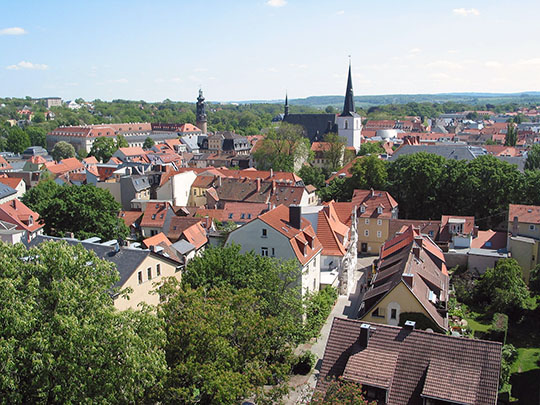
Weimar, in Thuringia, was the home of Goethe and Schiller, gave its name to the Weimar Republic after Germany’s National Assembly met there in 1919, and saw Walter Gropius found the Bauhaus in the same year.
In Weimar, visit Goethe’s house, the Duchess Anna Amalia Library and the Bauhaus Museum, then the Buchenwald Memorial, about 8 km outside the town.
Buchenwald, on the hill above Weimar, was one of the largest Nazi concentration camps, where the USHMM records about 250,000 prisoners and at least 56,000 murdered, and after its liberation in April 1945 General Patton ordered local citizens to walk through the camp.
25 – Leipzig
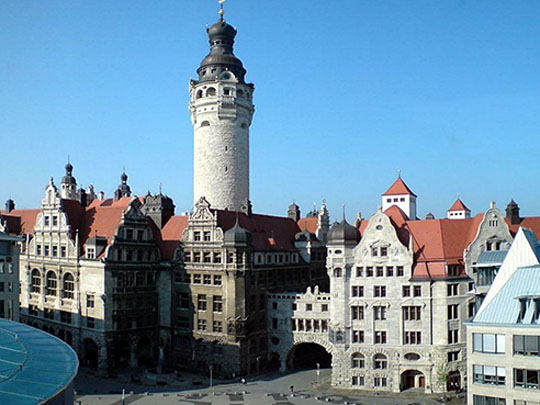
Leipzig, in Saxony, was the city of Johann Sebastian Bach, cantor at St Thomas Church from 1723 to 1750, and the Battle of the Nations, fought outside it in October 1813, was one of Napoleon’s heaviest defeats.
In Leipzig, visit St Thomas Church, where Bach is buried, St Nicholas Church, and Auerbachs Keller, the cellar bar Goethe wrote into Faust, then climb the 91-metre Monument to the Battle of the Nations.
On 9 October 1989, tens of thousands of people marched peacefully through Leipzig after prayers at St Nicholas Church, chanting “We are the people”, and the security forces held back, a turning point on the road to the fall of the Berlin Wall a month later.