
David & Bonnie / Wikimedia Commons / CC-BY-SA-3.0 / GFDL
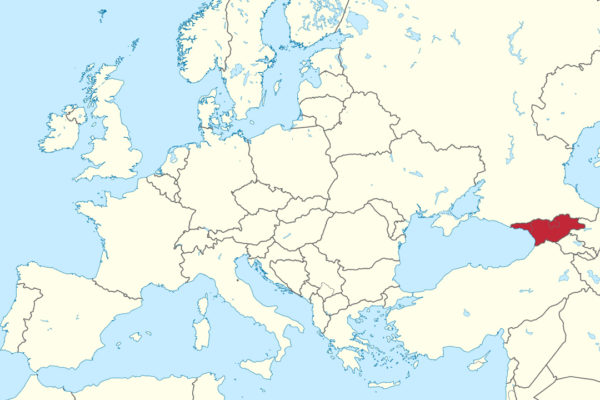
Capital: Tbilisi
Population: 3.9 million+
Language: Georgian
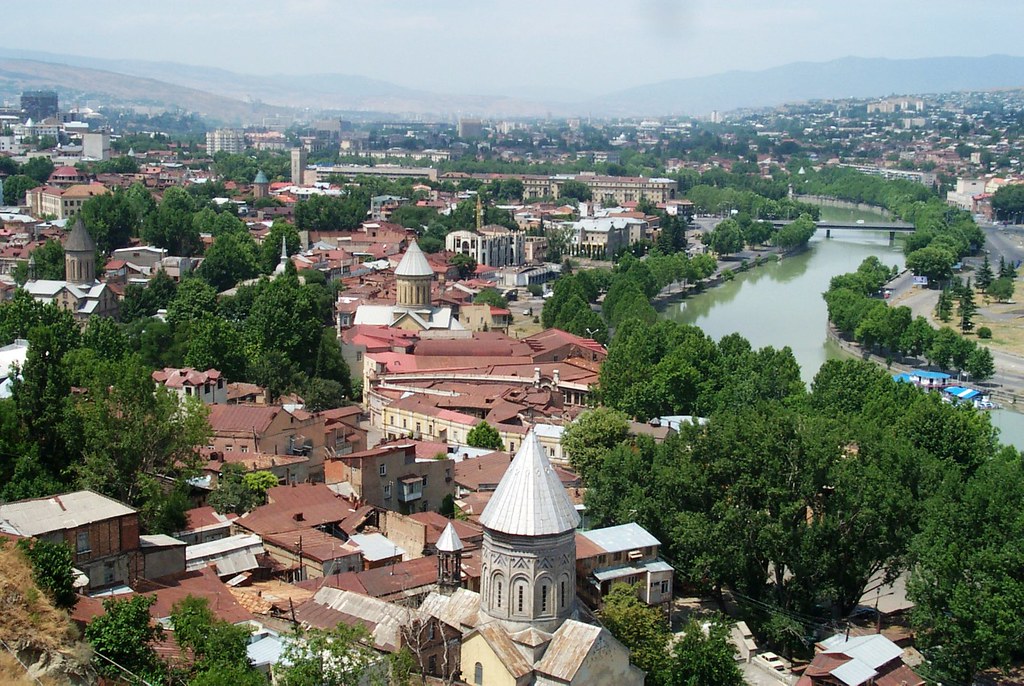
1 – Tbilisi (above)
Tbilisi sits in the valley of the Mtkvari river, and legend says King Vakhtang Gorgasali founded it after his falcon fell into a hot spring, giving the city a name from tbili, “warm”, though it was shaped just as much by the Persian sack of 1795, Russian annexation in 1801 and the Red Army’s arrival in 1921.
In Tbilisi, soak in the domed sulphur baths of Abanotubani, climb to Narikala fortress, and walk Rustaveli Avenue, where Soviet troops broke up a peaceful rally on 9 April 1989, killing at least 19 people.
Tbilisi was where the young Stalin studied at the seminary until he was expelled in 1899, and in World War II around 700,000 Georgians served in the Soviet forces, with an estimated 300,000 or more never coming home.
2 – Borjomi
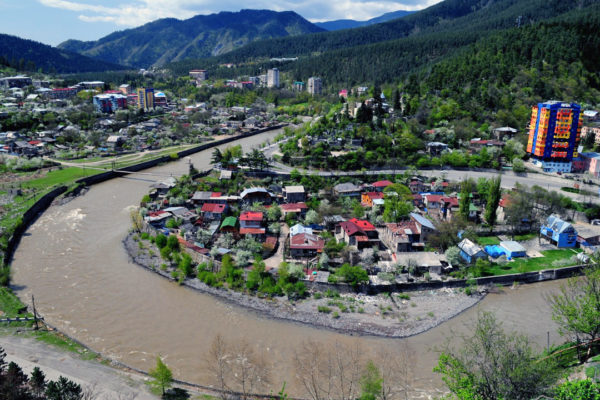
Borjomi sits in a forested gorge in south-central Georgia, and its mineral springs, found by Russian soldiers in 1829, turned the town into a spa favoured by Russia’s imperial family.
In Borjomi, taste the salty, fizzy water at its springs, see the Likani Palace built in the 1890s for Grand Duke Nicholas Mikhailovich, and hike in Borjomi-Kharagauli National Park.
Borjomi drew Tchaikovsky, who took the waters on his doctors’ advice in 1887 and sketched his sextet Souvenir de Florence there, and the town’s water became political in 2006, when Russia banned it on health grounds that Georgia called politically motivated, a ban that lasted until 2013.
3 – Mtskheta
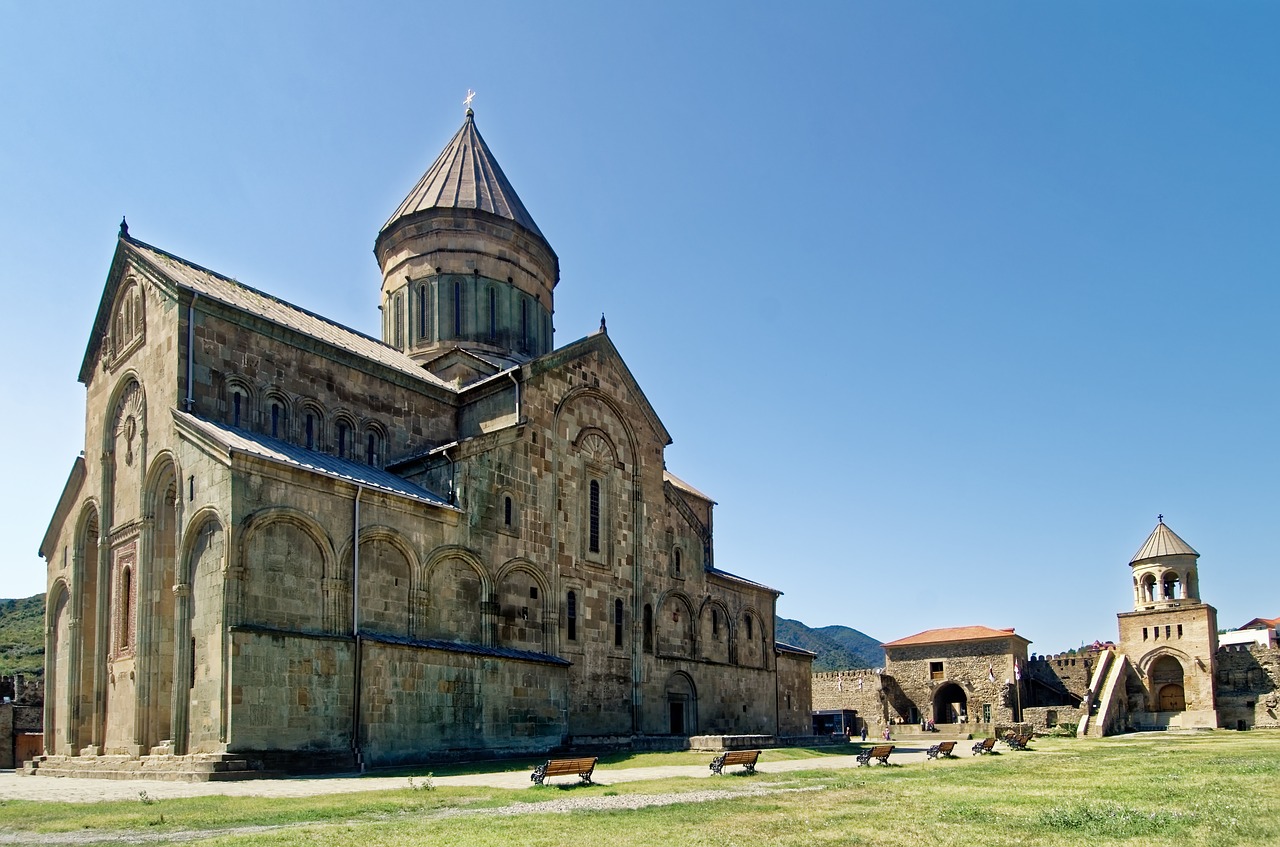
Mtskheta, where the Mtkvari and Aragvi rivers meet just north of Tbilisi, was Georgia’s ancient capital and the place where Christianity became the state religion in the 4th century, after St Nino converted King Mirian III.
In Mtskheta, see Svetitskhoveli Cathedral, built in 1010–29, where Georgian kings were crowned and buried, then look across the river to the Jvari Monastery on its hilltop, both part of a UNESCO World Heritage Site.
Legend says Christ’s robe lies under Mtskheta’s Svetitskhoveli, carried home from Golgotha by a local man whose sister died clutching it, and that St Nino made the church’s columns from the tree that grew from her grave.
4 – Zugdidi
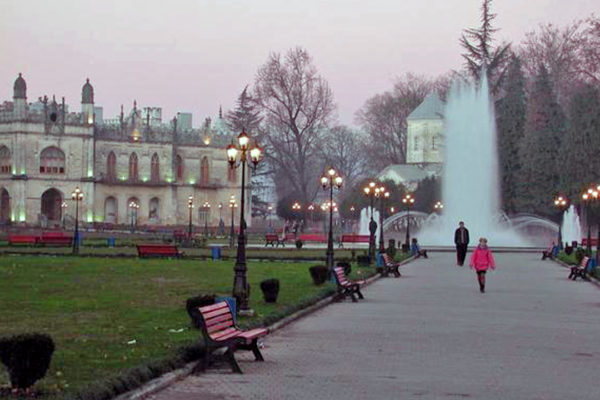
Zugdidi is the main town of Samegrelo in western Georgia and the old seat of the Dadiani princes of Mingrelia, close to the Enguri river, which marks the boundary with the breakaway region of Abkhazia, recognised by most countries as part of Georgia.
In Zugdidi, explore the Dadiani Palace museum, rebuilt in Neo-Gothic style in the 19th century, and wander its botanical garden.
Zugdidi’s palace holds one of only a handful of bronze casts of Napoleon’s death mask, which arrived through Princess Salome Dadiani’s marriage to Achille Murat, grandson of Napoleon’s sister Caroline.
5 – Batumi
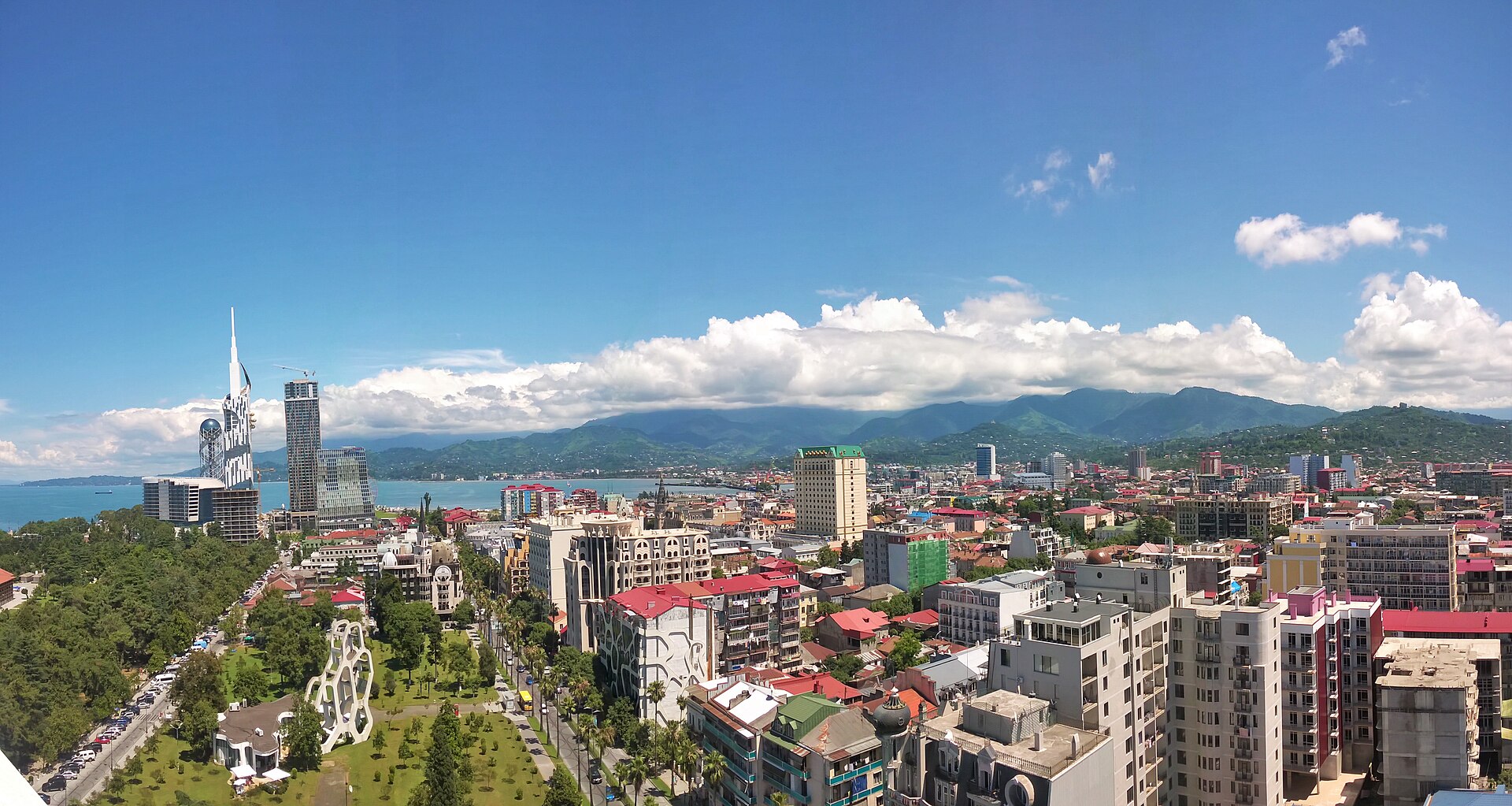
Batumi is Georgia’s Black Sea port near the Turkish border and the capital of Adjara, founded as a Greek colony in Colchis, the land of the Golden Fleece in Greek myth, and held by the Ottomans until it passed to Russia in 1878.
In Batumi, watch the moving steel sculpture of Ali and Nino glide together and apart on the seafront, explore the Botanical Garden at Green Cape, founded in 1912, and visit the Roman fortress of Gonio just south of the city.
Batumi boomed as the end of the Baku oil railway and pipeline, backed by the Rothschilds and the Nobels, and in 1902 a young Stalin organised strikes at the Rothschild refinery there before troops opened fire on a march he led.
6 – Sighnaghi
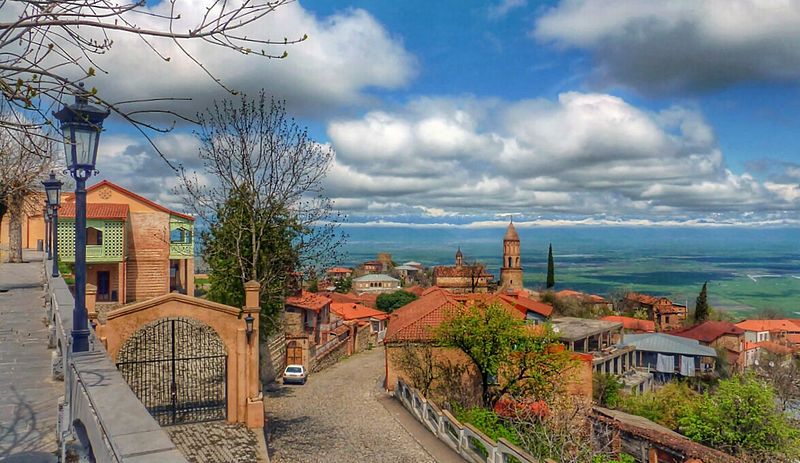
Sighnaghi is a hilltop town in Kakheti, Georgia’s wine country, ringed by walls and 28 towers built by King Erekle II in the 18th century.
In Sighnaghi, walk the town walls, see paintings by Niko Pirosmani in the local museum, and visit Bodbe Monastery nearby, where St Nino is buried.
Sighnaghi is known as Georgia’s “City of Love”, where couples come to marry, and legend says Pirosmani once bought a sea of roses for a French actress, a story behind the lyrics of the hit song “Million Scarlet Roses”.
7 – Kazbegi (Khevi)
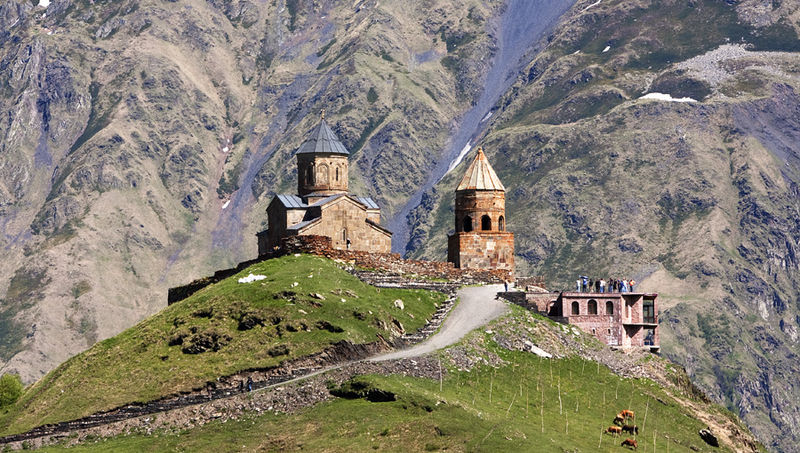
Khevi is the high mountain region around Stepantsminda on the Georgian Military Road, the historic route over the Caucasus to Vladikavkaz in Russia, travelled by Pushkin in 1829.
In Khevi, hike up to the 14th-century Gergeti Trinity Church at 2,170 metres, under the 5,054-metre peak of Mount Kazbek, and drive into the Dariali Gorge towards the Russian border.
Georgian legend says the hero Amirani, Georgia’s Prometheus, was chained to Mount Kazbek above Khevi, and locals tore down a Soviet-era cable car to Gergeti because they felt it threatened the church’s sanctity.
8 – Ushguli
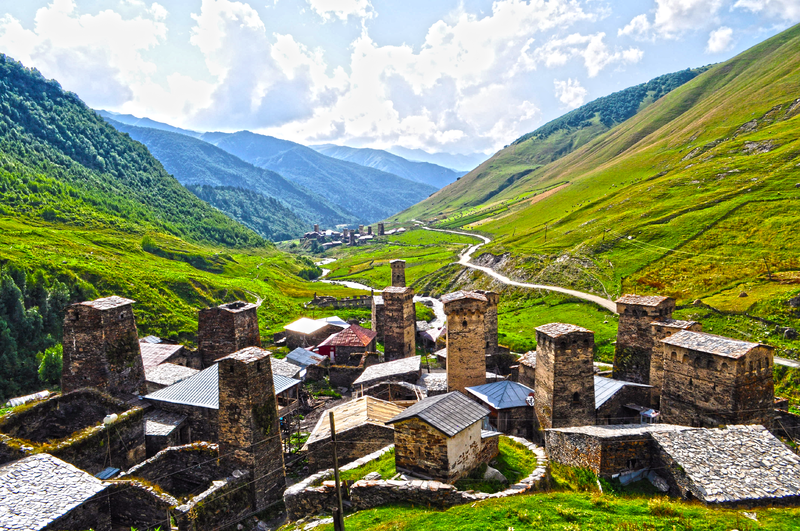
Ushguli is a cluster of villages at about 2,100 metres in Upper Svaneti, beneath Shkhara, Georgia’s highest mountain, and it’s often called one of the highest continuously inhabited settlements in Europe.
In Ushguli, wander among stone tower-houses dating mostly from the 9th to 12th centuries and visit the 12th-century Lamaria Church, all part of the UNESCO-listed Upper Svaneti.
Ushguli’s towers were built to shelter families from invaders, and Svaneti’s remoteness kept it out of foreign hands through Arab, Mongol, Persian and Ottoman invasions until Russia took control in the 19th century.
9 – Mestia
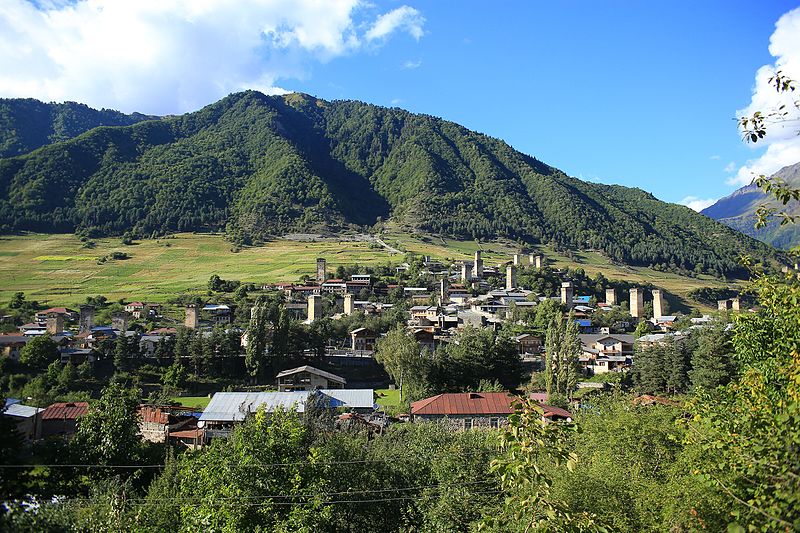
Mestia is the main town of Upper Svaneti, set at about 1,500 metres in the Greater Caucasus, with a skyline of medieval defensive towers.
In Mestia, visit the Svaneti Museum of History and Ethnography, home to the Adishi Gospels and icons kept safe in the mountains for centuries, and the house-museum of Mikheil Khergiani, the climber known as the “Tiger of the Rocks”.
In 1942, German mountain troops planted their flag on Mount Elbrus and seized passes on the main Caucasus ridge above Mestia’s region of Svaneti before Soviet forces drove them back.
10 – Telavi
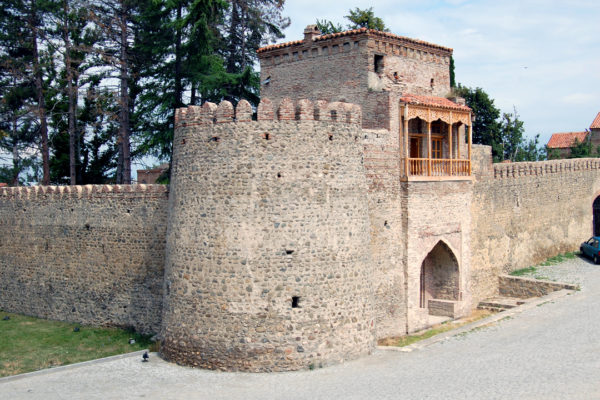
Telavi is the main town of Kakheti, Georgia’s wine region, a royal capital of the Kakhetian kings and the birthplace of King Erekle II in 1720.
In Telavi, see Batonis Tsikhe, the royal palace enlarged by Erekle II, then head out to Alaverdi Cathedral, more than 55 metres tall, where the monks make wine, and the old academy at Ikalto.
Telavi’s region keeps alive qvevri winemaking, fermenting wine in clay jars buried in the ground, a method UNESCO lists as intangible heritage, and Georgia has evidence of winemaking going back about 8,000 years.
11 – Vardzia
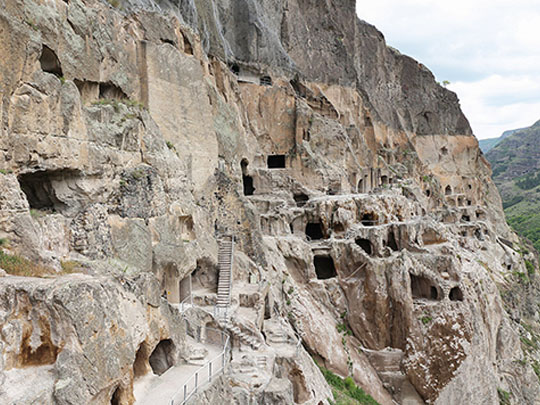
Vardzia is a cave monastery carved into the cliffs of Erusheti mountain above the Mtkvari river in southern Georgia, begun as a frontier fortress under King Giorgi III and turned into a monastery by his daughter, Queen Tamar, in the late 12th century.
At Vardzia, climb through hundreds of rooms cut on up to 19 tiers and linked by tunnels and stairways, and see the Church of the Dormition, with its royal portrait of Tamar painted before her marriage.
Vardzia’s hidden town was laid bare when an earthquake in 1283 sheared away the cliff face, and legend says it got its name when a young Tamar, lost in the caves, called out “Ak var, dzia” (“I’m here, uncle”).
12 – Kutaisi
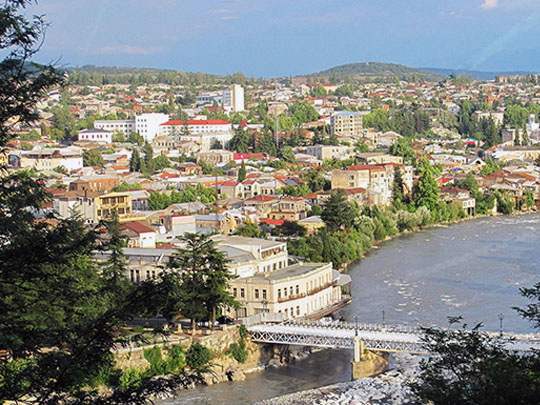
Kutaisi, on the Rioni river in western Georgia, was the capital of the united Georgian kingdom from 1008 to 1122 and later of the Kingdom of Imereti, and tradition links it with Aia, the Colchian city the Argonauts sailed to for the Golden Fleece.
In Kutaisi, see Bagrati Cathedral, built under King Bagrat III in the early 11th century, then head out to Gelati Monastery, founded by King David the Builder in 1106, a UNESCO World Heritage Site famous for its 12th-century mosaic of the Virgin and Child.
Kutaisi’s Gelati Monastery is the burial place of David the Builder, who is said to lie under the gateway so that visitors walk over him, while Bagrati was struck off UNESCO’s World Heritage List in 2017 after a controversial reconstruction.
13 – Dmanisi
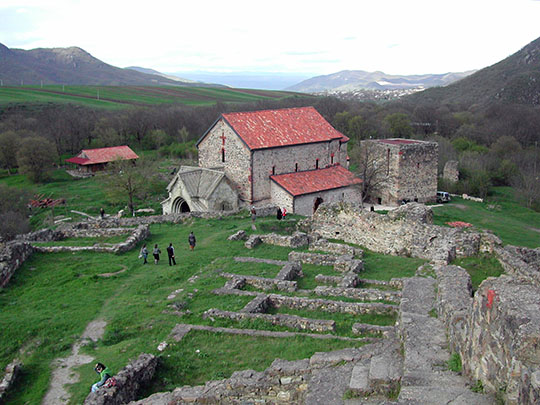
Dmanisi, in the hills of southern Georgia, was a medieval trading town, and under its ruins archaeologists found human fossils about 1.8 million years old, the oldest known outside Africa.
At Dmanisi, explore the ruins of the medieval town and the site where the fossils came out of the ground, a dig that began turning up finds in 1991.
Dmanisi’s Skull 5, unveiled in 2013, has a strikingly small brain for its body size and fuelled a debate over whether all early humans belonged to one highly variable species, and one toothless individual lived for years without teeth, possibly cared for by others.
14 – Gori
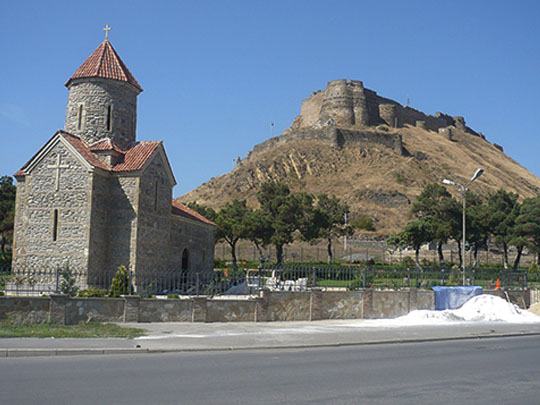

Gori, where the Mtkvari and Liakhvi rivers meet in central Georgia, is the birthplace of Joseph Stalin, born there in 1878 as Ioseb Jughashvili, and the town was occupied by Russian and South Ossetian forces during the 2008 war.
In Gori, visit the Stalin Museum, where his birth house sits under a grand pavilion, then head 10 km east to Uplistsikhe, a rock-hewn town first settled more than 3,000 years ago.
Gori’s Stalin Museum presents him in a strikingly favourable light, and the armoured railway carriage parked outside carried him to the wartime conferences at Tehran in 1943 and Yalta in 1945.