

Wikimedia Commons / CC-BY-SA-3.0 / GFDL
Capital: Paris
Population: 69 million+
Language: French
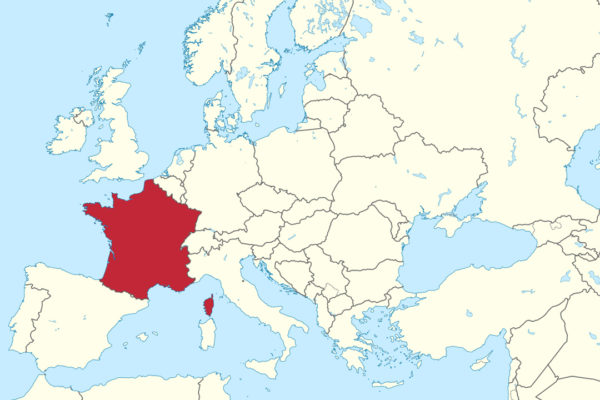
1 – Paris (also above)
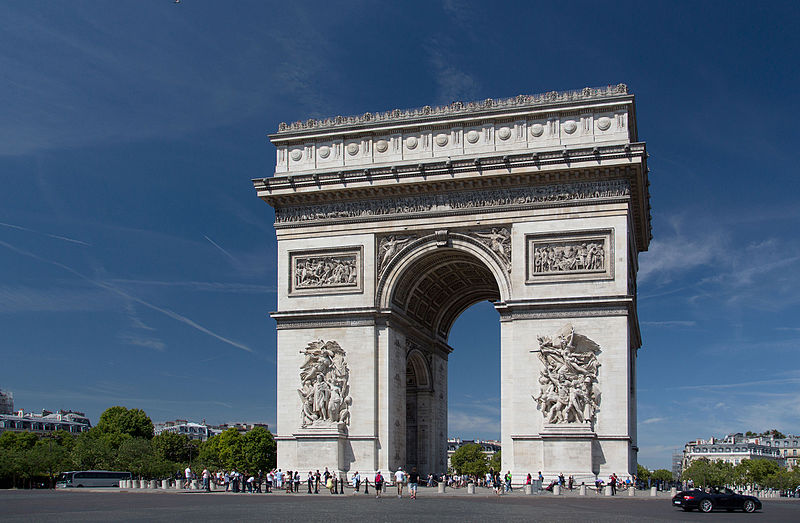
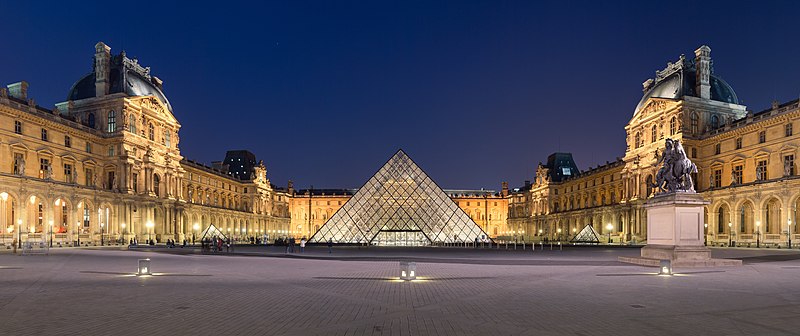
Paris grew from the Île de la Cité, an island in the Seine, took much of its look from Baron Haussmann’s rebuild for Napoleon III in 1853–70, and came through World War II intact when its German commander ignored Hitler’s order to leave it a field of ruins before the city was liberated in August 1944.
In Paris, see Notre-Dame, the Louvre, Montmartre and the Eiffel Tower, built for 1889 on a 20-year permit and saved from demolition by its usefulness as a radio antenna.
Paris has a big Irish chapter: Oscar Wilde died in a Left Bank hotel in 1900 and lies in Père Lachaise under a tomb by Jacob Epstein, and James Joyce’s Ulysses was first published there on his 40th birthday in 1922.
2 – Etretat Cliffs

Étretat sits on the Normandy coast north of Le Havre, where the sea has carved the white chalk cliffs into arches that drew painters from Courbet and Delacroix to Claude Monet, who painted them dozens of times in the 1880s.
At Étretat, walk the clifftops to the Porte d’Aval arch and the Aiguille, a needle of rock over 50 metres high, then to the Porte d’Amont across the bay and the Manneporte, the biggest arch of all.
Étretat’s Aiguille hides the treasure of the kings of France in Maurice Leblanc’s 1909 Arsène Lupin novel The Hollow Needle, and Leblanc’s house in the town is the Clos Lupin museum.
3 – Versailles
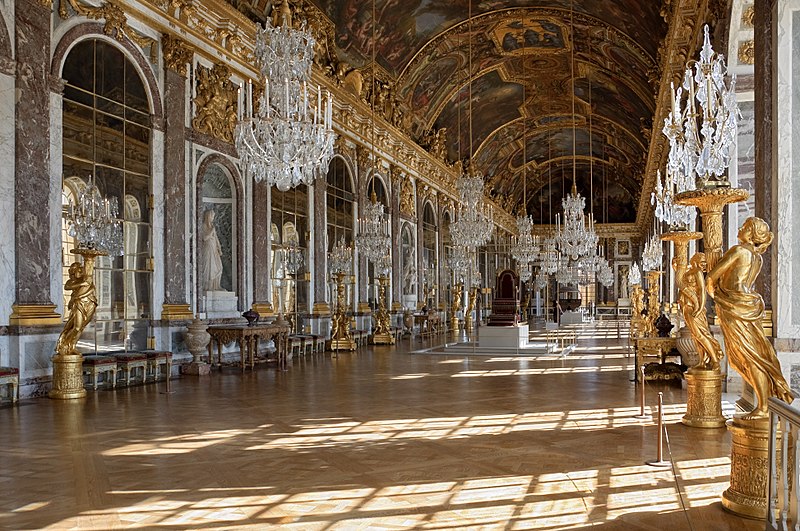
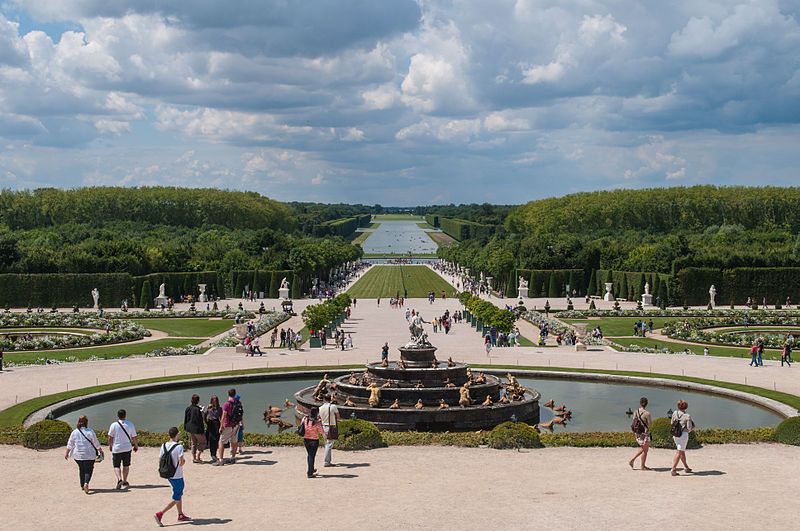
Versailles, about 16 km southwest of Paris, grew from Louis XIII’s hunting lodge into the palace where Louis XIV moved the royal court in 1682, and it stayed the seat of power until the royal family was forced back to Paris in 1789.
At Versailles, walk the Hall of Mirrors and the State Apartments, then explore André Le Nôtre’s gardens, the Trianon palaces and Marie Antoinette’s Queen’s Hamlet.
Versailles’ Hall of Mirrors saw the German Empire proclaimed in 1871 and the treaty ending World War I signed in 1919, and for the record, Marie Antoinette never said “let them eat cake”.
4 – Honfleur
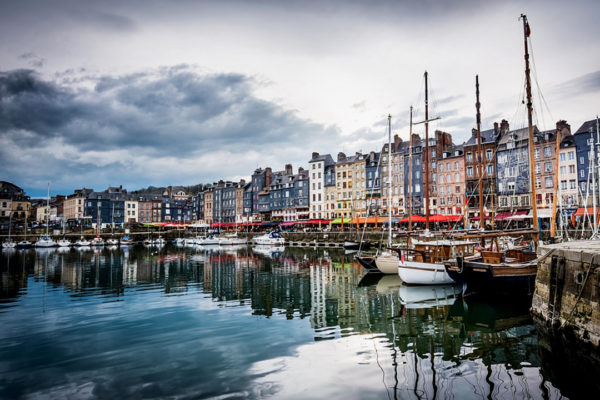
Honfleur is a harbour town on the south bank of the Seine estuary that changed hands repeatedly in the Hundred Years’ War, and Samuel de Champlain’s 1608 expedition to found Quebec set sail from it.
In Honfleur, stroll round the Vieux Bassin, the old harbour, see Sainte-Catherine, the largest wooden church in France, built by shipwrights with its bell tower standing apart, and visit the Eugène Boudin museum and the Maisons Satie.
Honfleur is often called a cradle of Impressionism, because Boudin, Monet, Courbet and Jongkind gathered at the Ferme Saint-Siméon, and the composer Erik Satie was born there in 1866.
5 – Annecy
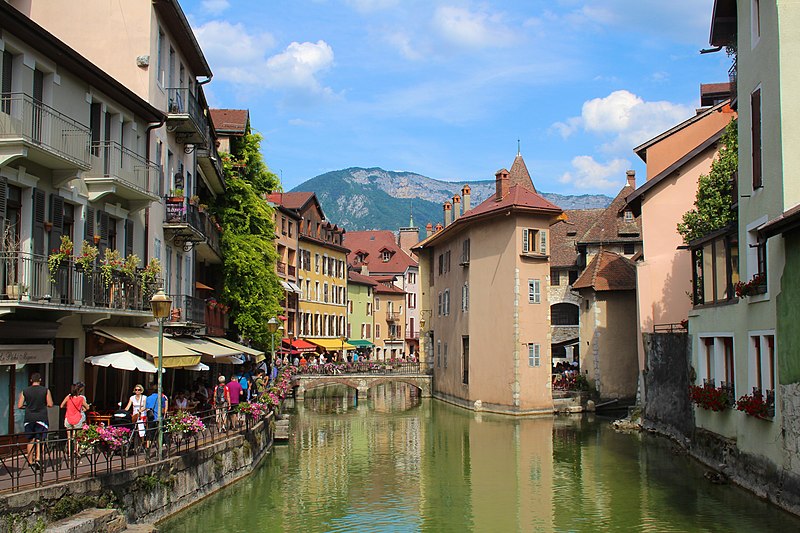
Annecy sits at the northern tip of Lake Annecy, about 35 km south of Geneva, and it became a Catholic stronghold in 1535 when the bishop of Geneva moved there after his city turned Calvinist, before becoming French in 1860.
In Annecy, wander the canals of the old town, often called the “Venice of the Alps”, see the 12th-century Palais de l’Isle, a former prison on an island in the Thiou river, and climb up to the Château d’Annecy.
Annecy is where a 16-year-old Jean-Jacques Rousseau met his patron Madame de Warens in 1728, a spot marked by a gilded balustrade, and the lake’s famously clean water owes a lot to a ring of sewers begun by a lake authority set up in 1957.
6 – Besancon
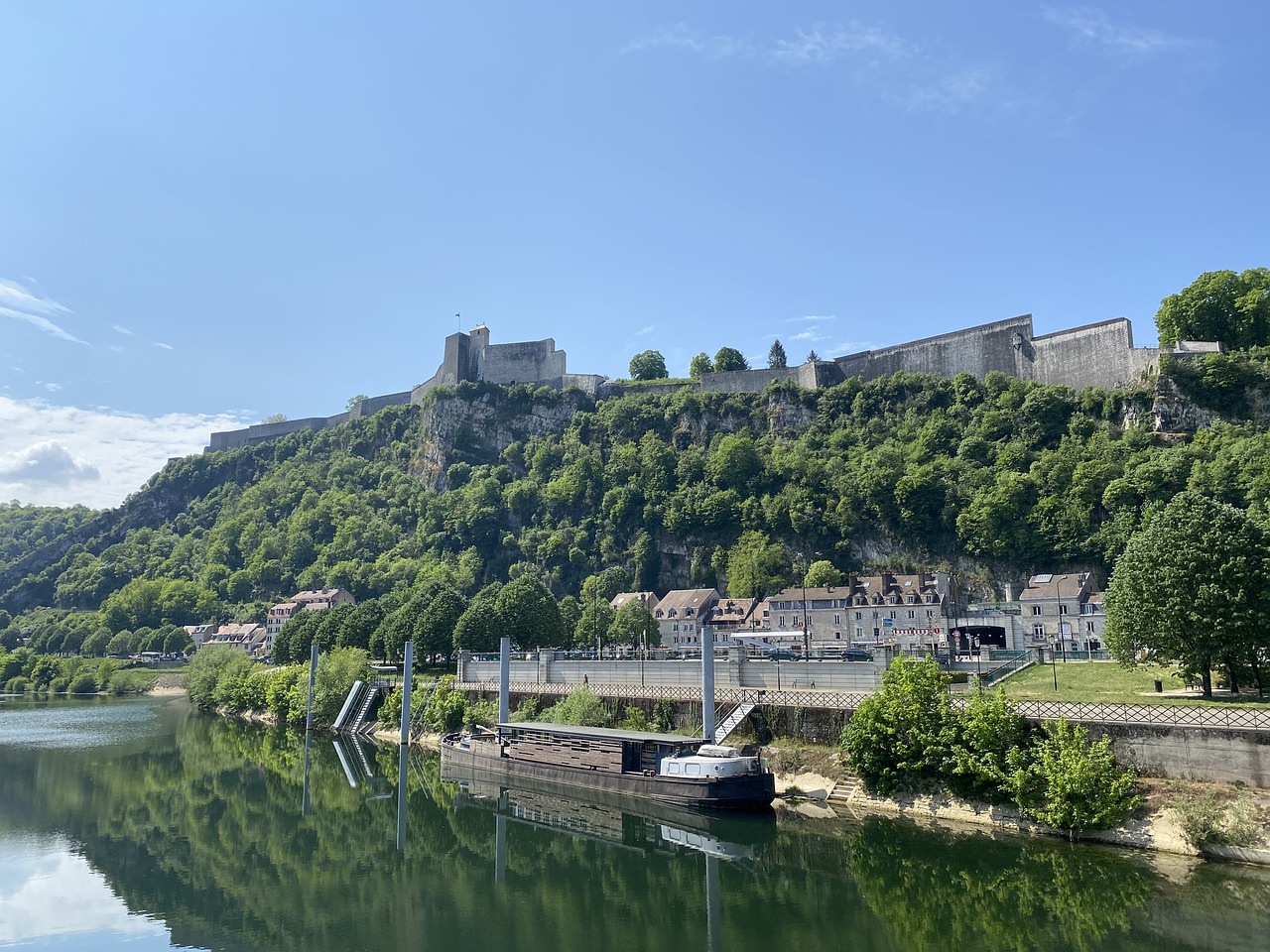
Besançon sits inside a tight loop of the Doubs river, with Vauban’s UNESCO-listed citadel closing off the gap, and Julius Caesar described the site as Vesontio in 58 BC.
In Besançon, explore the citadel, where German forces shot around 100 Resistance fighters in World War II and which houses a Resistance museum, the astronomical clock in Saint-Jean Cathedral and the Museum of Time, a nod to the city’s long watchmaking history.
Besançon can claim the birth of two big stories, because Victor Hugo and the Lumière brothers, the pioneers of cinema, were all born on the same square.
7 – Beynac-et-Cazenac
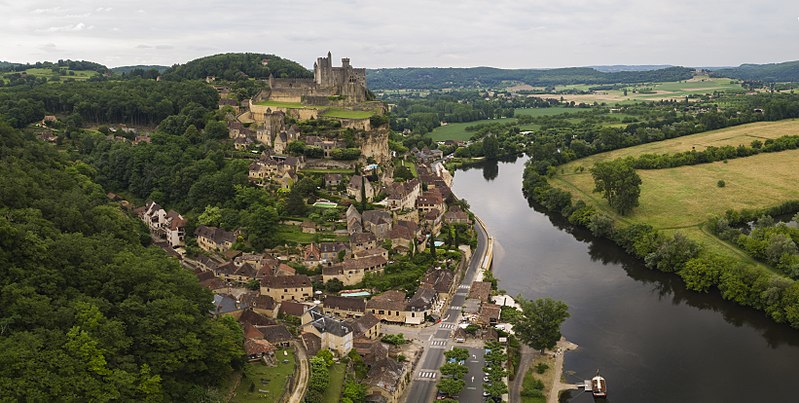
Beynac-et-Cazenac is a Dordogne village under a castle perched on a cliff about 150 metres above the river, and Richard the Lionheart held the castle from 1189 until his death in 1199.
At Beynac-et-Cazenac, climb through the village to the castle’s 12th-century keep and 15th-century painted chapel, with views across the Dordogne to the rival castle of Castelnaud.
During the Hundred Years’ War, Beynac-et-Cazenac’s castle held for France while Castelnaud across the river was English, and the castle has starred in films including The Messenger: The Story of Joan of Arc, Les Visiteurs and Ridley Scott’s The Last Duel.
8 – Brando – Corsica
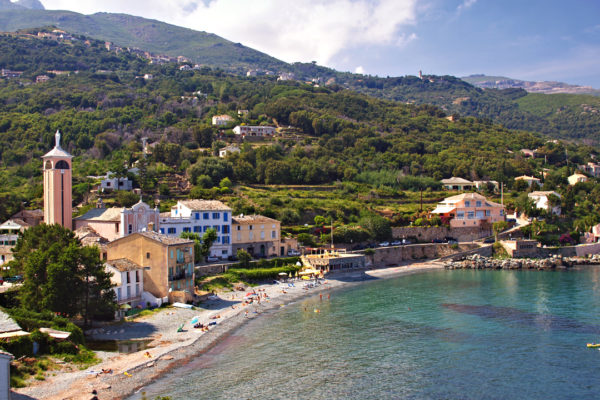
Brando is a commune on the east coast of Cap Corse, about 10 km north of Bastia, and its fishing village of Erbalunga was one of Corsica’s leading ports until the 16th century.
In Brando, wander Erbalunga’s harbour to the ruined Genoese tower on its rock, one of a chain of coastal defences against Barbary raiders, and visit the sanctuary of Notre-Dame des Grâces at Lavasina.
On Good Friday evening, Brando’s hooded penitents walk the Granitula, a procession that coils into a spiral and then unwinds again.
9 – Lourdes
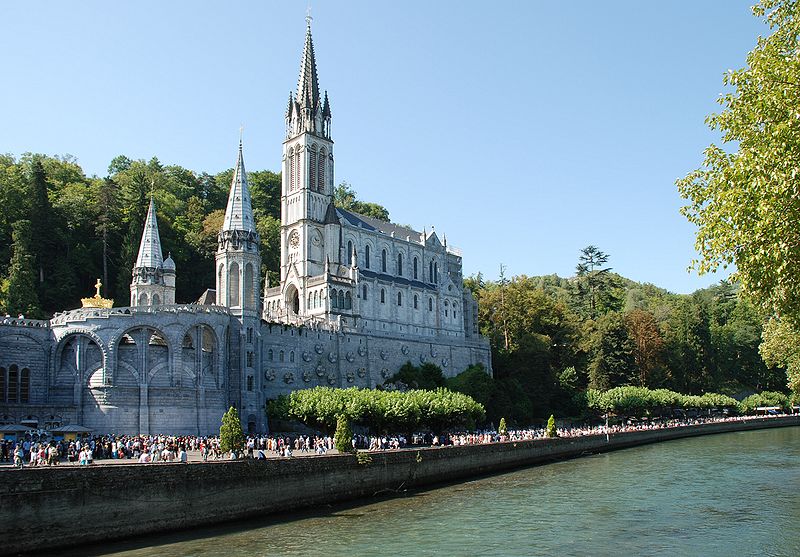
Lourdes is a town in the foothills of the Pyrenees, transformed after 14-year-old Bernadette Soubirous reported 18 apparitions of a lady at the Massabielle grotto in 1858.
In Lourdes, visit the grotto and its spring and the three basilicas, including the vast underground St Pius X, which holds 25,000 people, and join the candlelit evening procession.
The Church has recognised dozens of cures at Lourdes as miracles, and Bernadette’s story became the Oscar-winning 1943 film The Song of Bernadette, based on Franz Werfel’s novel, which he vowed to write while hiding in Lourdes from the Nazis in 1940.
10 – Mont Saint Michel
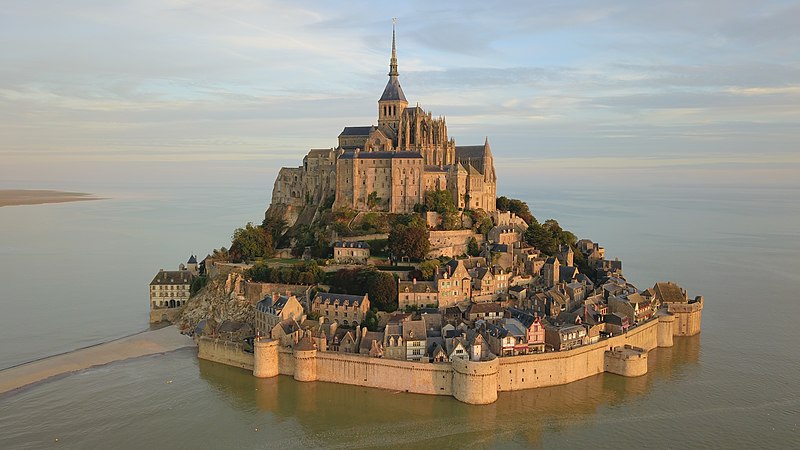
Mont-Saint-Michel is a tidal island at the mouth of the Couesnon river, home to a Benedictine abbey from 966, and legend says the archangel Michael ordered Bishop Aubert to build the first church there in 708.
On Mont-Saint-Michel, climb the Grande Rue to the abbey and La Merveille, its monastery buildings begun in 1204, then walk the ramparts and watch some of Europe’s biggest tides race across the bay.
Mont-Saint-Michel held out against the English through the Hundred Years’ War, the only part of northern and western France they never took, and it’s widely said, though Disney has never confirmed it, to have inspired the castle in Tangled.
11 – Cagnes-sur-Mer
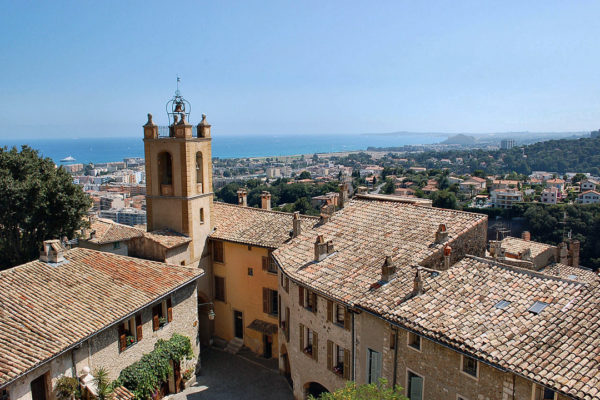
Cagnes-sur-Mer is a Riviera town between Nice and Antibes, crowned by the hilltop village of Haut-de-Cagnes and its castle, built in 1309 for Rainier Grimaldi.
In Cagnes-sur-Mer, explore the Château-Musée Grimaldi, then visit Les Collettes, the house where Pierre-Auguste Renoir spent his last years, which is a museum dedicated to him.
Cagnes-sur-Mer’s castle holds 40 portraits of the singer Suzy Solidor, who had herself painted more than 200 times by artists including Cocteau, Dufy and Tamara de Lempicka.
12 – Carcassone Castle
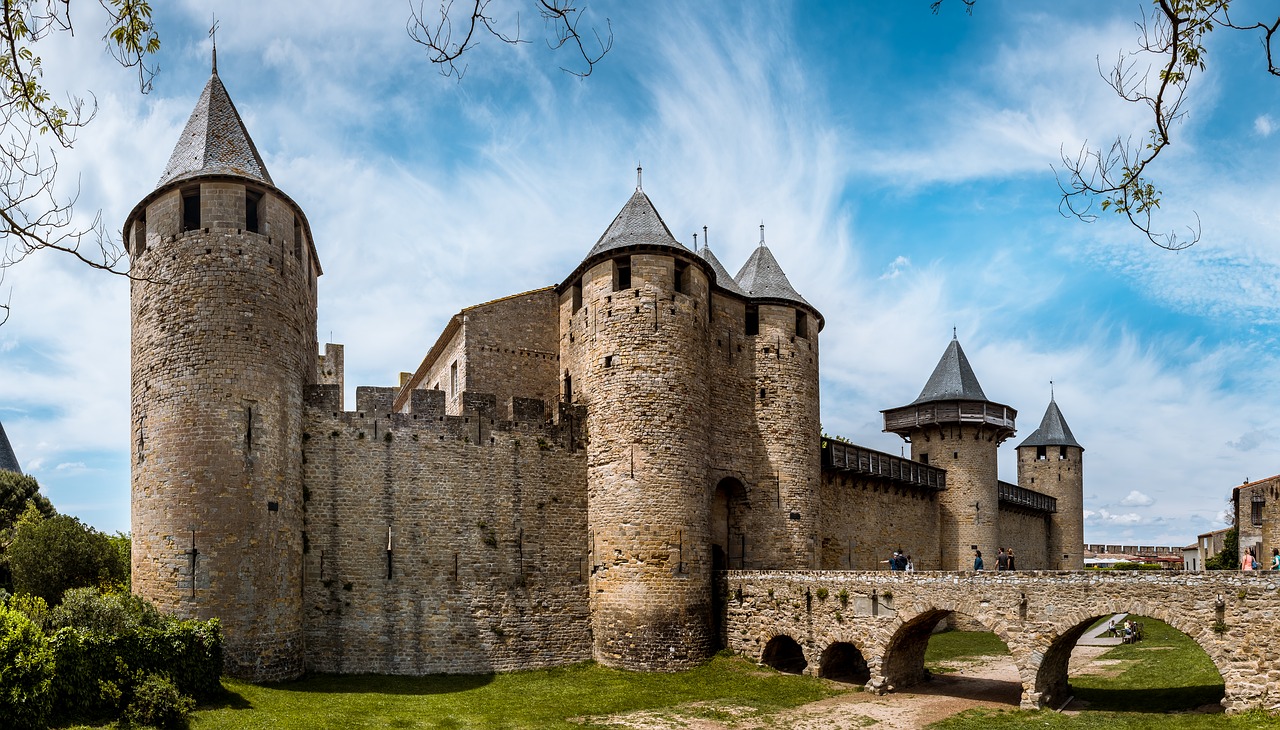
Carcassonne’s walled Cité sits on a hill above the Aude river, fortified by the Romans and the Visigoths, and with about 3 km of double walls and 52 towers it’s often called Europe’s largest medieval fortified city.
In Carcassonne, walk the inner and outer walls, explore the Château Comtal and the Basilica of Saint-Nazaire, and get lost in the lanes inside the Cité.
Carcassonne was restored by Viollet-le-Duc from 1853, though his pointed slate roofs are a northern French touch, and the story of Dame Carcas tricking Charlemagne’s besiegers with a wheat-fed pig is pure legend.
13 – Fougeres

Fougères stands on the edge of Brittany near Normandy and Maine, where its castle sits on a rock wrapped by a loop of the Nançon river, guarding the old frontier of the Duchy of Brittany.
In Fougères, explore the castle’s 13 towers and three enclosures, then climb to the town’s belfry, the first in Brittany, and the Saint-Léonard church and public garden.
Fougères inspired Balzac, who set his novel Les Chouans there, and Victor Hugo, who based the “Tourgue” tower in Ninety-Three on the castle’s Mélusine tower, and Hugo’s long-time companion, Juliette Drouet, came from the town.
14 – Carnac
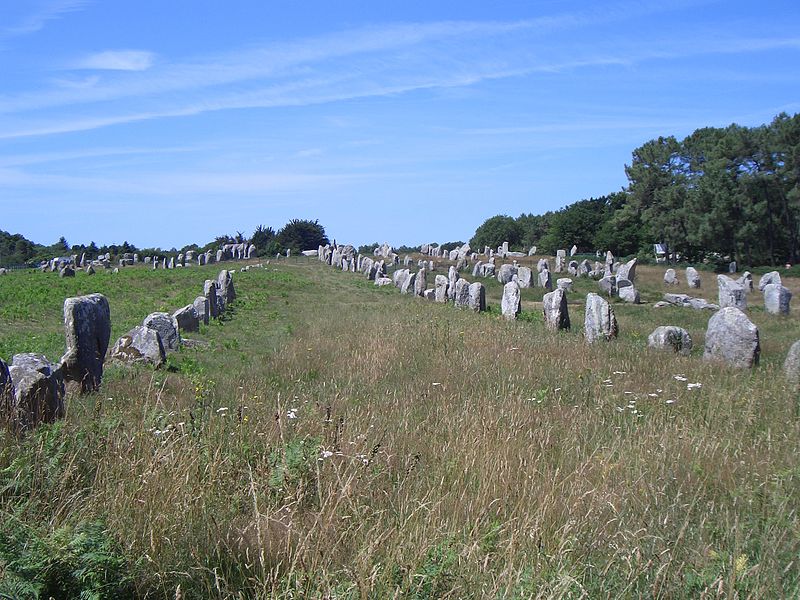
Carnac, on Brittany’s south coast, has more than 3,000 standing stones, the largest such group in the world, raised in the Neolithic, thousands of years before the Romans.
At Carnac, walk along the Ménec, Kermario and Kerlescan alignments, rows of stones each running for more than a kilometre, and climb the Saint-Michel tumulus, a 12-metre burial mound with a chapel on top.
Legend says Carnac’s stones are Roman soldiers turned to stone by St Cornély, which can’t be true since the stones are far older than Rome, and nobody knows for sure what they were for.
15 – Nice

Nice sits on the Baie des Anges and became French by the Treaty of Turin in 1860, and UNESCO lists it as the “Winter Resort Town of the Riviera”.
In Nice, stroll the Promenade des Anglais, explore the old town and Castle Hill, and see the Matisse museum in Cimiez and the Chagall museum.
Nice’s Promenade des Anglais began in 1822 when the English Reverend Lewis Way raised money to pay out-of-work locals to build a seafront path, and the city co-stars in Hitchcock’s To Catch a Thief.
16 – St Malo
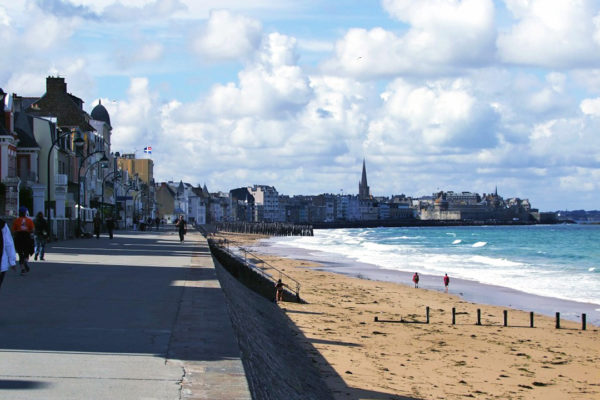
Saint-Malo is a walled port on a granite island on the north coast of Brittany, grown rich on navigators, traders and corsairs, and from 1590 to 1594 it even declared itself an independent republic under the motto “Neither French nor Breton, a Malouin am I”.
In Saint-Malo, walk the ramparts, visit the Saint-Vincent cathedral, where the explorer Jacques Cartier is buried, and cross the sand at low tide to Chateaubriand’s tomb on the island of Grand Bé.
Saint-Malo’s corsair Robert Surcouf, mocked that the French fight for money and the British for honour, is said to have replied that each man fights for what he lacks most, and the town, about 80 percent destroyed in the fighting of 1944 and painstakingly rebuilt, is the setting of Anthony Doerr’s novel All the Light We Cannot See.
17 – Strasbourg
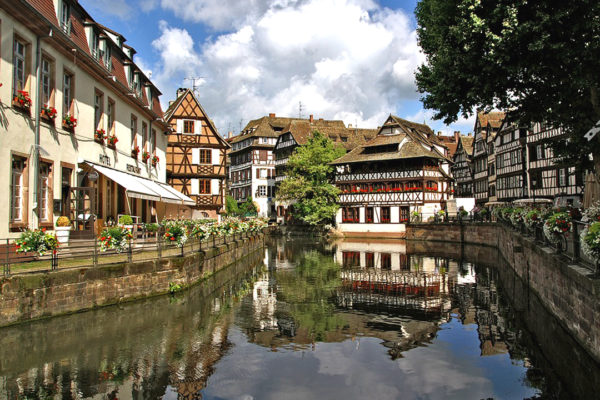
Strasbourg sits on the Rhine at the German border, began as the Roman camp Argentoratum, and swapped between France and Germany four times between 1870 and 1945.
In Strasbourg, see the cathedral and its astronomical clock, wander Petite France, named after a hospice for soldiers with syphilis, the “French disease”, and visit the European Parliament, which has its official seat in the city.
Strasbourg’s cathedral was the world’s tallest building from 1647 to 1874, the “Marseillaise” was written in the city in 1792, and in 1941 General Leclerc swore not to lay down arms until the French flag flew over the cathedral, a vow his troops kept on 23 November 1944.
18 – Verdon Gorge

The Verdon Gorge in Provence runs for about 25 km and plunges up to 700 metres deep, and the first full exploration was made in 1905 by the caver Édouard-Alfred Martel with the local schoolteacher Isidore Blanc.
At the Verdon Gorge, hike the Sentier Blanc-Martel with its tunnels and ladders, then swim or paddle in the turquoise Lac de Sainte-Croix at the gorge’s mouth.
The Verdon Gorge is often called Europe’s Grand Canyon, though Montenegro’s Tara Canyon is deeper, and filling the Lac de Sainte-Croix in the 1970s drowned the village of Les Salles-sur-Verdon, which was rebuilt higher up.
19 – Chateau de Chenonceau
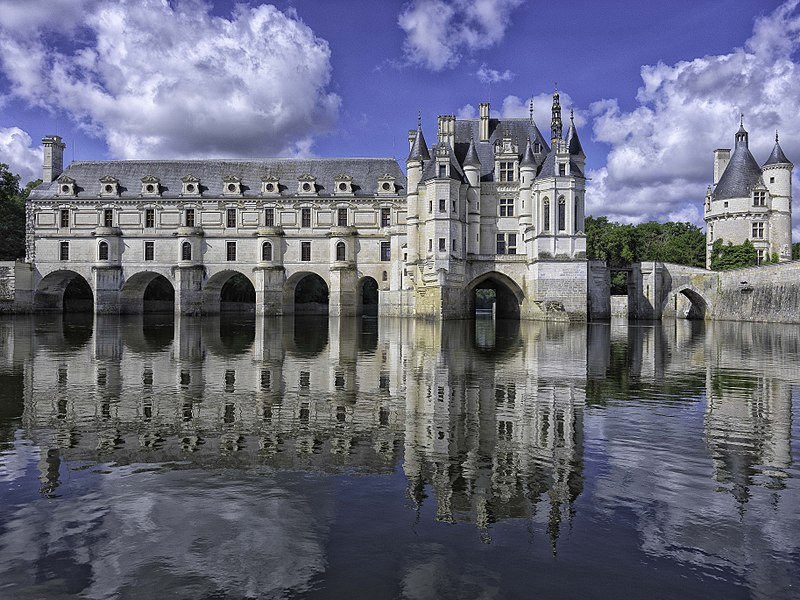
The Château de Chenonceau spans the River Cher in the Loire Valley and was built in 1514–22 for Thomas Bohier, with his wife Katherine Briçonnet overseeing the work.
At the Château de Chenonceau, cross Diane de Poitiers’ bridge and Catherine de’ Medici’s long gallery built on top of it, whose far door opened into the unoccupied zone when the Cher marked the World War II demarcation line, then explore the formal gardens named after both women.
Chenonceau is called the “Château des Dames” because women shaped it, from Henry II’s mistress Diane de Poitiers, ousted by his widow Catherine de’ Medici, to Louise Dupin, who saved it in the Revolution by arguing it was the only bridge across the Cher for miles.
20 – Pontarlier
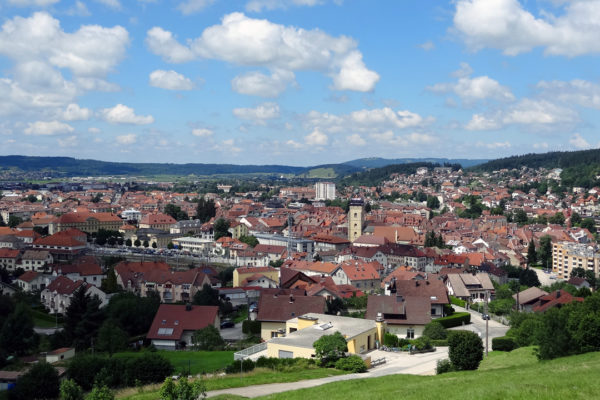
Pontarlier sits high in the Jura mountains near the Swiss border, and it became the capital of absinthe after Henri-Louis Pernod opened his distillery there in 1805.
In Pontarlier, taste absinthe at the town’s distilleries, then head to the nearby Château de Joux, where the Haitian revolutionary leader Toussaint Louverture died in 1803.
In 1901 lightning set Pontarlier’s Pernod factory ablaze and a worker let the absinthe flow into the Doubs, and when the Loue spring miles away turned cloudy and smelled of aniseed two days later, it proved the Loue is the Doubs re-emerging underground.
21 – Omaha Beach and Pointe du Hoc
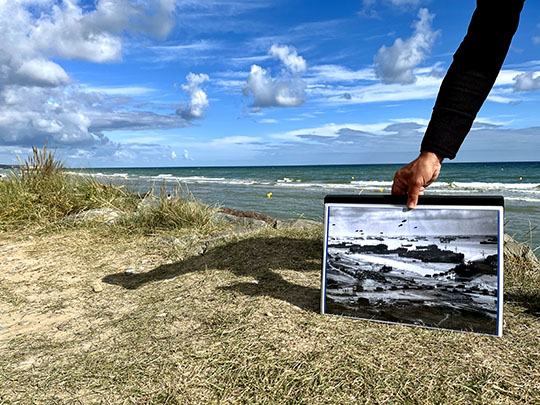
Omaha Beach is an 8 km stretch of Normandy coast where the US 1st and 29th Infantry Divisions landed on D-Day, 6 June 1944, suffering an estimated 2,400 casualties, while about 6.5 km to the west, US Rangers stormed the cliffs of Pointe du Hoc to take out a German gun battery.
At Omaha Beach, see Anilore Banon’s steel sculpture Les Braves on the sand at Saint-Laurent-sur-Mer, then walk Pointe du Hoc, where bomb craters and shattered bunkers scar the clifftop and a granite dagger monument stands on a German bunker.
At Pointe du Hoc, the Rangers climbed the cliffs with rope ladders and grappling hooks only to find the guns had been moved, so they tracked them down inland and destroyed them, and Saving Private Ryan recreated the Omaha landing at Curracloe beach in Co. Wexford, with Irish reserve soldiers as extras.
22 – Château de Sully-sur-Loire

The Château de Sully-sur-Loire is a moated fortress guarding a crossing of the Loire, its keep begun in 1395 for Guy de La Trémoille.
At the Château de Sully-sur-Loire, explore the keep and its chestnut roof frame, shaped like an upturned ship’s hull.
Joan of Arc stayed at Sully-sur-Loire in 1429 and 1430, reputedly held there against her will, Henry IV’s chief minister Maximilien de Béthune bought it and became Duke of Sully, and the young Voltaire spent his exile from Paris there in 1716.
23 – Normandy American Cemetary
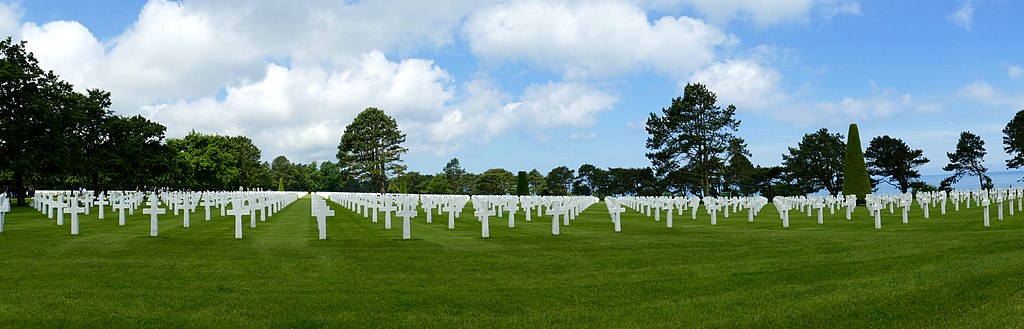
The Normandy American Cemetery at Colleville-sur-Mer stands on the bluff above Omaha Beach, where American troops came ashore on D-Day, 6 June 1944, on land France granted to the United States in perpetuity.
At the Normandy American Cemetery, walk among the rows of nearly 9,400 white headstones, see the Walls of the Missing and the bronze Spirit of American Youth Rising from the Waves, and look down over Omaha Beach.
The Normandy American Cemetery holds 45 pairs of brothers, among them the Niland brothers, whose family’s story inspired Saving Private Ryan, which opens and closes there, and Theodore Roosevelt Jr. lies beside his brother Quentin, killed in World War I.
24 – Rouen
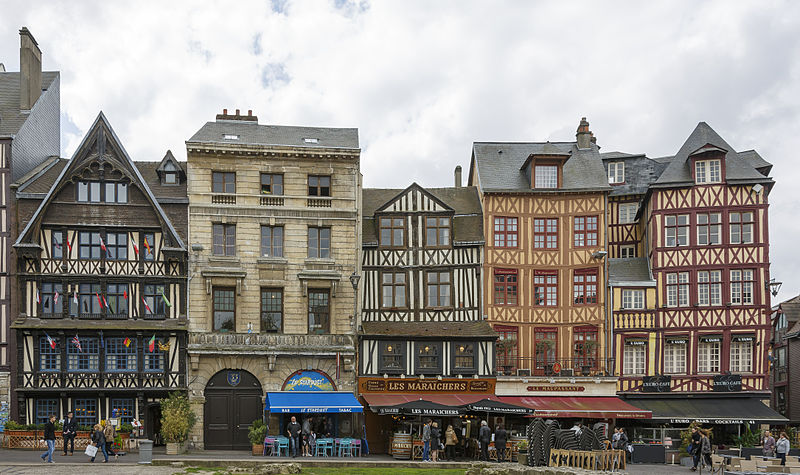
Rouen, on the Seine, was the capital of the Duchy of Normandy, and Joan of Arc was burned at the stake there in the Place du Vieux-Marché in 1431.
In Rouen, see the cathedral, badly damaged by bombing in 1944 and restored, the 14th-century Gros-Horloge astronomical clock, and the Place du Vieux-Marché with its modern Church of St Joan of Arc.
Rouen Cathedral’s cast-iron spire makes it the tallest church in France, Monet painted its façade more than 30 times, and Richard the Lionheart’s heart is buried inside.
25 – Saint-Guilhem-le-Désert
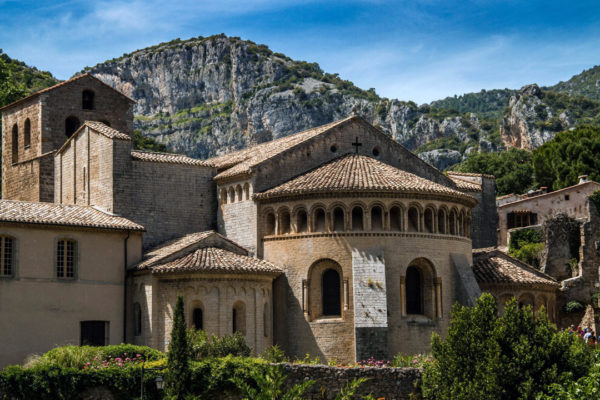
Saint-Guilhem-le-Désert sits where the Gellone valley meets the Hérault gorge, and its abbey was founded in 804 by William of Gellone, Count of Toulouse and a cousin of Charlemagne, who retired there as a monk.
In Saint-Guilhem-le-Désert, see the abbey church, a stop on the Way of St James and UNESCO-listed among the Routes of Santiago de Compostela, then wander the village’s stone lanes.
Saint-Guilhem-le-Désert’s abbey lost much of its cloister after the French Revolution, and those stones were rebuilt at the Met Cloisters in New York, while tradition says Charlemagne gave William a relic of the True Cross for the abbey.
26 – Avignon
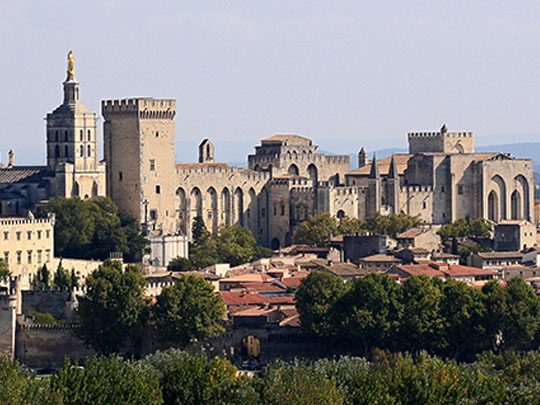
Avignon, on the Rhône in Provence, was home to the popes from 1309 to 1377, when seven of them ran the Catholic Church from the city, and rival popes held court there during the Great Schism that followed.
In Avignon, tour the Palais des Papes, the largest Gothic palace in Europe, then see the cathedral of Notre-Dame des Doms and the four surviving arches of the Pont Saint-Bénézet, out of an original 22.
Avignon has an Irish chapter in Richard FitzRalph of Dundalk, Archbishop of Armagh, who argued the parish clergy’s case against the friars at the papal court and died there in 1360, and for the record, people danced under the bridge in the famous song, not on it.
27 – Lascaux
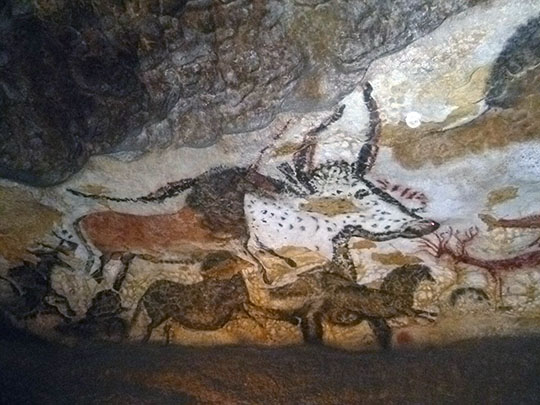
Lascaux is a cave near Montignac in the Dordogne’s Vézère valley, its walls covered with around 600 paintings made roughly 17,000 to 20,000 years ago, and it’s part of a UNESCO World Heritage Site.
At Lascaux, you visit Lascaux IV, a full-size replica opened in 2016, or the older Lascaux II copy, because the original cave closed to the public in 1963 after visitors’ breath and body heat began to damage the paintings.
Lascaux was found in September 1940, in the early months of the German occupation, by four teenagers including Marcel Ravidat, and the story that his dog Robot led them to it is often told but uncertain.
28 – Bayeux
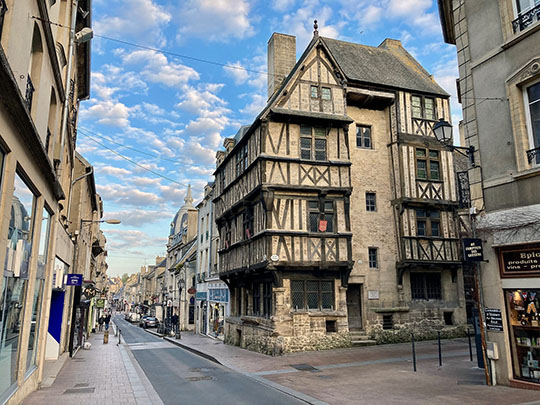
Bayeux is a Normandy town a few kilometres from the Channel and home to the Bayeux Tapestry, a roughly 70-metre embroidery of the Norman Conquest of England, probably made in England for Bishop Odo, William the Conqueror’s half-brother.
In Bayeux, see the Tapestry, the cathedral consecrated in 1077, and the Bayeux War Cemetery, the largest Commonwealth cemetery of World War II in France.
Bayeux’s Tapestry shows Halley’s comet, the famous arrow in King Harold’s eye may be the work of 19th-century restorers, and the town itself was liberated the day after D-Day and came through the war almost untouched.
29 – Reims
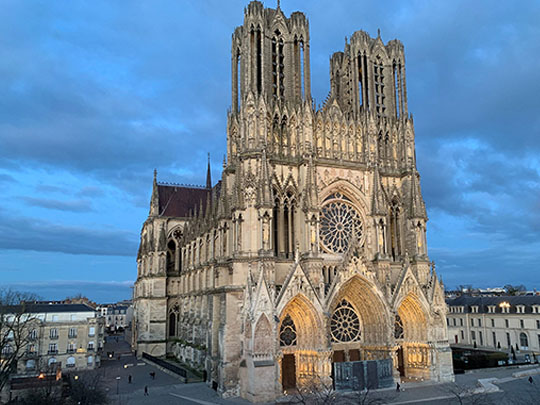
Reims, in Champagne, is where St Remi baptised the Frankish king Clovis, and its cathedral crowned most of France’s kings, including Charles VII in 1429, a coronation made possible by Joan of Arc, until the last, Charles X, in 1825.
In Reims, see the cathedral and its Smiling Angel, the Basilica of Saint-Remi and the Palace of Tau, then tour the champagne cellars cut into the chalk under Saint-Nicaise hill, part of a UNESCO World Heritage listing.
Reims Cathedral was set ablaze by German shells in 1914, which beheaded the Smiling Angel, and on 7 May 1945 Germany signed its surrender in a red-brick school in Reims that served as Eisenhower’s headquarters.
30 – Arles
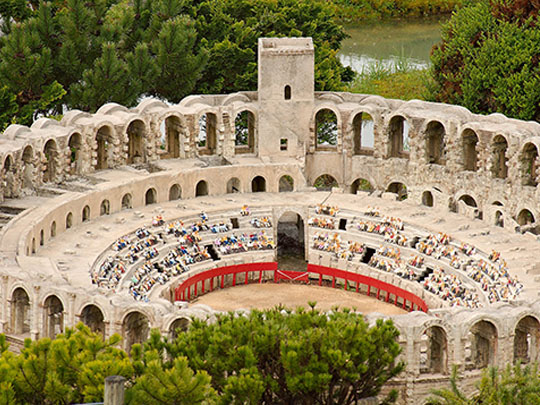
Arles, on the Rhône at the edge of the Camargue, was the important Roman city of Arelate, and its Roman and Romanesque monuments make up a UNESCO World Heritage Site.
In Arles, see the Roman arena and theatre, the Alyscamps cemetery and St Trophime church with its carved Last Judgment portal and cloister, though Van Gogh’s Yellow House was lost to Allied bombs aimed at the railway bridge in 1944.
Vincent van Gogh lived in Arles in 1888–89 and cut off most or all of his ear there, and Jeanne Calment, born in the town in 1875 and the oldest person whose age has been verified, said she met him and found him unpleasant.