
Wikimedia Commons / CC-BY-SA-3.0 / GFDL
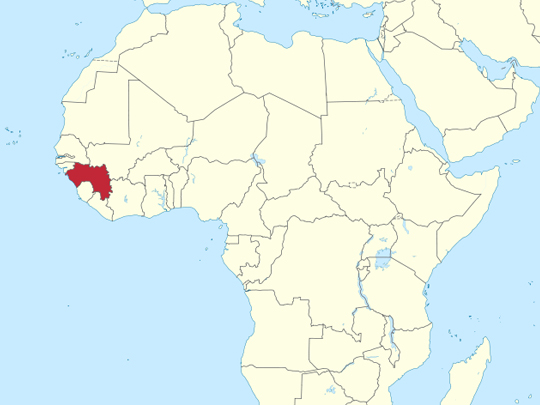
Capital: Conakry
Population: 15 million+
Language: French/Pular/Maninka/Susu
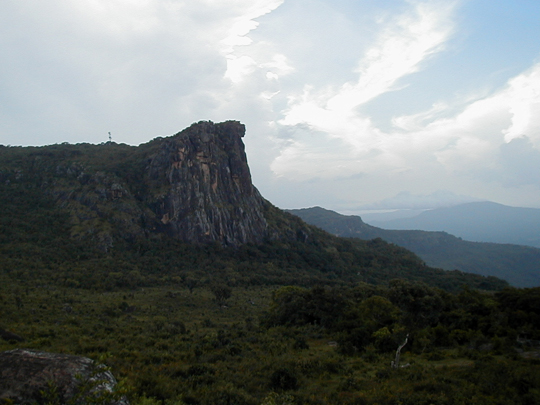
1 – Mount Loura (above)
The highest peak of the Fouta Djallon highlands in northern Guinea — the “water tower of West Africa,” where three of the continent’s great rivers, the Niger, Senegal and Gambia, all rise — Mount Loura climbs to around 1,500m, its cliffs falling away on three sides to views that reach into Senegal and Mali.
The cool, green highlands around it feel a world away from the coast: a plateau of gorges, waterfalls and Fula villages that has earned the Fouta Djallon the nickname “the Switzerland of Africa,” best explored on foot from the market town of Mali.
The mountain’s most famous feature is the Dame de Mali — a great rock face on its flank that erosion has carved into the near-perfect profile of a woman gazing out over the plains; local legend calls her a wife turned to stone, though she’s since been renamed “Mother of Fouta.”
2 – Cascades de la Soumba
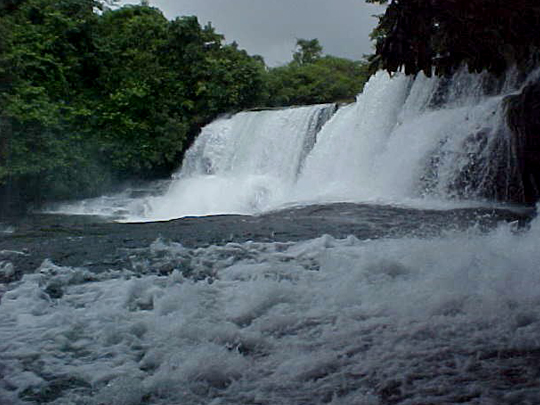
A tiered cascade on the Soumba River near the town of Dubréka, less than two hours from the capital, Conakry — the go-to weekend escape for city-dwellers in search of cool water and green shade.
The river slips down a broad staircase of rock into a string of natural pools where you can swim, splash and slide, with a restaurant and shelters set among the greenery; the falls are at their fullest and most thunderous after the rains, and dwindle in the dry months.
The whole scene sits in the shadow of Mount Kakoulima, a dramatic flat-topped massif rising over 1,000m — the first great mountain travellers see as they leave Conakry behind and head into Guinea’s interior.
3 – Iles de Los
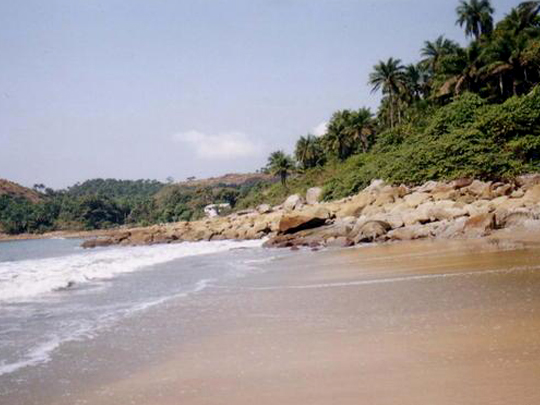
A cluster of palm-fringed islands scattered in the Atlantic just off Conakry, the Îles de Los — the “Islands of the Idols,” named by Portuguese sailors for the sacred carvings of the local Baga people — are the capital’s favourite tropical escape, a quick pirogue ride to golden beaches, forested hills and clear water.
Hop between the three main islands: Kassa, the closest and liveliest, its beach shacks grilling the morning’s catch; quiet Roume, with secluded coves and crumbling colonial ruins; and wild, remote Tamara, its long empty beaches watched over by a lonely old lighthouse.
These idyllic islands hide a swashbuckling past — a genuine haunt of pirates and slave traders that the British seized in 1812 to shut down; local lore even claims they inspired Robert Louis Stevenson’s Treasure Island, a romantic link that’s never quite been proven.
4 – Mount Nimba Nature Reserve
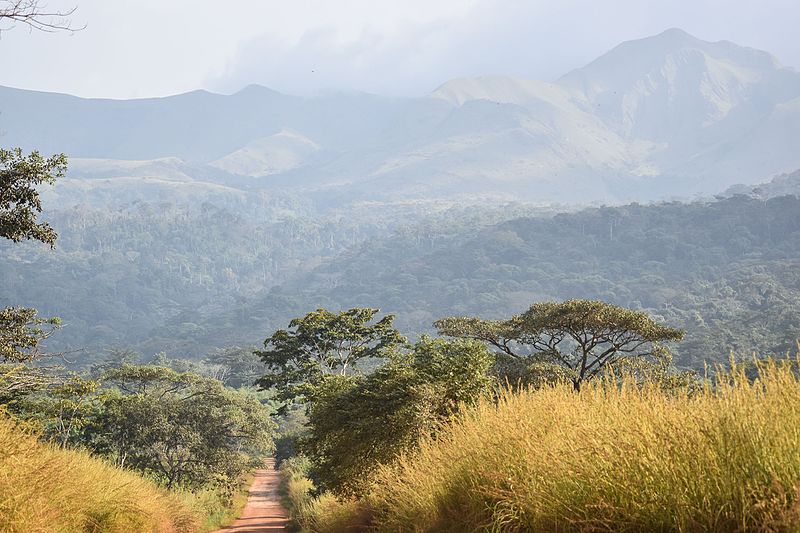
Mount Nimba rises to 1,752m, the highest peak in all of West Africa. It sits at the tri-border of Guinea, Ivory Coast and Liberia.
A UNESCO World Heritage Site, the reserve climbs from dense rainforest into cool, windswept mountain grasslands, and its long isolation has made it a cradle of species found nowhere else — including chimpanzees clever enough to use stones as tools to crack open nuts.
Among its rarest residents is the Nimba toad, one of the very few amphibians on Earth that gives birth to live young instead of laying eggs; the mountain also holds some of the world’s richest iron ore, a temptation that has kept the reserve on UNESCO’s list of sites in danger.
5 – Conakry
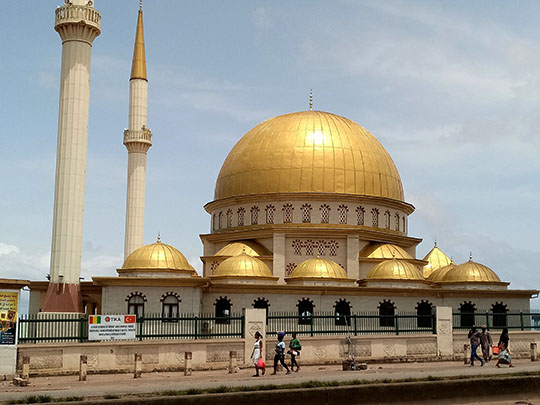
Guinea’s capital runs out along the narrow Kaloum peninsula from an island the French took in the 1880s, and on 2 October 1958 it became the seat of the first French colony in Africa to walk away from the empire — under Ahmed Sékou Touré, who then held the country for 26 years, in which the camp at Boiro on the city’s edge became a byword for the disappearance of his opponents.
The Grand Mosque is among the largest in West Africa, with Sékou Touré’s tomb in its gardens; beyond it lie the National Museum, the endless aisles of Madina market, and a port shipping out the bauxite that gives Guinea the largest reserves on Earth.
De Gaulle’s referendum of September 1958 offered France’s African colonies a subordinate place in a new French Community, or immediate independence with nothing; Guinea alone voted no, by about 95% — and France emptied out within weeks, taking or wrecking what it could, unscrewing light bulbs, carrying off the plans for Conakry’s sewers and burning medicines rather than leave them behind.