
By Zinneke / Wikimedia Commons / CC BY-SA 4.0

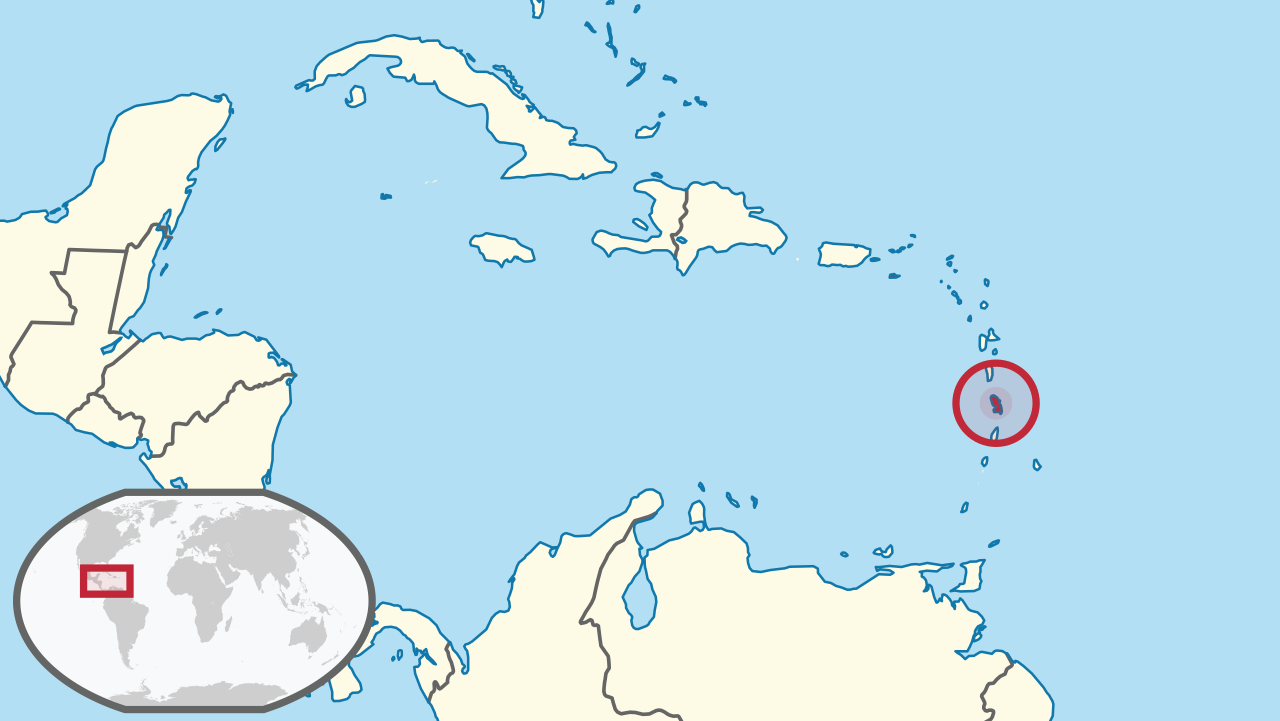
Capital: Fort-de-France
Population: 350,000+
Language: French and Martinican Creole

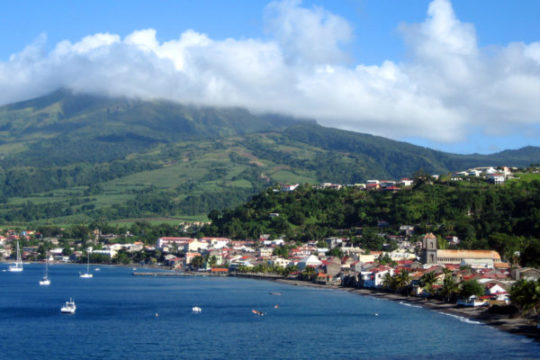
1 – Saint-Pierre (also above)

Saint-Pierre, on the north-west coast below Mont Pelée, was Martinique’s economic and cultural capital, known as the “Little Paris of the Antilles”, and the Dublin-raised writer Lafcadio Hearn lived here in 1887–89, describing it in Two Years in the French West Indies (1890).
The town of Saint-Pierre was rebuilt among its ruins, which include the shell of its 800-seat theatre, while the wrecks of ships sunk in 1902 lie protected in the bay, and the volcano and northern peaks became a UNESCO World Heritage Site in 2023.
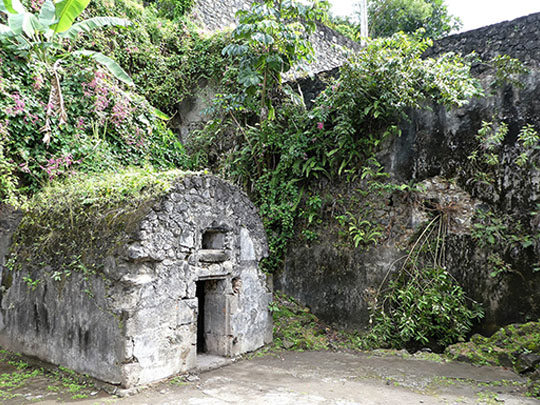
Shortly after 8 a.m. on 8 May 1902, a pyroclastic flow from Mont Pelée destroyed Saint-Pierre and killed an estimated 28,000 people, the deadliest volcanic disaster of the 20th century, and one of the few survivors was Louis-Auguste Cyparis, shielded by the walls of his solitary cell.
2 – Fort-de-France
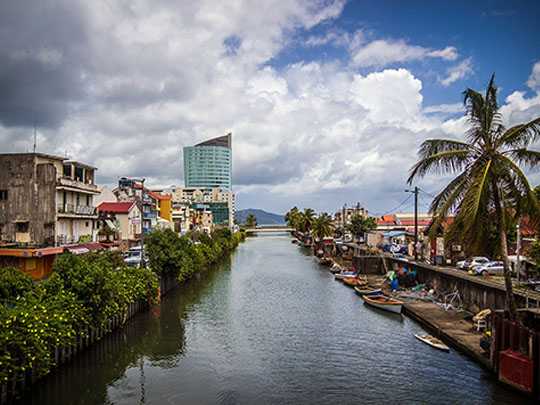

Fort-de-France, founded as Fort-Royal on a deep bay on the west coast, was the seat of government from 1692 and took over Saint-Pierre’s role as the main commercial city after 1902, while in June 1940 the cruiser Émile Bertin landed more than 250 tonnes of Banque de France gold here, stored at Fort Desaix.
The centre of Fort-de-France is La Savane, a park edged by the Cathédrale Saint-Louis, rebuilt in 1895 with a 57 m metal spire, and the Bibliothèque Schœlcher, designed by Pierre-Henri Picq, first put up in Paris and shown at the 1889 World Exposition, then shipped across and opened here in 1893.
A marble statue of Joséphine, seen by many Martinicans as a symbol of the restoration of slavery in 1802, stood in La Savane of Fort-de-France from 1859 until it was beheaded in 1991 and pulled down in July 2020.
3 – Diamond Rock
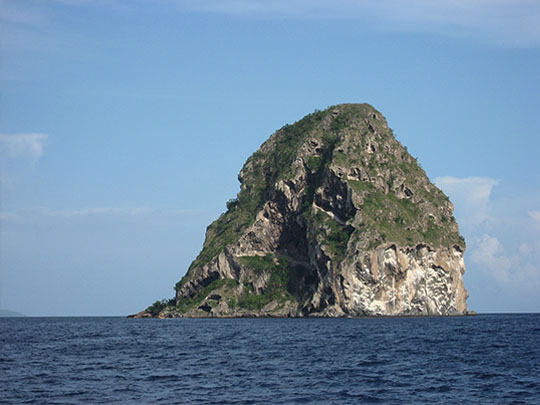

Diamond Rock, a volcanic rock rising 175 m out of the sea about 2 km off the south coast, commands the southern approach to Fort-de-France, which is why a Royal Navy landing party from HMS Centaur seized it on 7 January 1804.
Landing on Diamond Rock was banned in 2008 to protect a reserve for nesting seabirds such as brown boobies and noddies, possibly the last refuge of a Martinique snake not seen since 1968.
The British hauled cannon to the summit of Diamond Rock and commissioned it as the sloop HMS Diamond Rock, and its garrison of about 120 men under Lieutenant James Wilkes Maurice held out for 17 months until Villeneuve’s fleet forced its surrender on 2 June 1805, months before Trafalgar.
4 – Trois-Îlets
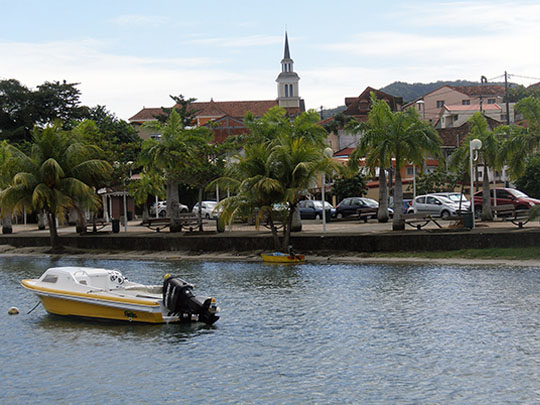

Trois-Îlets, across the bay from Fort-de-France, was a sugar-growing parish served by Jesuit priests from 1683, and Joséphine, the future empress, was born on its La Pagerie estate on 23 June 1763.
At the Domaine de la Pagerie in Trois-Îlets, the great house was destroyed by a hurricane in 1766, but the old kitchens hold a museum with Joséphine’s childhood bed, letters from Napoleon and an inventory of the people enslaved on the estate.
Joséphine was baptised in the village church of Trois-Îlets, where her parents had married in 1761 and her mother is buried, and nearby the Savane des Esclaves, begun by Gilbert Larose in 2000, recreates the village life of the enslaved.