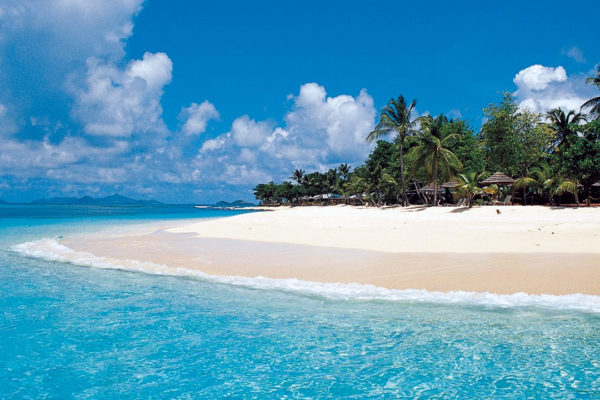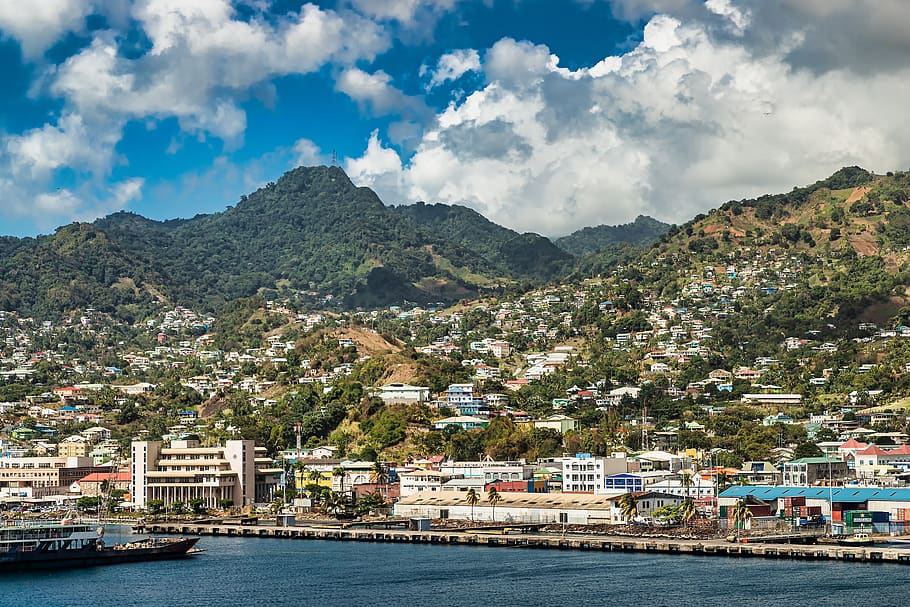
Wikimedia Commons / CC-BY-SA-3.0 / GFDL
Capital: Kingstown
Population: 100,000+
Language: English
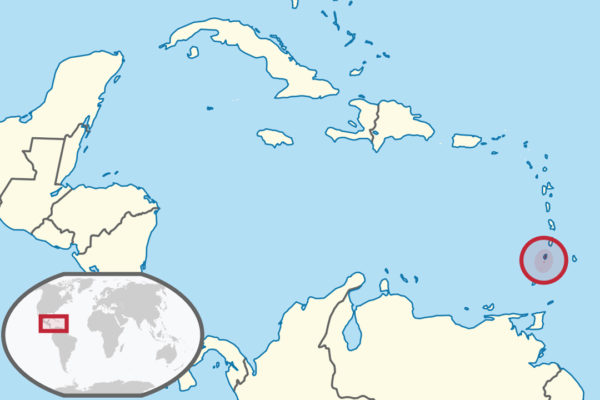
1 – Kingstown (above)
The capital sits in a bowl of steep hills around a bay on the south-west coast, founded by French settlers in the 1720s and British for most of the two centuries that followed.
It’s a working port town of arcaded stone buildings and covered walkways, with Fort Charlotte on the ridge 600 feet above and, on the northern edge, the botanic gardens, laid out in 1765 and usually called the oldest in the western hemisphere.
In 1793 Captain Bligh finally delivered his breadfruit here, on the second attempt after the Bounty mutiny ended the first — and a tree grown from those original plants is still alive in the gardens, the thing every guide takes you to see first.
2 – La Soufrière
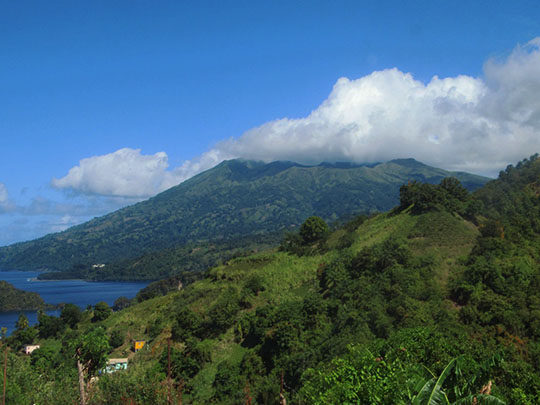
The volcano fills the whole northern third of Saint Vincent and has shaped the island’s history more than any governor: its 1902 eruption killed well over a thousand people, and it has gone off roughly every century since records began.
You can climb it from either coast in a few hours, up through rainforest and then bare ash to the rim of a crater a mile across, with the sea on both sides.
It erupted again in April 2021 after 42 years quiet, throwing ash six miles into the air and forcing about 16,000 people out of the north of the island — cruise ships were sent to help take them off.
3 – Bequia
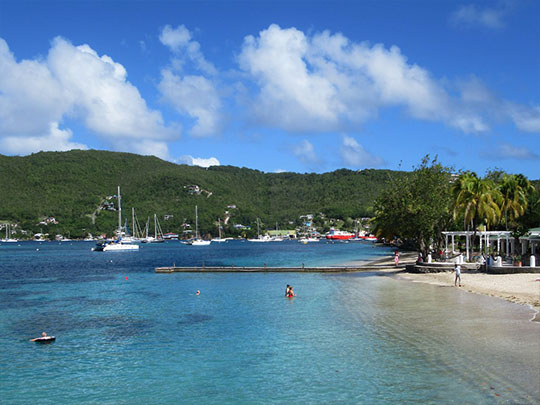
Nine miles south of Saint Vincent, Bequia is the largest of the Grenadines and the most seafaring place in the eastern Caribbean: its men learned whaling from New England crews in the 19th century and have hunted humpbacks in open boats ever since.
Port Elizabeth wraps around Admiralty Bay, full of yachts, with a walkway round the shore to Princess Margaret Beach, boatbuilders’ sheds, model-boat workshops and a turtle sanctuary along the way.
The International Whaling Commission allows Bequia four humpbacks a year under aboriginal subsistence rules — hand-thrown harpoons from open boats, no engines — and the quota is almost never filled; whalers have averaged roughly one whale every other year.
4 – Tobago Cays
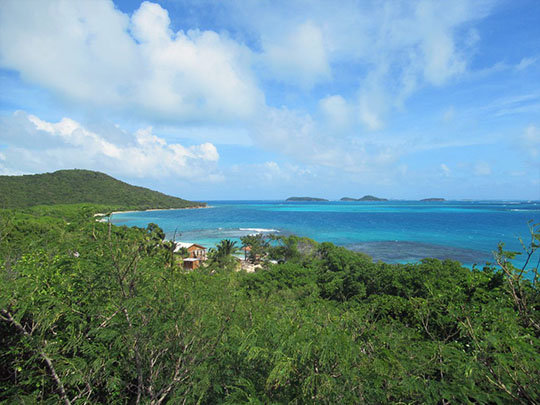
Five uninhabited cays sit inside a three-mile crescent of coral called Horseshoe Reef, in the southern Grenadines, protected as a marine park since 1998.
You come by boat, anchor in water the colour of antifreeze, and swim with green turtles over the seagrass — there’s no hotel, no shop, no jetty, just a few beaches and whoever is grilling lobster off a boat that day.
The outermost cay, Petit Tabac, is the sandbar Jack Sparrow gets marooned on in the first Pirates of the Caribbean — the one where Elizabeth Swann burns the rum.