
Wikimedia Commons / CC-BY-SA-3.0 / GFDL
Capital: Abu Dhabi
Population: 11.2 million+
Language: Arabic

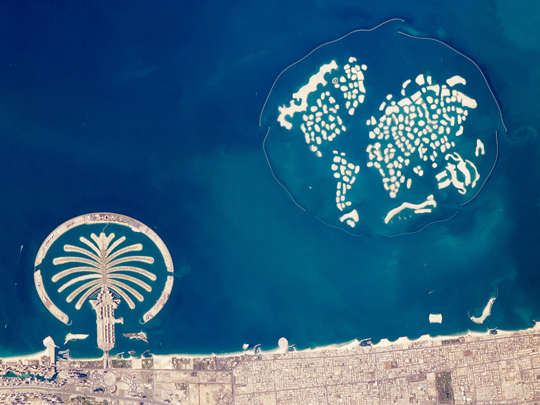
1 – The World & Palm Islands (above)
The Palm and World islands lie off the coast of Dubai, built by the government developer Nakheel from 2001 — Palm Jumeirah alone took some 94 million cubic metres of sand dredged from the seabed and seven million tonnes of rock, and its first residents moved in in 2006.
Palm Jumeirah is a trunk and sixteen fronds of villas and about thirty hotels inside a breakwater crescent, Atlantis at its tip, while the World’s 300 or so islands, shaped as a map of the continents a few kilometres offshore, are reached only by boat — the larger Palm Jebel Ali, abandoned in the 2008 crash, was relaunched in 2023.
The World was meant to be sold country by country, and Ireland was bought in 2007 by a consortium led by the Galway developer John O’Dolan, with plans that included a replica Giant’s Causeway — then Dubai’s property crash came, and the island named Ireland is still bare sand, with only a handful of the World’s 300 islands built on.
2 – Burj Khalifa
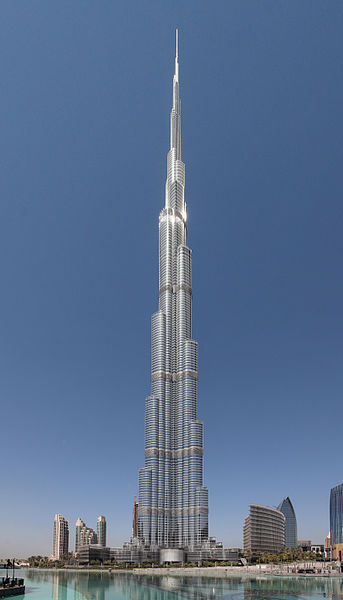
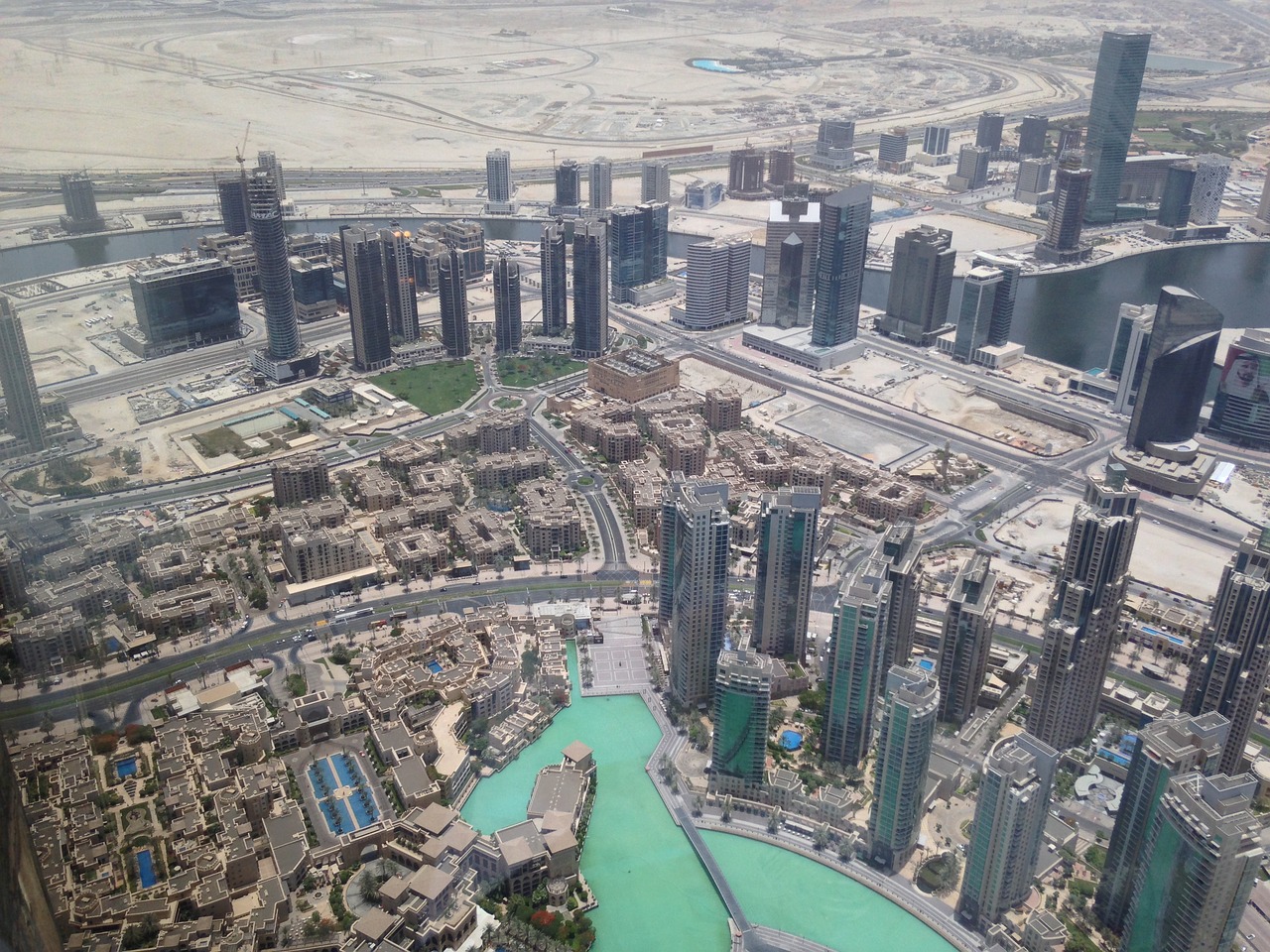
Burj Khalifa in downtown Dubai is the tallest building in the world at 828 metres, opened in January 2010 and built by an international contracting team with a workforce of South Asian labourers, about 2,500 of whom rioted on the site in 2006 over late and unpaid wages of around four dirhams an hour.
Burj Khalifa’s observation decks are on levels 124 and 125, at 452 metres, and level 148, at 555, looking down on the Dubai Fountain at the tower’s foot, and the tower’s Y-shaped plan is said by its architects, SOM, to have been inspired by the spider lily.
Burj Khalifa was called Burj Dubai until the day it opened, when it was renamed after Sheikh Khalifa, ruler of Abu Dhabi — the neighbouring emirate that had just lent Dubai $10 billion to rescue it from its debt crisis — and about 244 metres of it, almost three-tenths, is spire that nobody can occupy.
3 – Sharjah

Sharjah, Dubai’s northern neighbour, is the UAE’s self-styled cultural capital, named Arab Capital of Culture in 1998 and Capital of Islamic Culture in 2014, and the only emirate where alcohol is banned outright; its ruler since 1972, Sheikh Sultan bin Muhammad Al Qasimi, holds two doctorates in history.
In Sharjah you can see the rebuilt Al Hisn fort, the Museum of Islamic Civilisation in an old souq building, the restored lanes of the Heart of Sharjah, and the Al Qasba canal lined with cafés — and inland, Faya, whose rock shelters hold more than 200,000 years of human traces, became the UAE’s second World Heritage Site in 2025.
Sharjah had the UAE’s first airport and first hotel: in October 1932 the Imperial Airways airliner Hanno landed here on the London–India route, the passengers stayed overnight in a fortified rest house, and that rest house is now the Al Mahatta Museum, with the old runway turned into a city street.
4 – Wild Wadi Water Park
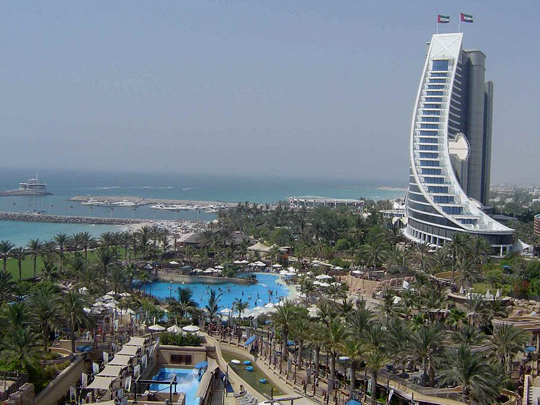
Wild Wadi Water Park lies on Jumeirah Beach in Dubai, at the foot of the Burj Al Arab, opened in the late 1990s alongside the hotel and themed around a wadi, a desert river valley, as if the water flowed down from the mountains.
Wild Wadi’s rides include the Jumeirah Sceirah, a near-vertical slide that drops from a 33-metre tower, rebuilt in 2012, and a wave pool and lazy river that wind between the rides — check it’s open before you go, because it closes for maintenance and has had longer closures.
Wild Wadi’s neighbour, the sail-shaped Burj Al Arab, is famous as the world’s only seven-star hotel — a label first used by a British journalist at its opening in 1999 that never existed as an official rating; the hotel is rated five stars, and about 39% of its height is decorative structure that no one can use.
5 – Jebel Hafeet
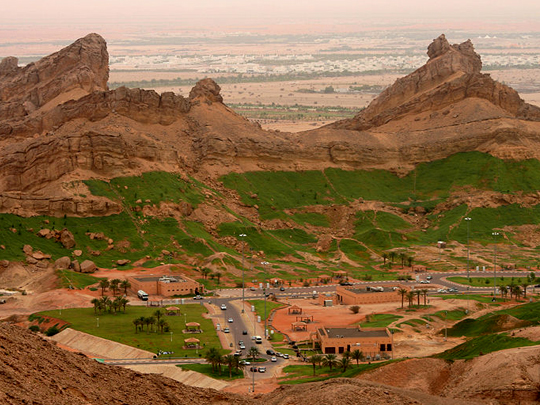
Jebel Hafeet rises to about 1,240 metres on the UAE–Oman border above the oasis city of Al Ain, a mountain of folded limestone that was once seabed, and at its foot lie some 500 beehive-shaped stone tombs from about 3200 to 2600 BC, part of the Cultural Sites of Al Ain World Heritage Site, listed in 2011.
Jebel Hafeet is climbed by an 11.7-kilometre road with 60 bends, built in 1980 and praised by the American car site Edmunds as one of the greatest driving roads in the world, and at the bottom the Green Mubazzarah park has hot springs at around 40°C.
Jebel Hafeet’s tombs were found in 1959 by the Danish archaeologist P. V. Glob, and the pottery inside — some of it from Mesopotamia — shows that people living at the foot of a desert mountain five thousand years ago were trading with the first cities of Iraq.
6 – Abu Dhabi
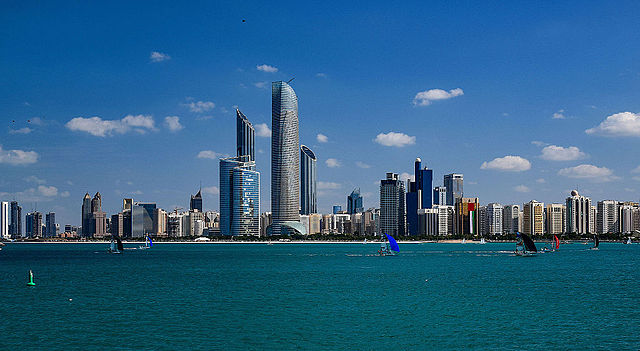
Abu Dhabi is the largest of the seven emirates and the UAE’s capital, an island town that lived on pearls and fishing until oil was found offshore at Umm Shaif in 1958 — the first cargo left Das Island in July 1962, nine years before the emirates federated in 1971.
In Abu Dhabi the white Sheikh Zayed Grand Mosque, opened in 2007, holds what is usually called the world’s largest hand-knotted carpet, made in Iran by about 1,200 weavers, and on Saadiyat Island the Louvre Abu Dhabi sits under a 180-metre dome that throws a “rain of light” through 7,850 stars — with a Guggenheim by Frank Gehry due next door.
Abu Dhabi’s oldest building is Qasr al-Hosn, begun in 1761 as a watchtower guarding the island’s only freshwater well and enlarged into the ruling family’s fort and seat of government until 1966 — the whole city grew up around a well.