
Wikimedia Commons / CC-BY-SA-3.0 / GFDL
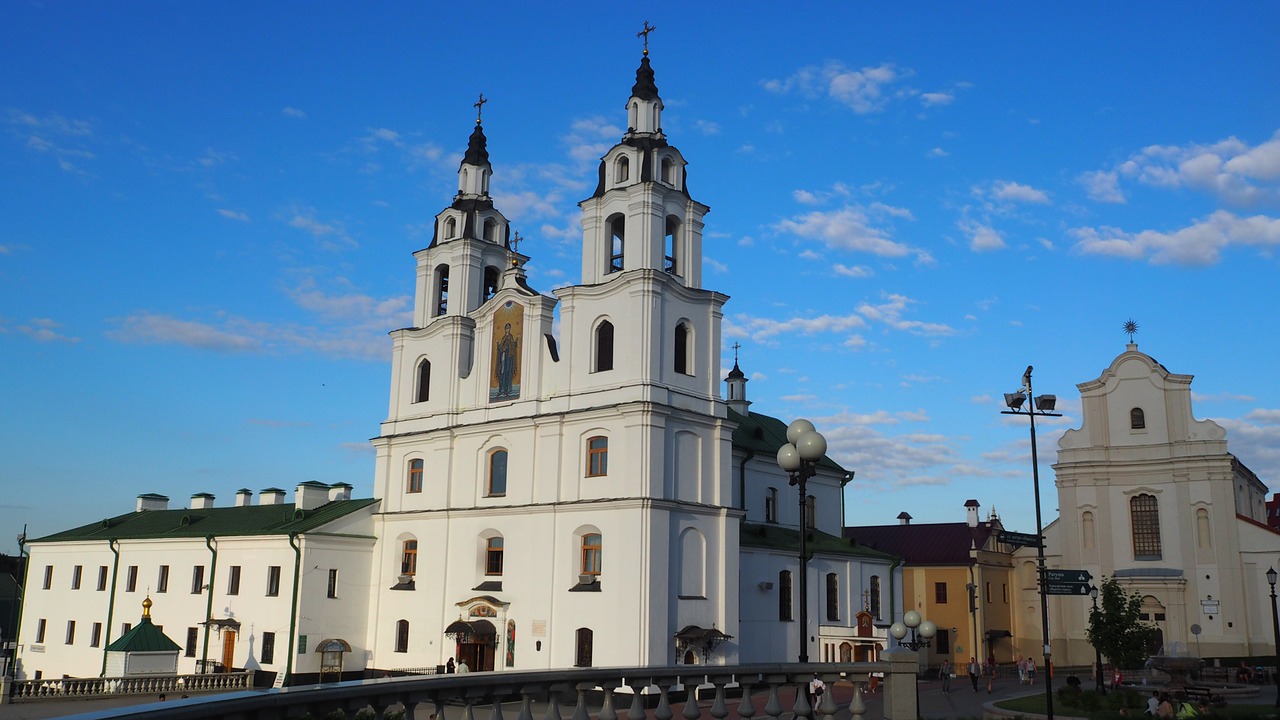
Capital: Minsk
Population: 9.1 million+
Language: Belarusian/Russian
1 – Minsk (above)
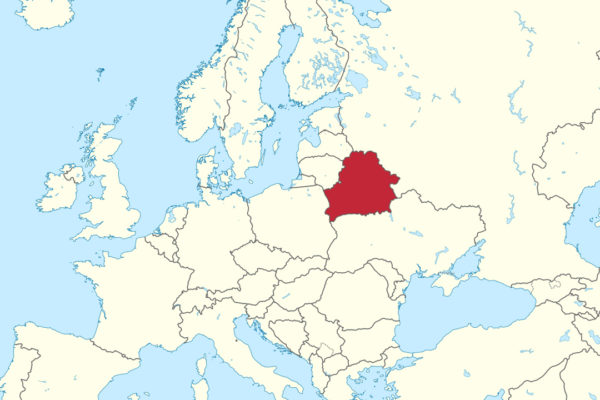
Minsk, on the Svislach river, first appears in the chronicles in 1067, when rival princes fought on the Nemiga river and burned “Mensk”, and in WWII roughly 80% of its housing was reduced to rubble, so the city was rebuilt almost from scratch in grand Stalinist style.
Walk the wide boulevards of Independence Avenue, visit the Great Patriotic War Museum and the Island of Tears memorial to the Soviet–Afghan war, look out over Minsk from the diamond-shaped National Library (2006), and stroll the Trinity Suburb, which looks old but is largely a 1980s reconstruction.
Lee Harvey Oswald lived in Minsk from 1960 to 1962, working in a radio and TV factory and marrying Marina Prusakova, and his diary complained of a city with no nightclubs and nothing to do but trade-union dances.
2 – Nesvizh Castle
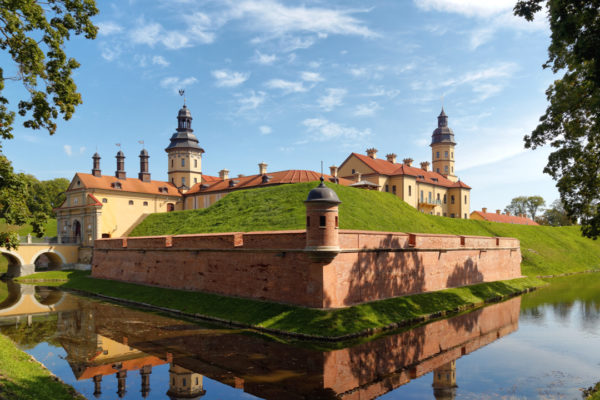
Nesvizh Castle, south-west of Minsk, was the seat of the mighty Radziwiłł family from the 16th century until 1939, begun around 1583 by Mikołaj Krzysztof “Sierotka” Radziwiłł, and UNESCO listed the complex in 2005.
Cross the moat into Nesvizh’s courtyard of linked palace buildings and landscaped park, then visit the Jesuit Corpus Christi Church (1587–93), modelled on Il Gesù in Rome and one of the earliest Baroque churches outside Italy, with a crypt holding some 70 Radziwiłłs.
Nesvizh is said to be haunted by a Black Lady, the ghost of Barbara Radziwiłł, Queen of Poland, though she died in 1551 and was buried in Vilnius Cathedral, not at Nesvizh.
3 – Barysaw (Borisov)
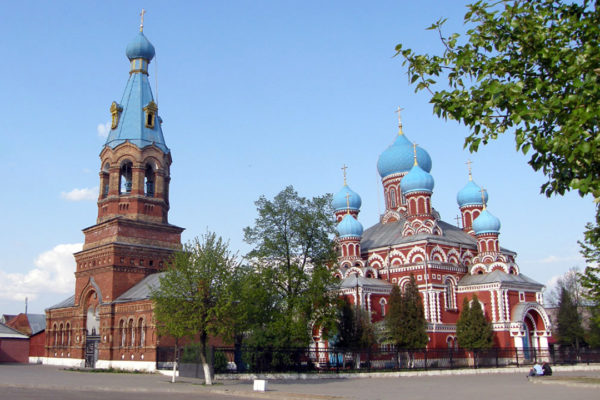
Barysaw sits on the Berezina river north-east of Minsk, traditionally founded in 1102 by Prince Boris of Polotsk, and in November 1812 Napoleon’s retreating army fought its way across the river near here.
Visit Barysaw’s Resurrection Cathedral, then head upriver to Studzianka, where memorials and the Brilevo Field mark the site of the 1812 crossing.
Napoleon feinted a crossing at Barysaw while engineers built two bridges at Studzianka, about 15 km upstream, and although his army escaped, the losses were so terrible that “c’est la Bérézina” became French for a total disaster.
4 – Mogilev
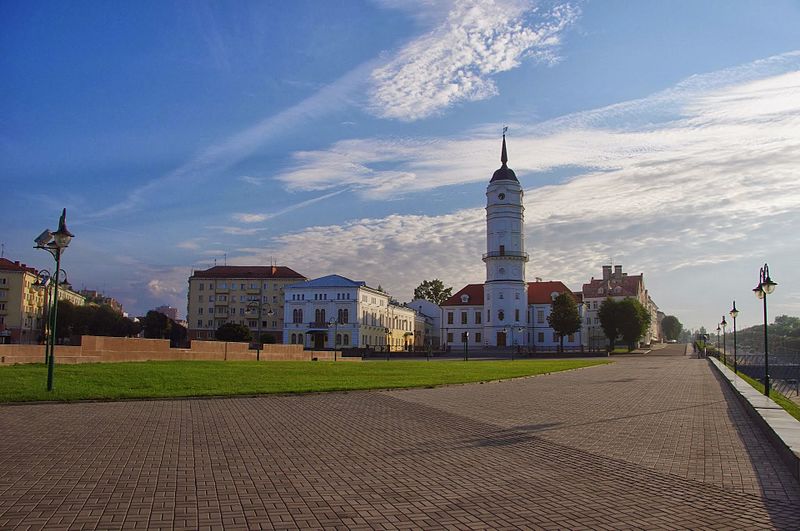
Mogilev, on the Dnieper in eastern Belarus, was first recorded in 1267, and in 1780 Catherine the Great met Holy Roman Emperor Joseph II here, with Joseph travelling incognito as “Count Falkenstein”.
See Mogilev’s rebuilt Town Hall, the 17th-century St Nicholas Convent, and the Buynichi Field memorial outside town, where Soviet troops held up the German advance in July 1941 and where the writer Konstantin Simonov asked for his ashes to be scattered.
From 1915 Mogilev was the headquarters of the Russian Imperial Army, where Nicholas II spent long spells as commander-in-chief, and in March 1917 he left Mogilev, abdicated on his train at Pskov, and returned only to say goodbye to his troops.
5 – Grodno

Grodno sits on the Neman close to the Polish and Lithuanian borders, first mentioned in 1127–28, and it was here that King Stefan Báthory died in 1586, the Commonwealth’s last Sejm met in 1793, and Stanisław August, the last king of Poland, abdicated in 1795.
See the Old and New Castles above the river, the Jesuit Baroque St Francis Xavier Cathedral (1678–1705), and the Great Synagogue, first built in 1578.
Grodno’s 12th-century Kalozha Church lost its south wall when a landslide sent it into the Neman in 1853, and its walls are studded with coloured stones and clay jugs built in as resonators to improve the acoustics.
6 – Vitebsk
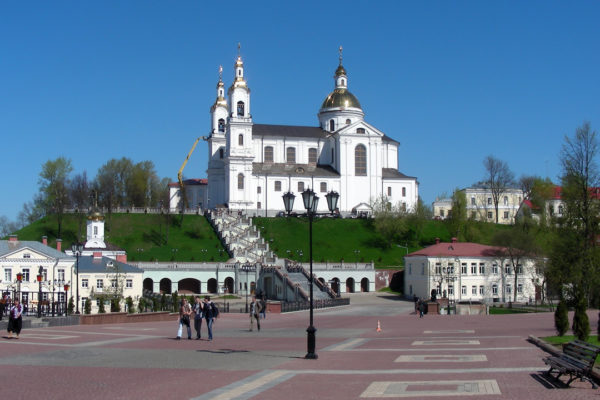
Vitebsk stands where the Vitba meets the Western Dvina, first recorded in 1021, and by 1897 just over half its people were Jewish, among them the family of Marc Chagall, born in or near Vitebsk in 1887.
Visit the Marc Chagall House Museum at 11 Pokrovskaya Street, the house his father built, and the Chagall Art Centre, then see the rebuilt 12th-century Church of the Annunciation.
In 1918–19 Chagall founded an art school in Vitebsk and invited Kazimir Malevich and El Lissitzky to teach, but Malevich’s Suprematist group, UNOVIS, took over and Chagall left for Moscow in 1920.
7 – Mir Castle
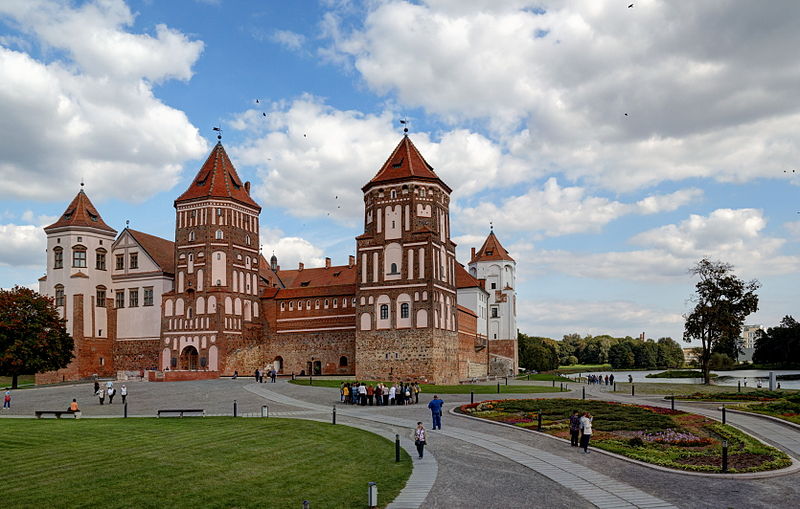
Mir Castle was begun around 1500 by the Ilinich family, passed to the Radziwiłłs and later the Sviatopolk-Mirsky family, and its mix of Gothic, Renaissance and Baroque earned it a UNESCO listing in 2000.
Explore Mir Castle’s red-brick towers and courtyard, the Renaissance palace wing, the moat and the park, after its long abandonment following damage in the 1812 war.
In 1942 the Nazis confined about 800 of Mir’s Jews inside the castle, and Oswald Rufeisen, a Jew posing as a Pole and working as a police interpreter, warned them of the planned massacre and smuggled in weapons, so around 200 escaped before the remaining people were shot.
8 – Gomel
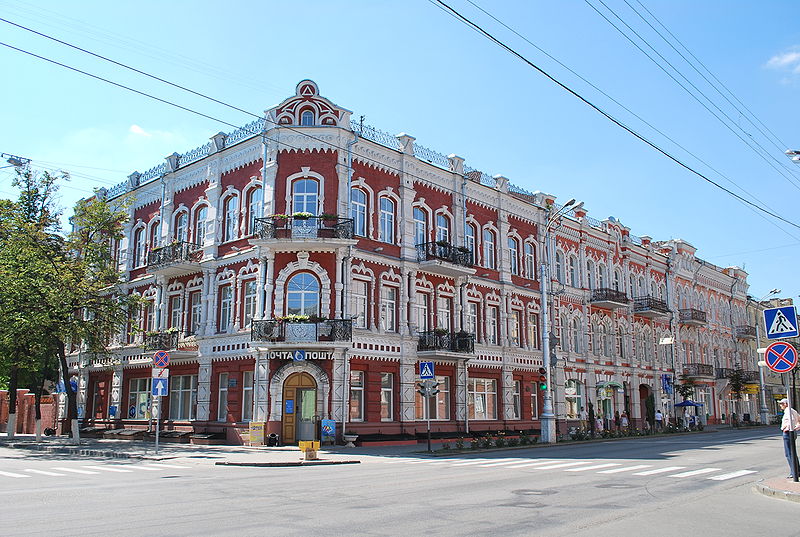
Gomel, on the Sozh river, was given by Catherine the Great to Field Marshal Pyotr Rumyantsev in 1775, and the family and later Field Marshal Ivan Paskevich turned it into a grand estate town.
Walk the Rumyantsev–Paskevich palace and park above the Sozh, begun in 1777, and visit the Cathedral of Sts Peter and Paul (1809–19), commissioned by Count Nikolai Rumyantsev.
The Gomel region was among the areas hardest hit by fallout from the 1986 Chernobyl disaster, and in 1991 Adi Roche founded Chernobyl Children International in Cork, which went on to bring tens of thousands of children from affected areas to Ireland for rest and recuperation.
9 – Białowieża Forest
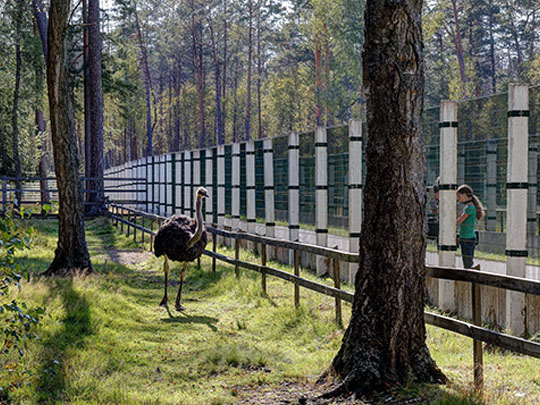
Białowieża Forest straddles the border with Poland in south-west Belarus, one of the last and largest remaining parts of the primeval forest that once covered the European lowlands, and UNESCO extended its listing to the Belarusian side in 1992.
Walk or cycle Białowieża’s trails among oaks some 500 years old, visit the Museum of Nature, and see the European bison, the heaviest wild land animals in Europe, in their enclosures and roaming the forest.
Białowieża’s last wild bison were killed around 1919–21, and the species survived only in zoos until animals were brought back and released here, and it was at Viskuli, a state hunting lodge in the forest, that the leaders of Russia, Ukraine and Belarus signed the accords that dissolved the Soviet Union on 8 December 1991.
10 – Polotsk
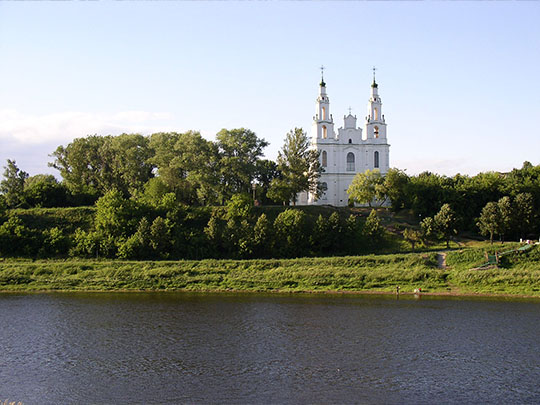

Polotsk, on the Western Dvina, first appears in the Primary Chronicle in 862, which makes it the oldest city in Belarus by its first written mention, and in the 11th and 12th centuries it was the capital of the powerful Principality of Polotsk.
See Polotsk’s St Sophia Cathedral, built in 1044–66 and rebuilt in Baroque style in the 18th century, the Saviour Church at the Euphrosyne Convent with its 12th-century frescoes, and a monument to Ў, a letter no other Slavic alphabet uses.
Polotsk was the birthplace of Francysk Skaryna, who printed the first Bible in an East Slavic language in Prague from 1517, and its 2008 sign marking “the geographical centre of Europe” is just one of many rival claims across the continent.
11 – Brest Fortress
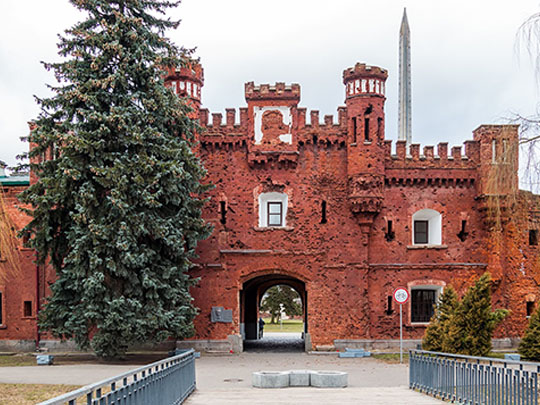
Brest Fortress stands where the Bug and Mukhavets rivers meet on the Polish border, built in the 1830s–40s on the site of old Brest, and on 3 March 1918 the Treaty of Brest-Litovsk, which took Soviet Russia out of World War I, was signed here.
Enter through the bullet-scarred Kholm Gate, past the ruins of the White Palace to the memorial complex opened in 1971, with the giant stone head of “Courage”, the “Thirst” soldier crawling for water, and a bayonet-shaped obelisk about 100 m tall.
In September 1939 German and Soviet officers held a joint handover of Brest Fortress, often called a “parade”, and when Germany attacked in June 1941 the main defence lasted about a week, so the later legend that nobody surrendered doesn’t hold up, as about 6,800 defenders were captured.
12 – Lida Castle
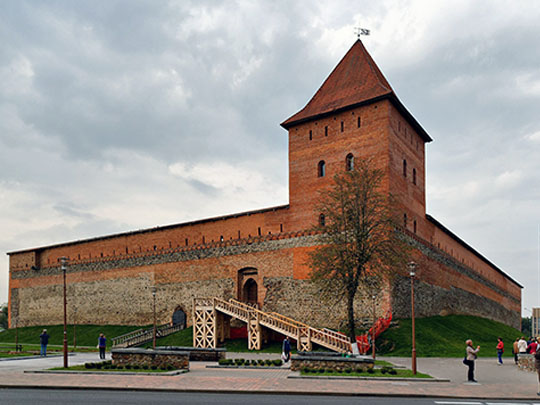
Lida Castle, in Grodno region, was begun around 1323 on the orders of Grand Duke Gediminas of Lithuania as part of a defensive line against the Teutonic Knights, who nonetheless took it in 1384.
Walk Lida Castle’s courtyard inside walls of fieldstone faced with brick, about 12 m high and 2 m thick, with corner towers rebuilt in red brick during restoration.
Lida Castle survived sieges by Teutonic Knights, Muscovite armies and Swedes, but some of its worst damage came in the early 1890s, when after a town fire locals pulled down a tower and parts of the walls for building stone.