
Wikimedia Commons / CC-BY-SA-3.0 / GFDL
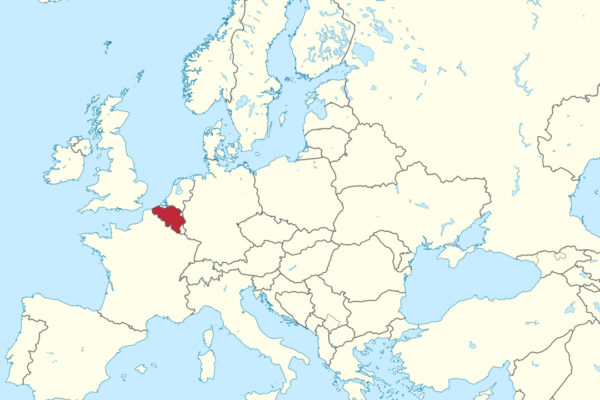
Capital: Brussels
Population: 11.8 million+
Language: Dutch/French/German
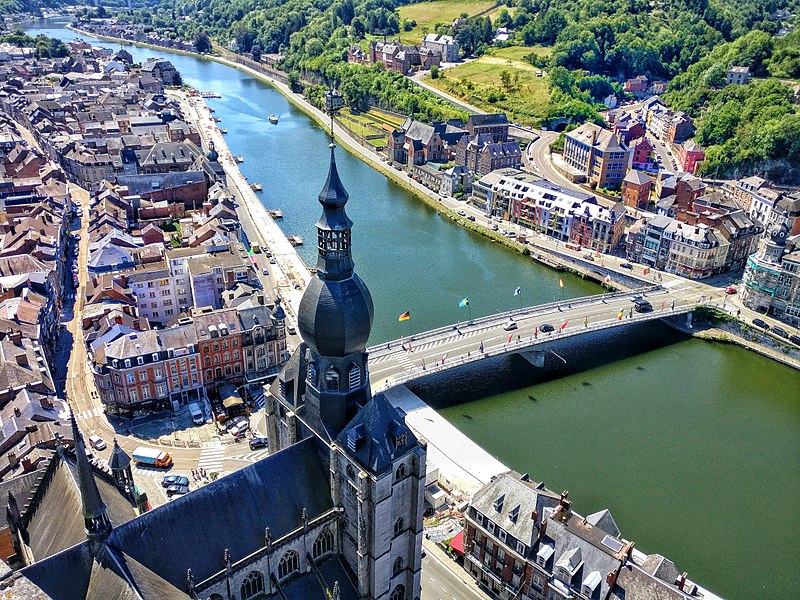
1 – Dinant (also above)
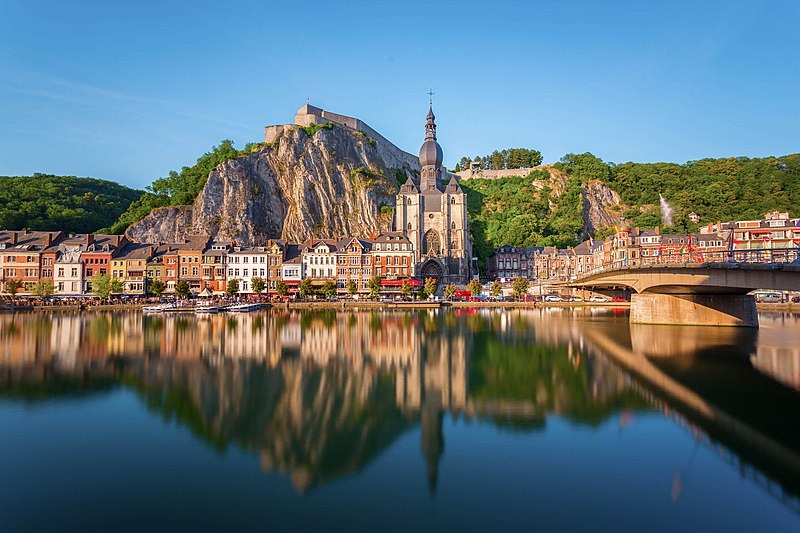
Dinant squeezes between the Meuse and a sheer cliff in Wallonia, gave its name to dinanderie, the medieval brassware its craftsmen made, and on 23 August 1914 German troops killed 674 of its civilians.
Climb the 408 steps to Dinant’s citadel above the onion-domed Collegiate Church of Notre-Dame, visit the Maison de Monsieur Sax, and walk the bridge lined with giant saxophones.
Dinant’s Bayard Rock is said to have been split by a kick from the legendary horse Bayard, though the gap was cut by Louis XIV’s troops for a road, and the town’s most famous son, Adolphe Sax, born here in 1814, patented the saxophone in 1846.
2 – Liège
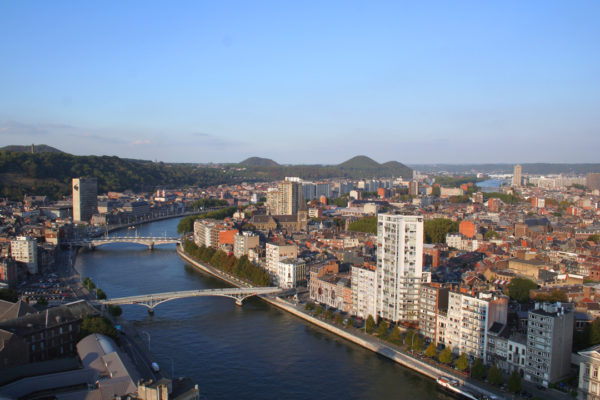
Liège sits where the Ourthe meets the Meuse, the capital for some eight centuries of a prince-bishopric, an independent church state that lasted until the 1790s, and in 1468 Charles the Bold took the city and largely destroyed it.
See the Palace of the Prince-Bishops on Place Saint-Lambert, the Sunday market of La Batte along the river, and the Montagne de Bueren, a 374-step staircase straight up the hillside.
The Montagne de Bueren honours the 600 Franchimontois, who made a night raid on Charles the Bold in 1468, but they didn’t climb it, as it was built in 1881, while the café liégeois, according to tradition, was renamed from “café viennois” by Parisians honouring Liège’s resistance in 1914.
3 – Durbuy
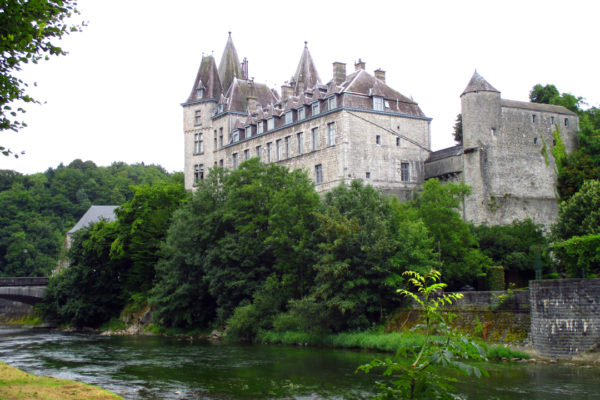
Durbuy, on the Ourthe in the Belgian Ardennes, was granted town status in 1331 by John the Blind, Count of Luxembourg and King of Bohemia, and its castle, owned by the Counts of Ursel, was rebuilt in its present form in 1880–82.
Wander Durbuy’s cobbled lanes below the castle, which is a private home, then visit the Topiary Park, with more than 250 clipped box figures, some over a century old.
Durbuy proudly bills itself as the smallest town in the world, with a few hundred people in its old centre, though Belgium’s official smallest city is Mesen and several other towns across Europe claim the title too.
4 – Antwerp

Antwerp, on the Scheldt, was one of Europe’s leading trading and banking centres in the 16th century, until the Spanish Fury of 1576, its fall to Spain in 1585 and the closing of the Scheldt to shipping brought the boom to an end.
See the Cathedral of Our Lady, whose 123 m spire is billed as the tallest church tower in the Benelux and which holds three Rubens altarpieces, the Plantin-Moretus Museum, UNESCO’s only surviving printing house from the Renaissance and Baroque, and Central Station, nicknamed the “railway cathedral”.
Antwerp’s Brabo Fountain shows the legend that Brabo cut off a giant’s hand and threw it in the river, giving the city its name from “hand werpen”, but linguists trace the name to “aan de werpen”, meaning at the wharf.
5 – Bruges

Bruges was a medieval trading powerhouse and home to a major Hanseatic trading post, until its channel to the sea silted up in the late 15th century, freezing the city in time, and UNESCO listed its historic centre in 2000.
Climb Bruges’s 83 m Belfry, see the Basilica of the Holy Blood, whose procession files through town every Ascension Day, the béguinage, and Michelangelo’s Madonna and Child in the Church of Our Lady, the first of his sculptures to leave Italy.
Bruges gave the world the word “bourse”, traced to a square named after the Van der Beurze family, whose inn hosted merchants trading there, and the Belfry is the setting for the climax of In Bruges (2008), Martin McDonagh’s film starring Colin Farrell and Brendan Gleeson as two Irish hitmen.
6 – Ghent
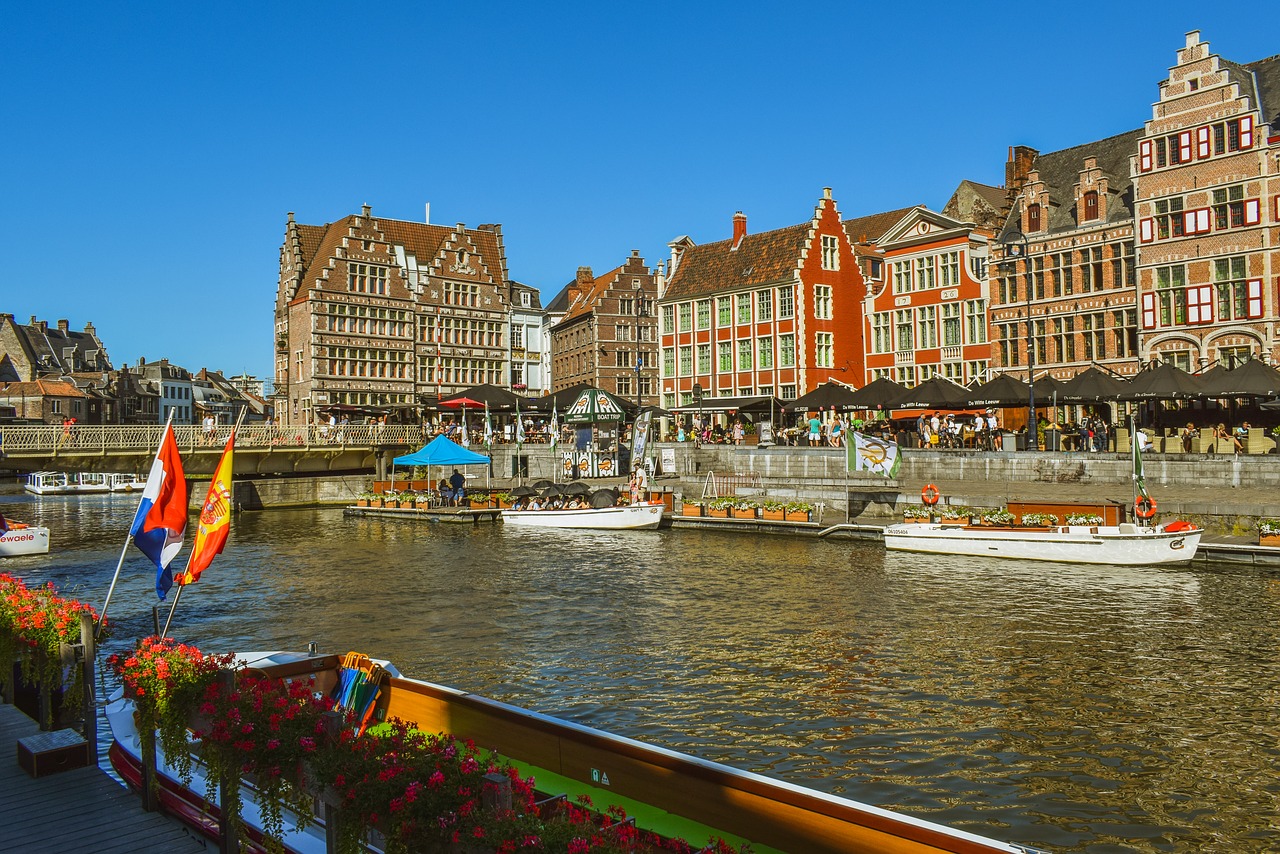
Ghent grew where the Scheldt meets the Lys, and in the Middle Ages it was one of the largest cities in northern Europe, birthplace of Emperor Charles V in 1500.
Ghent’s treasure is the van Eyck brothers’ Ghent Altarpiece, the Adoration of the Mystic Lamb, installed in St Bavo’s in 1432, and you can also explore the Gravensteen castle of 1180, the Belfry, and the guild houses of the Graslei and Korenlei.
The Ghent Altarpiece is often called the most stolen artwork, and its Just Judges panel, stolen in 1934, has never been found, while Ghent’s people are nicknamed “noose-bearers” after Charles V made rebels parade in nooses to beg forgiveness in 1540.
7 – Namur
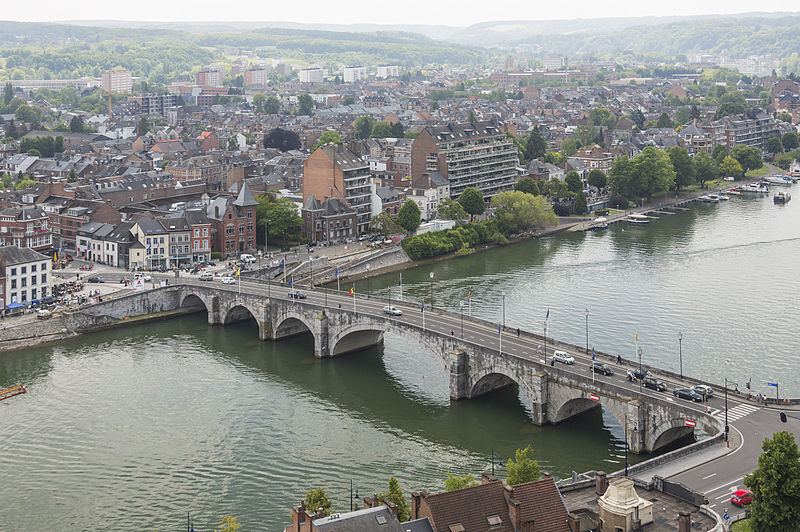
Namur, capital of Wallonia, stands where the Sambre meets the Meuse beneath a citadel that is one of the largest in Europe, besieged by Louis XIV in 1692 and retaken by William III in 1695.
Explore Namur’s citadel and its kilometres of tunnels, cross the 16th-century Pont de Jambes, and catch the town’s stilt jousters, a tradition recorded by 1411 and on UNESCO’s intangible heritage list.
The 1695 siege of Namur earned Hamilton’s regiment the title “Royal Regiment of Ireland” and the motto Virtutis Namurcensis Praemium, “reward for valour at Namur”, and Clonmel-born Laurence Sterne gave his Uncle Toby in Tristram Shandy a wound from the same siege.
8 – Brussels
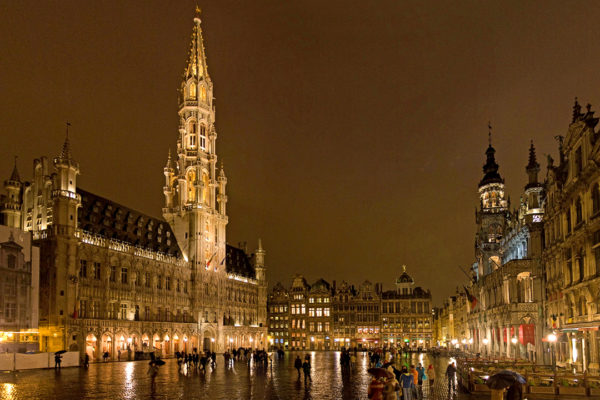
Brussels traditionally dates its founding to 979, from a chapel on an island in the Senne, and grew into the capital of Belgium and the seat of the European Union’s main institutions.
Start at the Grand-Place, UNESCO-listed in 1998 and rebuilt by the guilds within a few years after Louis XIV’s army bombarded it in 1695, then see the Manneken Pis, the Atomium from the 1958 World’s Fair, and Victor Horta’s Art Nouveau houses.
The Manneken Pis on the street corner in Brussels is a 1965 replica, as the 1619 bronze original is kept in the City Museum, and the little statue owns around 1,000 costumes, the first given in 1698.
9 – Leuven
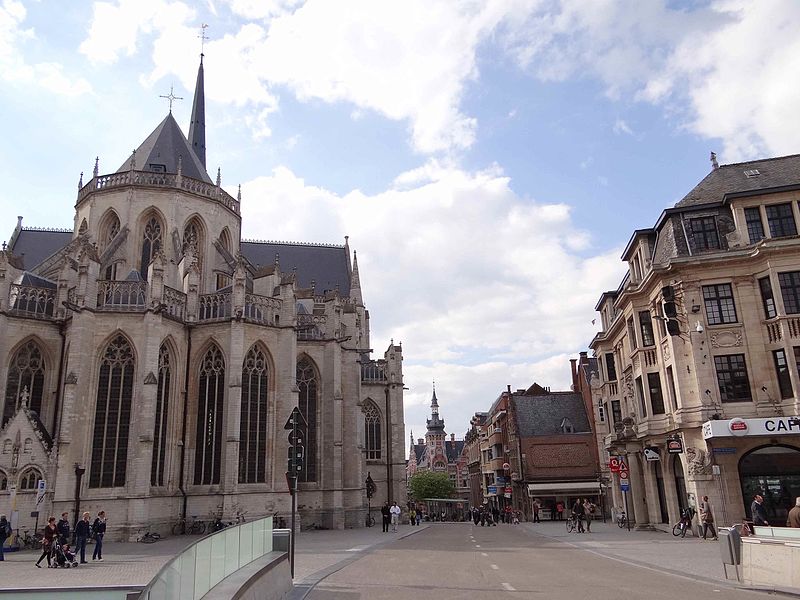
Leuven, in Flemish Brabant, is home to the oldest university in the Low Countries, founded in 1425, whose library German troops burned in August 1914, destroying about 300,000 books.
See Leuven’s Gothic Town Hall with its 236 statues, the rebuilt University Library paid for largely with American donations, and the Groot Begijnhof, a 13th-century béguinage UNESCO listed in 1998.
Leuven’s St Anthony’s College was founded in 1607 for Irish Franciscans, the Flight of the Earls spent the winter of 1607–08 in the town, and it was from here that Mícheál Ó Cléirigh was sent home in 1626 to gather the manuscripts behind the Annals of the Four Masters.
10 – Ostend (Oostende)
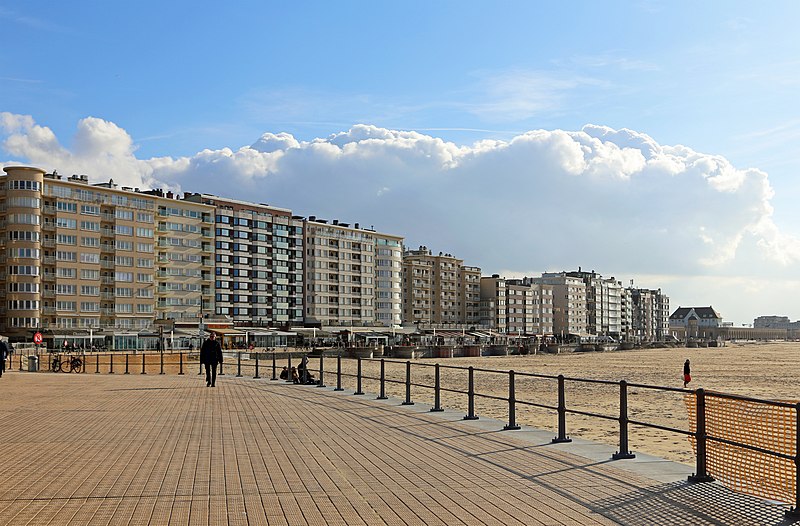
Ostend (Oostende), the largest town on the Belgian coast, survived the siege of 1601–04, one of the longest in history, and in 1722 became home to the Ostend Company, which grew rich on the China tea trade.
Walk the Albert I Promenade, visit the James Ensor House, the painter’s home in the town where he was born in 1860, and Fort Napoleon, built in 1811 against a feared British attack.
Marvin Gaye moved to Ostend in 1981 and stayed about 18 months, writing “Sexual Healing” there, which went on to win two Grammys.
11 – Ypres and the Menin Gate
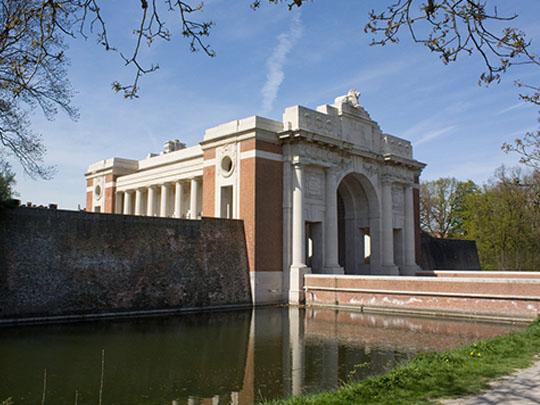
Ypres (Ieper), in West Flanders, sat at the heart of the Ypres Salient in World War I and was almost completely flattened by shellfire, and it was near Ypres that the first large-scale chlorine gas attack came on 22 April 1915.
See the Cloth Hall, a faithful rebuild of the medieval original finished in 1967 and home to the In Flanders Fields Museum, and the Menin Gate, unveiled in 1927 and carved with the names of more than 54,000 soldiers with no known grave, where the Last Post has sounded almost every evening since 1928.
From 1682 Ypres was home to the Irish Dames, a Benedictine community of Irish nuns, who fled when the town was shelled in 1914 and settled at Kylemore Abbey in Connemara in 1920, bringing with them a flag said to have been captured by the Irish Brigade at Ramillies in 1706.
12 – Waterloo
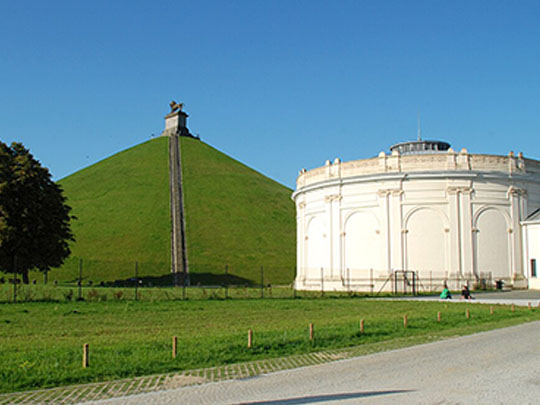
Waterloo, south of Brussels, gave its name to the battle of 18 June 1815 where Wellington and Blücher ended Napoleon’s career, though most of the fighting took place a few kilometres away, and the battle is named after Waterloo because that’s where Wellington wrote his victory dispatch.
Visit the Wellington Museum in the inn where he stayed, then head to the battlefield’s Memorial 1815, the walled farm of Hougoumont, and the Lion’s Mound, 43 m high with 226 steps.
Wellington was born in Dublin in 1769, and at Waterloo the 27th (Inniskilling) Regiment held its square at the centre of the line, losing about two-thirds of its men, in what Wellington called saving the centre of his line.
13 – Tournai
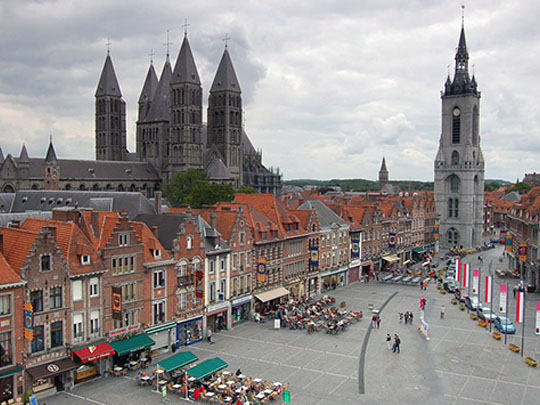
Tournai, on the Scheldt in Hainaut, began as Roman Tornacum and was the early capital of the Frankish king Childeric I, and from 1513 to 1519 it belonged to Henry VIII, billed as the only Belgian city ever ruled by England.
Tournai’s Cathedral of Notre-Dame, with its five towers, Romanesque nave and Gothic choir, is UNESCO-listed, and its belfry, begun around 1188, is considered the oldest in Belgium.
Near Tournai at Fontenoy, on 11 May 1745, the Irish Brigade in French service made the charge credited with breaking the British-led column, by tradition crying “Cuimhnígí ar Luimneach” (“Remember Limerick”), and Childeric’s tomb, found in Tournai in 1653, held gold bees that Napoleon later took as his emblem.
14 – Mons
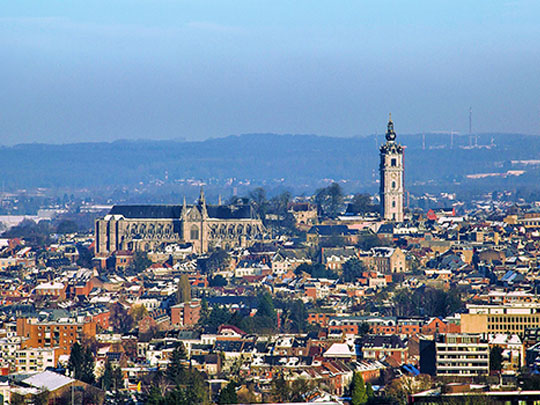
Mons, in Hainaut, saw the British Army’s first major battle of World War I on 23 August 1914, and the first British shot of the war was fired nearby at Casteau the day before, by the 4th (Royal Irish) Dragoon Guards.
See Mons’s 87 m Baroque Belfry, UNESCO-listed in 1999, the St Symphorien cemetery, where British and German soldiers lie side by side, and, on Trinity Sunday, the Doudou, when St George fights the dragon on the Grand-Place.
At Mons, Lt Maurice Dease, born in Co. Westmeath, was mortally wounded holding the Nimy bridge and became one of the two first Victoria Cross recipients of the war, while the “Angels of Mons” who supposedly shielded the British began as Arthur Machen’s short story “The Bowmen”.
15 – Bastogne
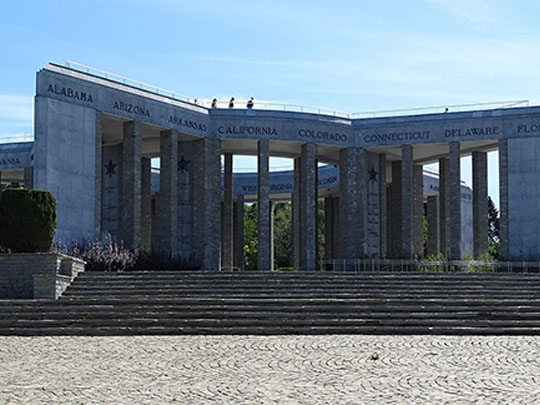
Bastogne, a market town in the Belgian Ardennes, was surrounded in December 1944 during the Battle of the Bulge, when the US 101st Airborne held it until the 4th Armored Division broke through on 26 December.
Visit Bastogne’s star-shaped Mardasson Memorial (1950), carved with the names of the 48 states of the time and honouring the 76,890 Americans killed, wounded or missing in the battle, and the Bastogne War Museum beside it.
When the Germans demanded Bastogne’s surrender on 22 December 1944, General Anthony McAuliffe’s typed reply read simply “NUTS!”, and when the puzzled Germans asked what it meant, an American colonel told them it meant “Go to hell”.
16 – Spa
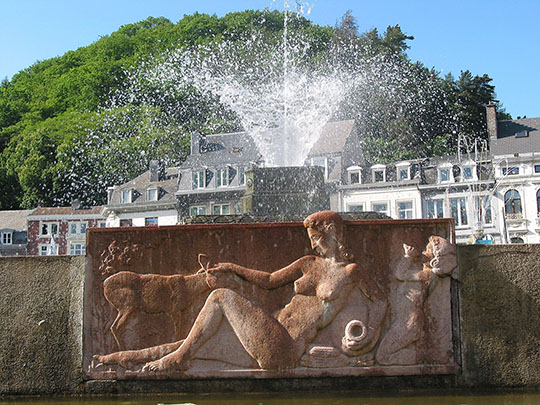
Spa, in the Ardennes of Liège province, gave its name to health resorts worldwide, with its iron-rich springs often identified with one described by Pliny the Elder, and Peter the Great’s cure here in 1717 made the town famous across Europe.
Take the waters at the thermal baths in a town UNESCO listed among the Great Spa Towns of Europe in 2021, see the Pouhon Pierre-le-Grand fountain house, and head out to the nearby Spa-Francorchamps circuit, home of the Belgian Grand Prix and the Eau Rouge bend.
“Spa” doesn’t stand for “Sanitas Per Aquam”, which is a modern invention, and in 1918 Spa was the German Army’s headquarters, from which Kaiser Wilhelm II left for exile in the Netherlands the day after his abdication was announced.
17 – Mechelen
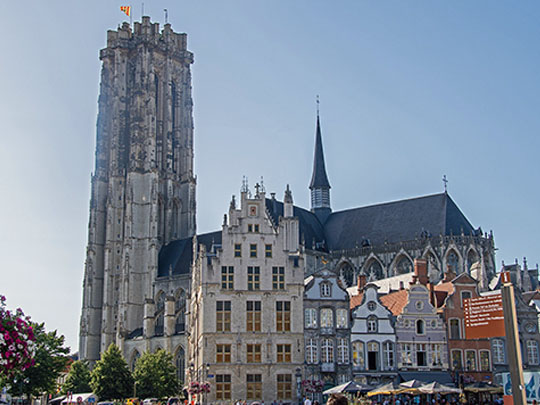
Mechelen, between Brussels and Antwerp, was effectively the capital of the Low Countries under the regent Margaret of Austria from 1507 to 1530, where she raised the future Charles V, and from 1942 to 1944 the Kazerne Dossin barracks was the Nazi transit camp from which more than 25,000 Jews and about 350 Roma and Sinti were deported to Auschwitz.
Climb the 514 steps of St Rumbold’s Cathedral tower, about 97 m tall with two carillons, and visit Margaret’s palace, the Hof van Savoye, and Kazerne Dossin’s memorial museum.
St Rumbold’s tower was designed to reach about 167 m, which is why it ends in a flat top, and Mechelen’s people are nicknamed “Maneblussers” (moon-extinguishers) after a legend that in 1687 they climbed it with buckets to fight a fire that turned out to be moonlight.
18 – Bouillon
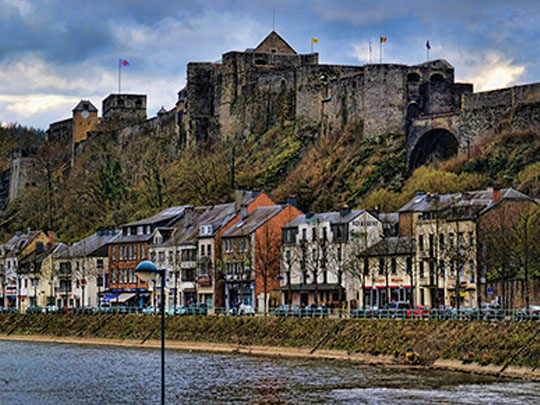

Bouillon sits in a tight loop of the Semois near the French border, below a castle first recorded in 988, which Godfrey of Bouillon sold to the Prince-Bishop of Liège around 1096 to pay for his part in the First Crusade.
Explore Bouillon Castle’s rock-cut passages and towers, adapted for artillery by Vauban, who called Bouillon “the key to the Ardennes”, then catch the falconry displays and follow the river below.
After taking Jerusalem in 1099, Godfrey of Bouillon refused to be called king, taking the title “Advocate of the Holy Sepulchre” instead, and Bouillon itself was a sovereign duchy under French protection until France annexed it in 1795.