
Wikimedia Commons / CC-BY-SA-3.0 / GFDL
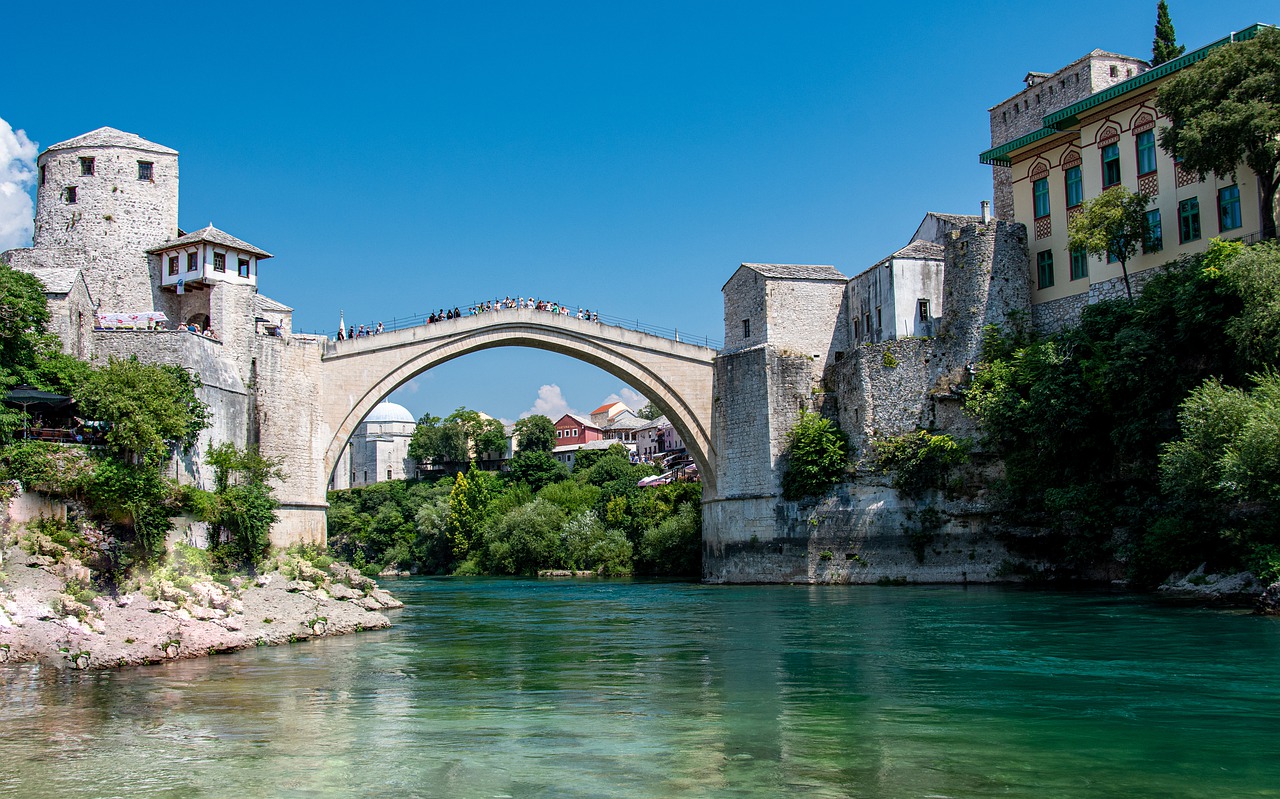
Capital: Sarajevo
Population: 3.3 million+
Language: Bosnian/Croatian/Serbian
1 – Mostar (also above)
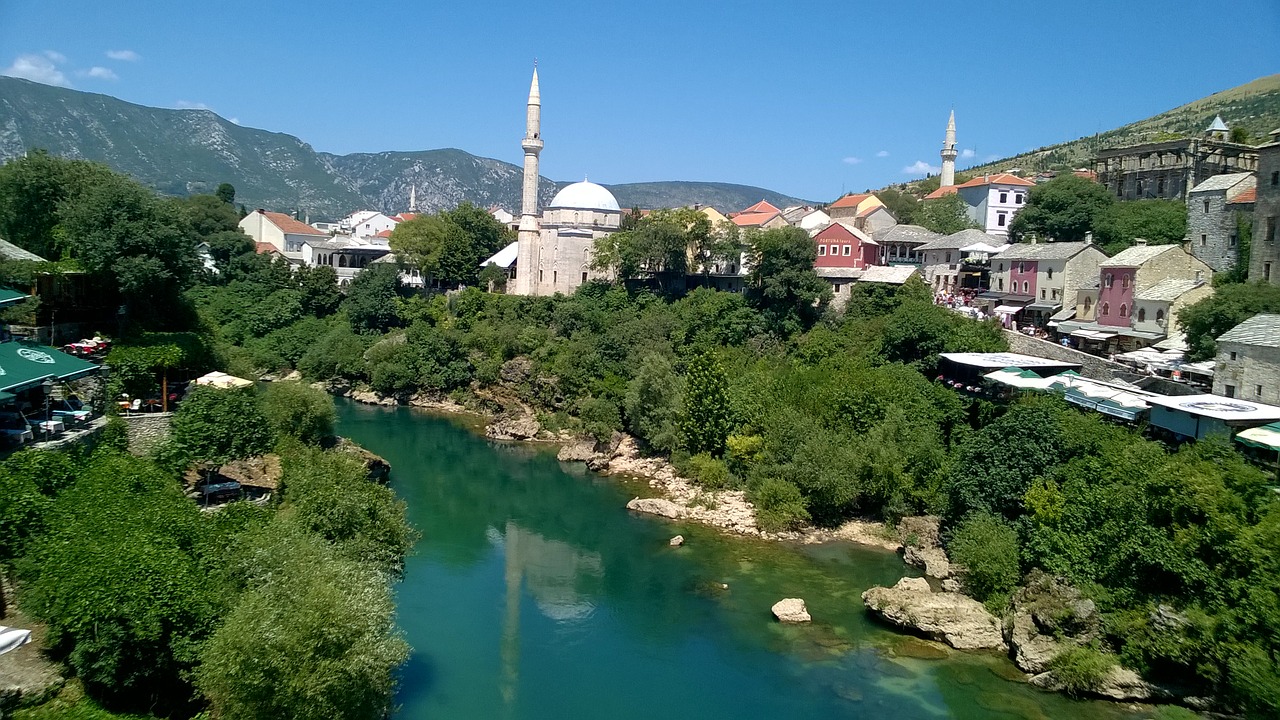
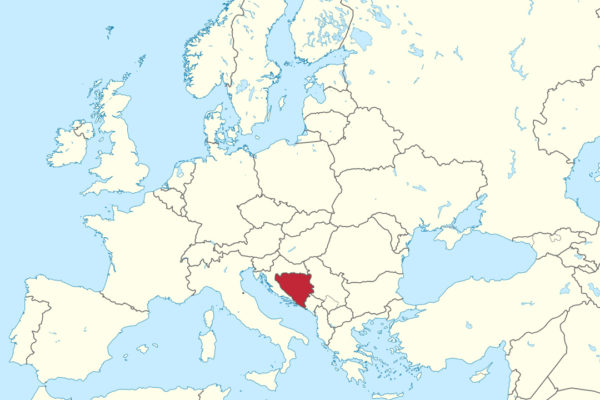
Mostar, on the Neretva, is the historic capital of Herzegovina, named after the “mostari” who kept its bridge, and on 9 November 1993 its 16th-century Old Bridge collapsed under shelling by Bosnian Croat forces.
Stand on Mostar’s Stari Most (Old Bridge), built in the 1560s by Mimar Hayruddin for Suleiman the Magnificent and rebuilt using Ottoman techniques and local stone before reopening in 2004, then climb the minaret of the Koski Mehmed Pasha Mosque for the classic view and wander the Kujundžiluk bazaar.
Mostar’s divers have been leaping about 24 m from the Old Bridge into the cold Neretva for centuries, a tradition first described by the Ottoman traveller Evliya Çelebi in 1664.
2 – Sarajevo
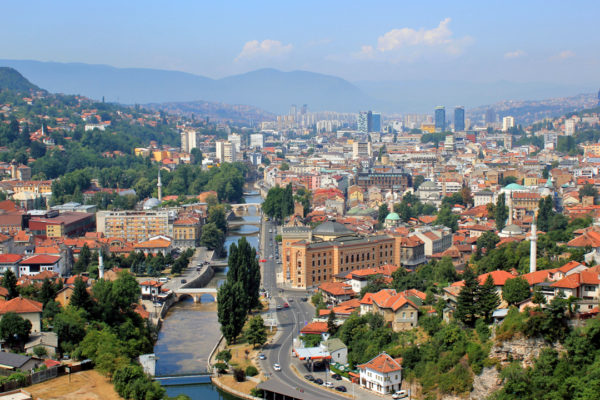
Sarajevo was founded by the Ottomans in the early 1460s, and on 28 June 1914 Gavrilo Princip shot Archduke Franz Ferdinand near its Latin Bridge, while from April 1992 to February 1996 the city endured a siege often called the longest of a capital city in modern warfare, with about 11,500 killed by Britannica’s count.
Wander Sarajevo’s Baščaršija bazaar, the Gazi Husrev-beg Mosque (1530s) and the Sebilj fountain, visit the Vijećnica, the neo-Moorish City Hall burned in August 1992 and restored, and walk part of the Tunnel of Hope dug under the airport during the siege.
The Sarajevo Haggadah, a Jewish manuscript made in Barcelona around 1350, was hidden from the Nazis by Muslim librarian Derviš Korkut, and the siege inspired U2’s “Miss Sarajevo” (1995), before the band played to about 45,000 people at Koševo Stadium in 1997.
3 – Visegrad
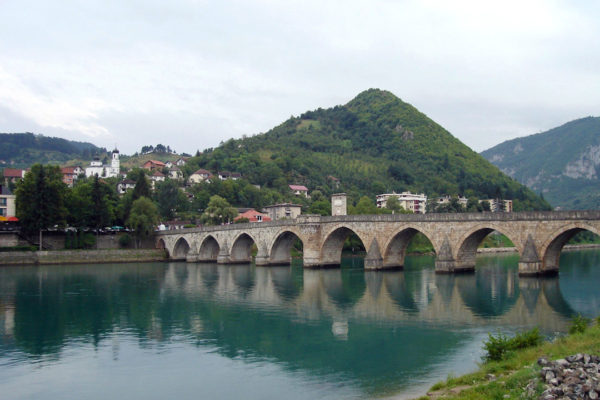
Višegrad sits on the Drina in eastern Bosnia, near the birthplace of Mehmed Paša Sokolović, a Christian boy taken into Ottoman service in the devshirme levy who rose to become grand vizier in 1565.
Višegrad’s sight is the Mehmed Paša Sokolović Bridge, built in 1571–77 by the great Ottoman architect Mimar Sinan, 179.5 m long with 11 arches, and UNESCO-listed in 2007.
Višegrad’s bridge is the hero of Ivo Andrić’s novel The Bridge on the Drina (1945), which follows four centuries of the town’s life across its stones and helped win Andrić the Nobel Prize in Literature in 1961.
4 – Trebinje
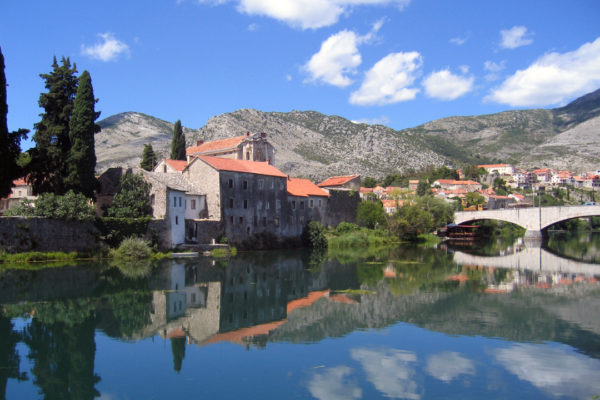
Trebinje lies on the Trebišnjica river in the far south of Bosnia and Herzegovina, about 30 km by road from Dubrovnik, an old Ottoman town nicknamed the “city of the sun and plane trees”.
Stroll Trebinje’s walled Old Town and shaded square, visit Hercegovačka Gračanica on Crkvina hill above town (2000), and the Tvrdoš monastery with its old wine cellars.
Trebinje’s Arslanagić Bridge, built in 1574, was flooded by a hydroelectric reservoir in 1965, so it was taken apart stone by stone and rebuilt across the river in the town centre.
5 – Pocitelj
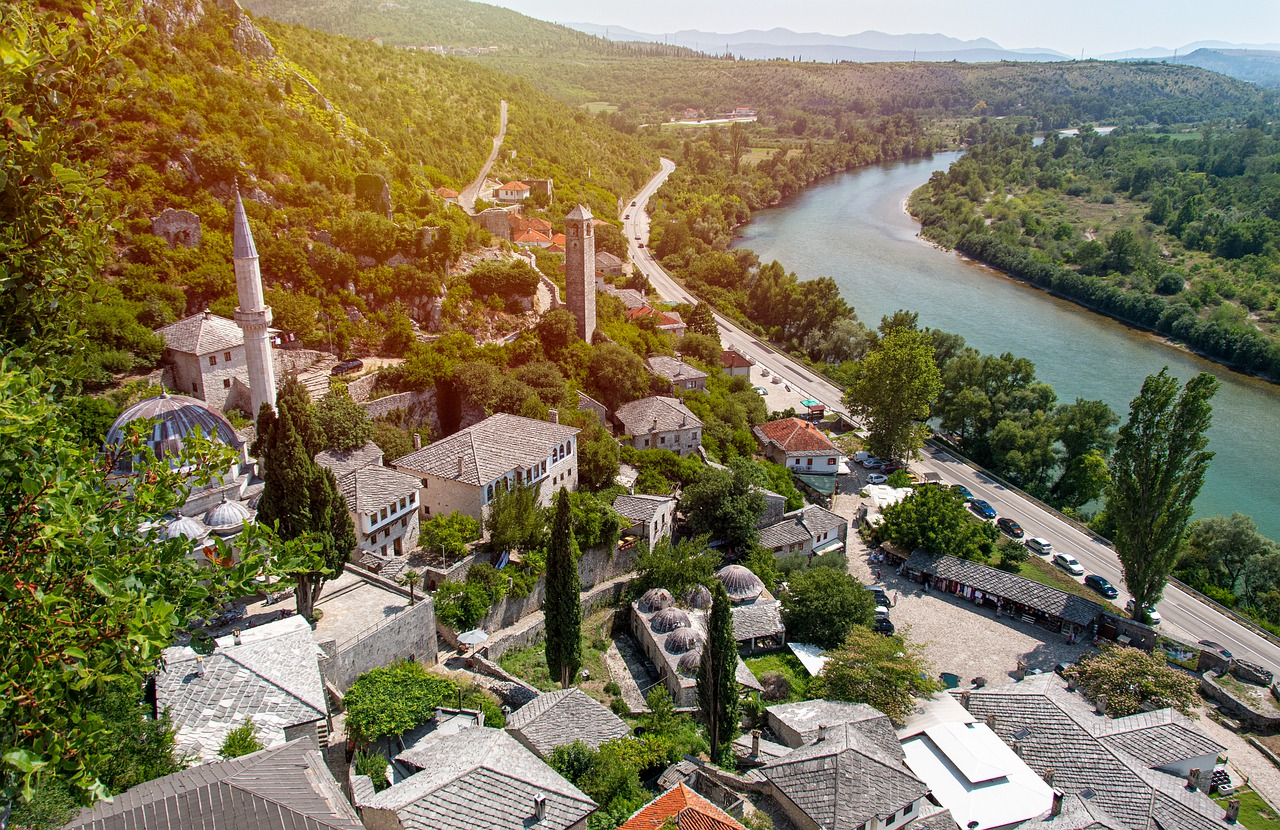
Počitelj is a walled hillside town on the Neretva about 30 km south of Mostar, probably fortified by King Tvrtko I around 1383 and taken by the Ottomans in 1471.
Climb Počitelj’s stone lanes to the Hadži Alija Mosque (1562–63), blown up in 1993 and rebuilt, the clock tower, and the Gavran-kapetan Tower high above the river.
Počitelj looks purely Ottoman but its fortress is medieval, and from 1961 its old houses became an artists’ colony that painters and sculptors kept coming back to for decades.
6 – Neum
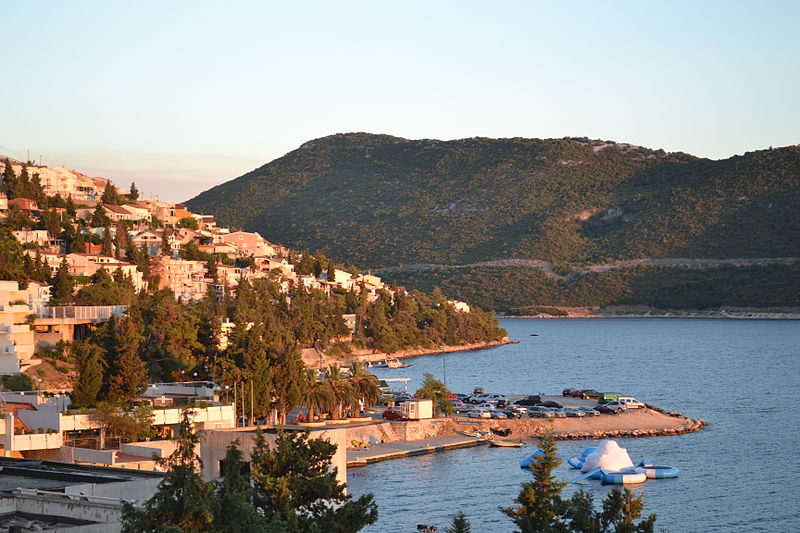
Neum is Bosnia and Herzegovina’s only town on the sea, sitting on about 20 km of Adriatic coast, one of the shortest national coastlines in the world, which splits Croatia’s coast in two.
Neum is a beach resort with a seafront promenade, the Church of Our Lady of Health, and medieval stećci tombstones and fortress ruins in the hills behind.
Neum’s strip of coast exists because the Republic of Ragusa (Dubrovnik) handed it to the Ottomans in the wake of the 1699 Treaty of Karlowitz, as a buffer to keep Venice’s territory from touching its own.
7 – Travnik
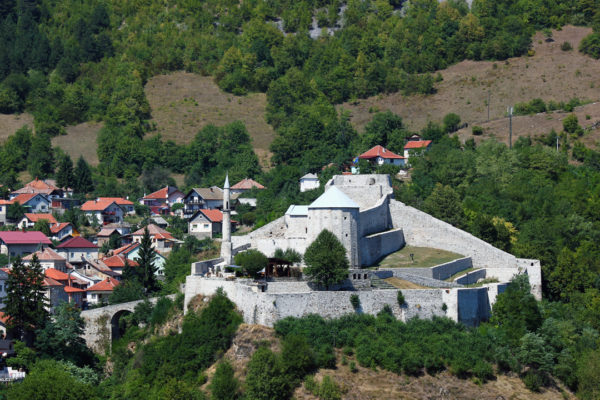
Travnik, below Mount Vlašić in central Bosnia, was the seat of the Ottoman viziers governing Bosnia from 1699 to about 1850, and France and Austria opened consulates in the town.
See Travnik’s Coloured Mosque (1757), with a small covered market built into it, the fortress above town, the Plava voda spring, and the Ivo Andrić birth house museum, a 1970s reconstruction on the site of the house where he was born in 1892.
Ivo Andrić’s novel Travnik Chronicle (1945), also published as Bosnian Chronicle, tells of the French and Austrian consuls posted to Travnik in Napoleon’s time.
8 – Jajce
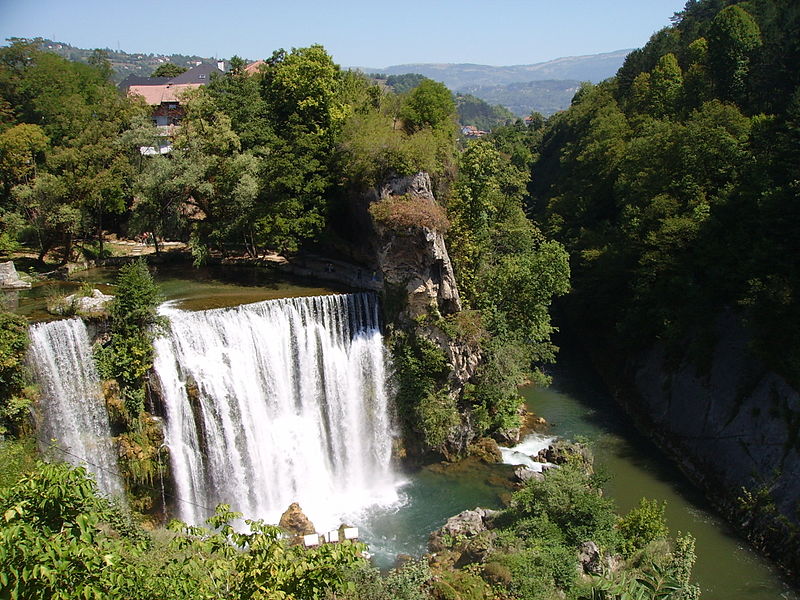
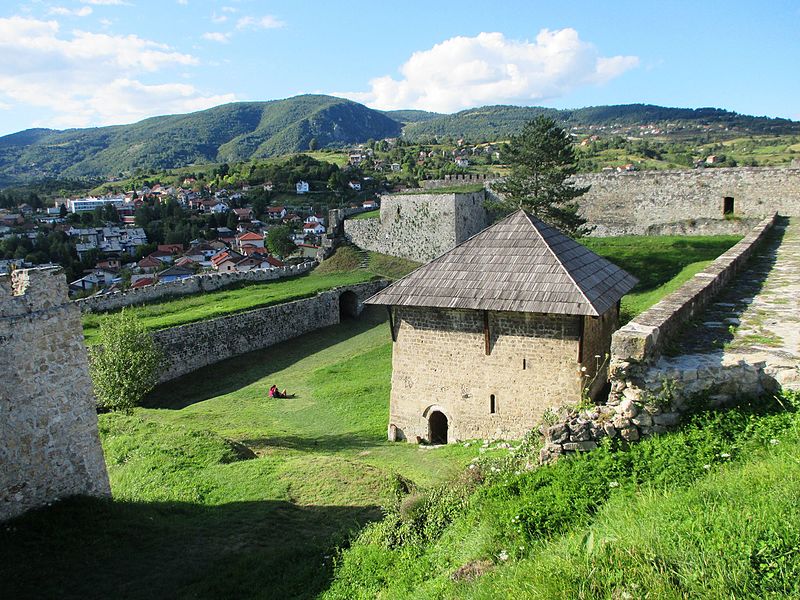
Jajce, where the Pliva meets the Vrbas, was the last royal seat of the medieval Bosnian kingdom, where Stjepan Tomašević was crowned in 1461 and beheaded by the Ottomans nearby in 1463.
See Jajce’s waterfall, where the Pliva drops about 22 m right in the town, the fortress above, the rock-cut catacombs of around 1400, and the small wooden watermills on the Pliva upstream.
Jajce’s Franciscan monastery displays a beheaded skeleton presumed to be the last Bosnian king, though the identification is far from certain, and on 29 November 1943 the AVNOJ council met in Jajce and agreed to form a federal Yugoslavia.
9 – Medugorje
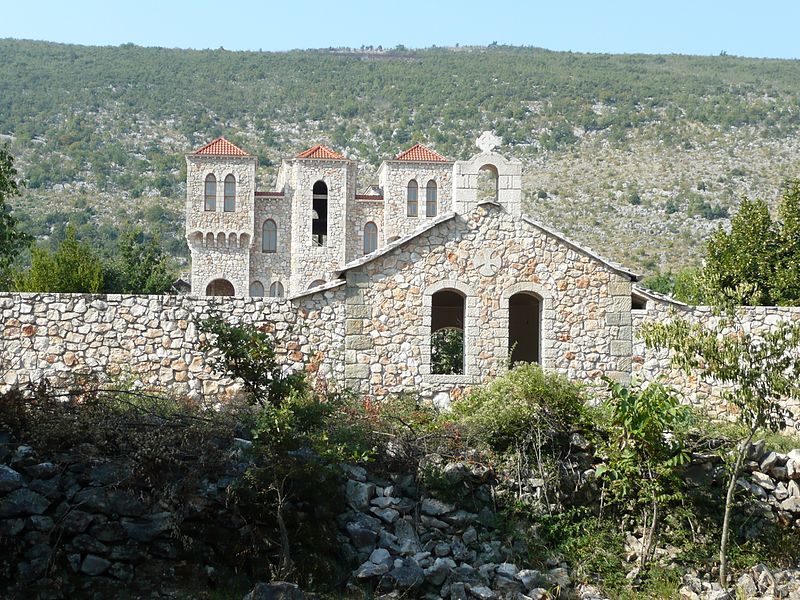
Međugorje is a village in Herzegovina where six local children reported visions of the Virgin Mary from 24 June 1981, and it grew into one of Europe’s biggest Catholic pilgrimage sites.
Walk up Apparition Hill and Cross Mountain, where the 12 m concrete cross was built in 1934, then visit St James’s Church in Međugorje’s centre.
In 2024 the Vatican approved devotion at Međugorje, saying pilgrims could draw spiritual benefit there, but it did not declare the apparitions supernatural, and Catholics are not obliged to believe in them.
10 – Tuzla
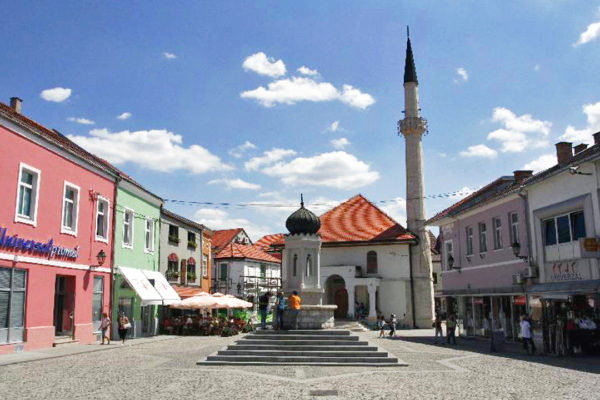
Tuzla, in north-east Bosnia, takes its name from the Turkish “tuz”, meaning salt, and its salt springs have been used since Neolithic times, while on 25 May 1995 a shell fired on the Kapija square killed 71 people, most of them young.
Swim in Tuzla’s Pannonian Lakes, artificial salt lakes in the middle of town, the first opened in 2003, then wander the old centre around Salt Square.
Pumping out brine for salt made Tuzla’s centre sink by up to about 12 m between 1947 and 1991, destroying around 2,700 homes and forcing some 15,000 people to move.
11 – Srebrenica–Potočari Memorial
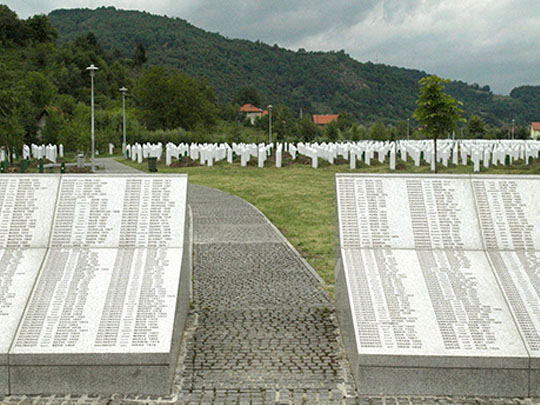
The Srebrenica–Potočari Memorial lies in eastern Bosnia, where in July 1995, after Bosnian Serb forces under Ratko Mladić overran the UN “safe area” of Srebrenica, more than 8,000 Bosniak men and boys were killed, which the UN tribunal for the former Yugoslavia and the International Court of Justice both ruled was genocide.
At Potočari, see the wall engraved with 8,372 names, the cemetery of white headstones where identified victims are buried, and the exhibitions in the old battery factory that served as the Dutch UN peacekeepers’ base during the siege.
The Srebrenica–Potočari Memorial was opened by Bill Clinton on 20 September 2003, and because the killers moved bodies between mass graves to hide them, many victims could only be identified through DNA, in one of the largest such efforts ever undertaken.
12 – Blagaj Tekke
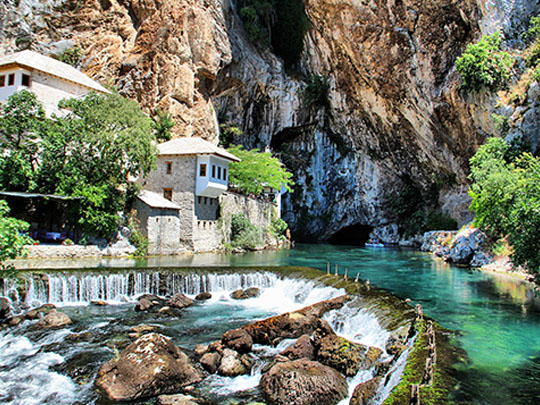

Blagaj Tekke stands at the foot of a sheer cliff about 12 km south-east of Mostar, a dervish lodge built by around 1520 where the Buna river gushes out of a cave as one of the largest karst springs in Europe.
Visit Blagaj Tekke’s guest rooms and the tomb associated with the 13th-century dervish Sarı Saltuk, take a boat into the mouth of the spring, and climb to the ruins of Stjepan grad fortress on the hill above.
Blagaj’s fortress was the seat of Stjepan Vukčić Kosača, who took the title “herceg”, from the German “Herzog” (duke), in 1448, and the Ottomans called his lands “Hersek”, which is where the name Herzegovina comes from.
13 – Kravica Waterfall
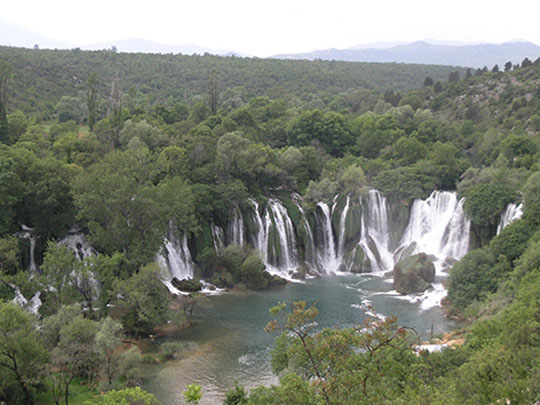
Kravica Waterfall is on the Trebižat river near Ljubuški in Herzegovina, where the water spills about 25–30 m over a horseshoe of tufa into a pool about 120 m across.
Swim in Kravica’s pool beneath the falls in summer, then look for the old stone watermills along the banks and the smaller Koćuša falls nearby.
Kravica Waterfall keeps growing, because its rock is tufa, built up from minerals and moss in very clean water, the same process that shaped Croatia’s Plitvice Lakes.
14 – Sutjeska
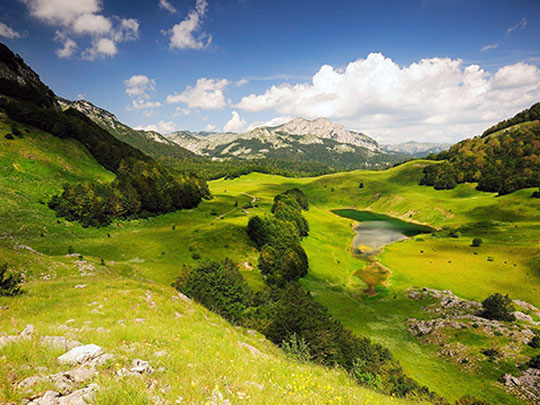
Sutjeska National Park, set up in 1962 as Bosnia and Herzegovina’s first, is where Tito’s Partisans broke out of an Axis encirclement in May–June 1943 at the cost of about a third of their force, and Tito himself was wounded in the arm.
Hike into Perućica, one of Europe’s last remaining old-growth forests, with spruces over 60 m tall and the 75 m Skakavac waterfall, see Maglić (2,386 m), and the Tjentište memorial (1971), two giant concrete wings marking the breakout.
Bosnia and Herzegovina’s highest point, Maglić, is the lower of twin summits, as the higher one stands just over the border in Montenegro, and the battle became the 1973 film The Battle of Sutjeska, with Richard Burton playing Tito.
15 – Tito’s bunker at Konjic
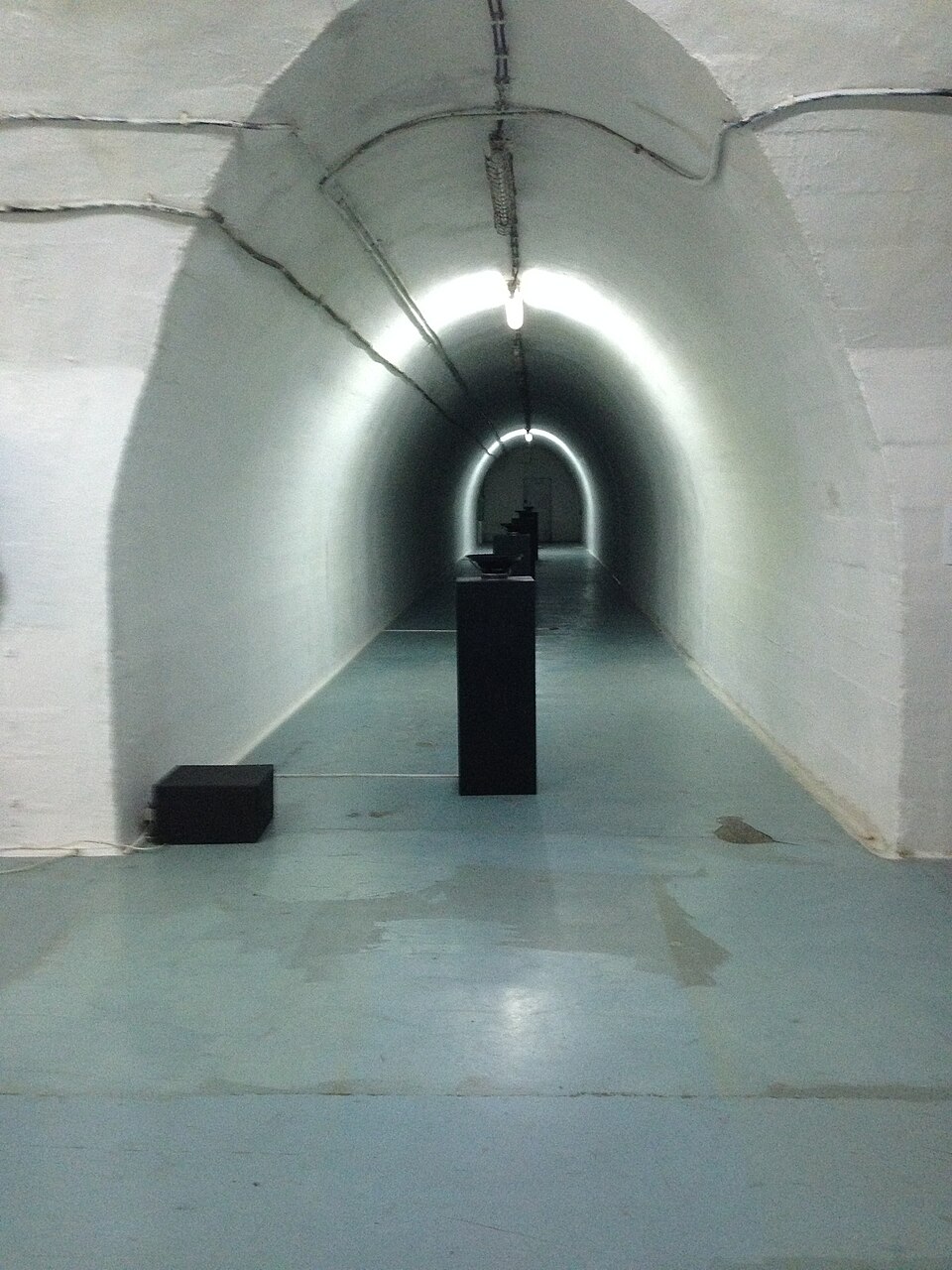
Tito’s Bunker, codenamed ARK D-0, was built in secret from 1953 to 1979 deep inside a hill near Konjic on the Neretva, as a nuclear shelter where Yugoslavia’s leaders could survive for six months.
Tour the bunker’s corridors past Tito’s office and bedroom, conference rooms, a crypto room and a hospital, with artworks left behind by the contemporary art biennial first held inside in 2011.
Tito’s Bunker was built for 350 people and reportedly cost about $4.6 billion, yet Tito died in 1980, a year after it was finished, and may never have set foot inside, while its entrances were hidden behind ordinary-looking houses.