
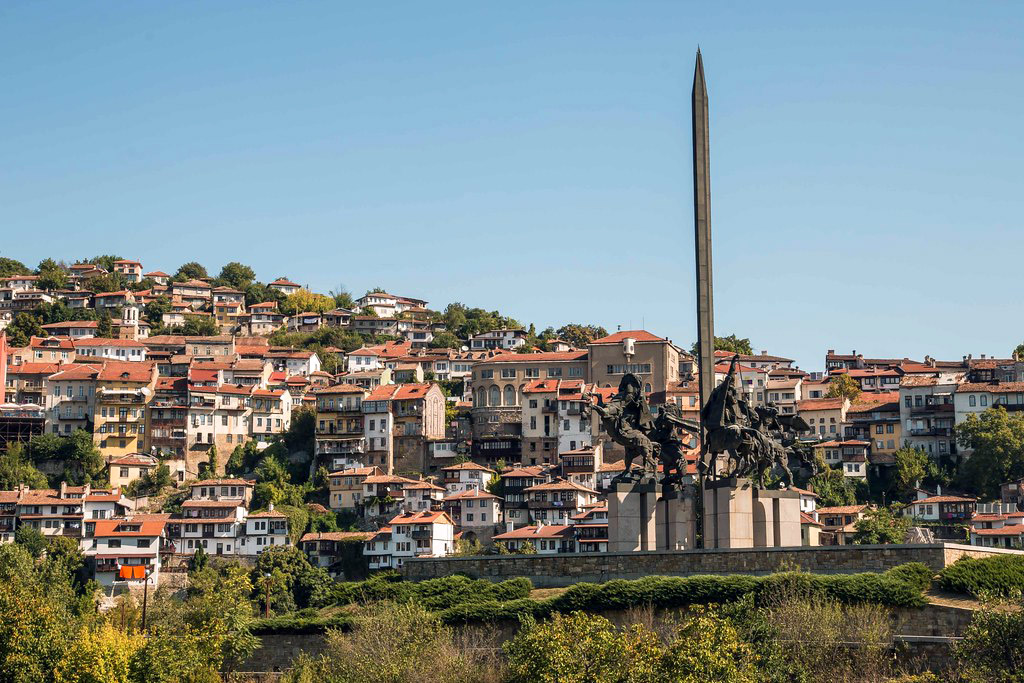
Wikimedia Commons / CC-BY-SA-3.0 / GFDL
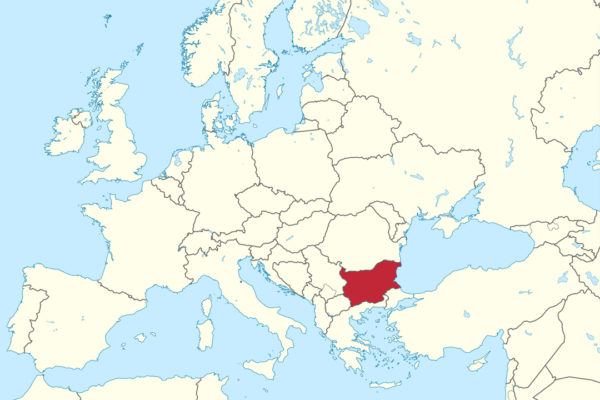
Capital: Sofia
Population: 6.4 million+
Language: Bulgarian
1 – Veliko Tarnovo (above)
Veliko Tarnovo, spread over the hills above the winding Yantra river, was capital of the Second Bulgarian Empire from the uprising of 1185 until the Ottomans took it in 1393, and in 1879 the first constitution of modern Bulgaria was adopted here.
Climb Tsarevets fortress, the medieval citadel with the Patriarch’s church on its summit, look across to Trapezitsa hill, see the Asenevtsi monument to the dynasty’s tsars, and browse the old craft street of Samovodska charshia.
Veliko Tarnovo’s Baldwin’s Tower is named after Baldwin I, the first Latin emperor of Constantinople, captured at Adrianople in 1205 and said to have been held here until his mysterious death, though the tower itself is a 20th-century reconstruction.
2 – Sofia
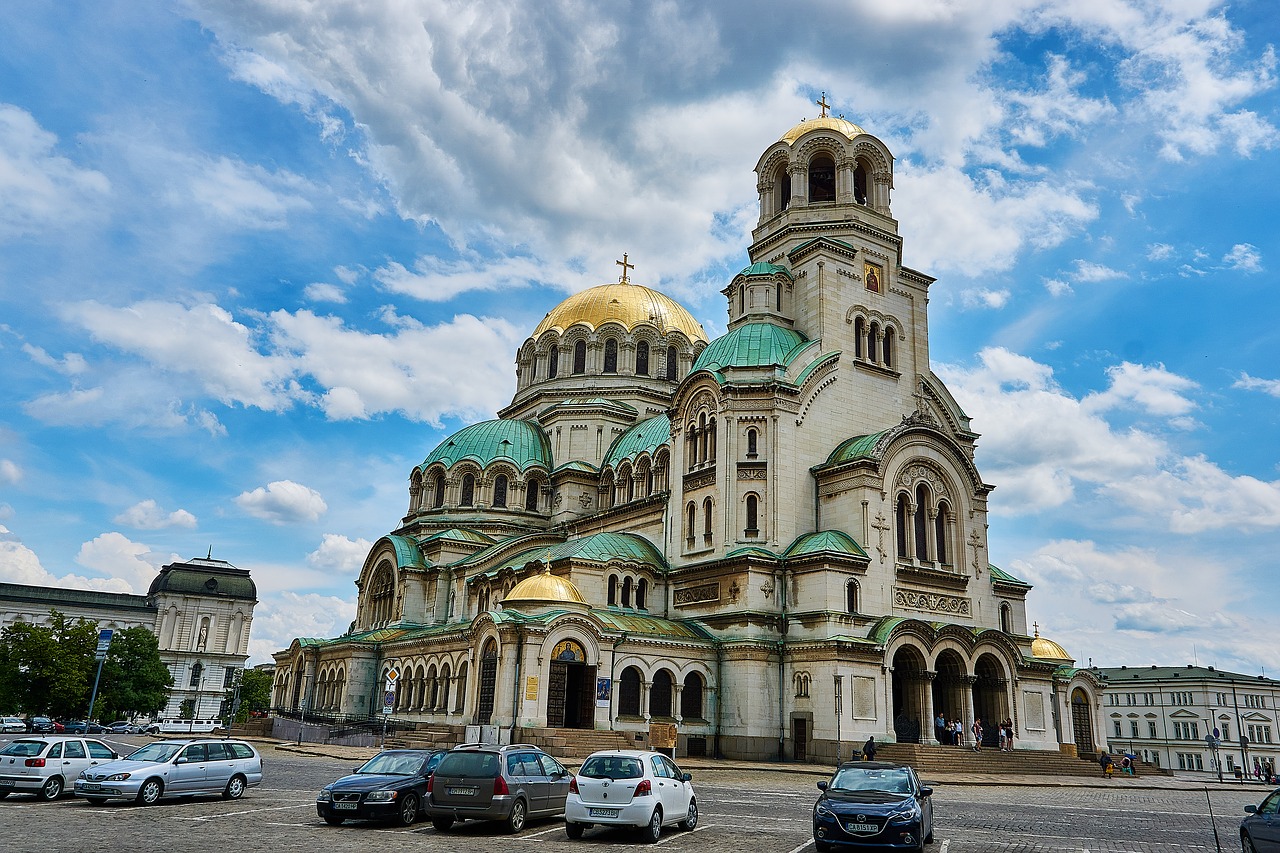
Sofia began as Serdica, named after the Serdi tribe, and took its modern name from the 6th-century St Sofia Church, before becoming capital of newly free Bulgaria in 1879.
Sofia’s highlights are the gold-domed Alexander Nevsky Cathedral, among the largest Orthodox cathedrals, the 4th-century Rotunda of St George, considered the city’s oldest building, the Banya Bashi Mosque, and Boyana Church, whose frescoes of 1259 are UNESCO-listed.
Emperor Constantine is said to have declared “Serdica is my Rome”, and you can walk among the Roman streets of Serdica uncovered beneath Sofia’s centre.
3 – Belogradchik
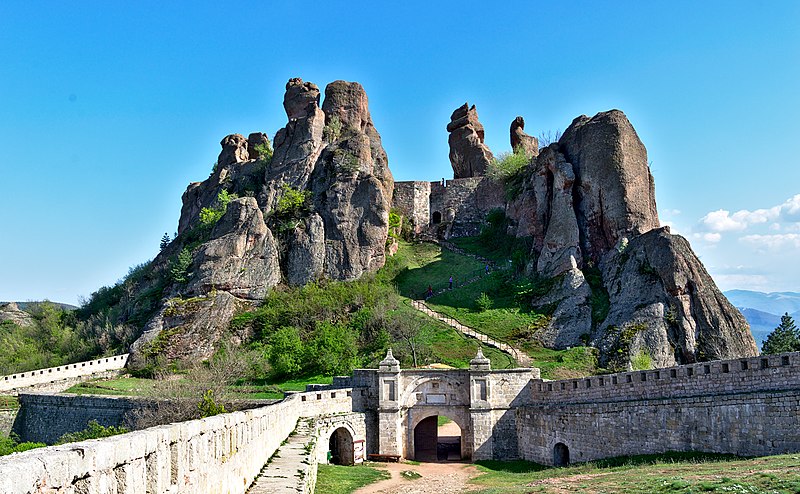
Belogradchik, in Bulgaria’s north-west, sits among red sandstone and conglomerate towers over 200 million years old, and its fortress, Roman in origin, was enlarged by the Ottomans in 1805–37 with help from French and Italian engineers.
Explore Belogradchik Fortress, built right into the rocks, and spot formations named the Madonna, the Horseman, the Monks and Adam and Eve.
Belogradchik’s rocks come with legends, the best known telling of a nun who fell for a horseman, until a storm turned the lovers and the disapproving monks to stone.
4 – Rila
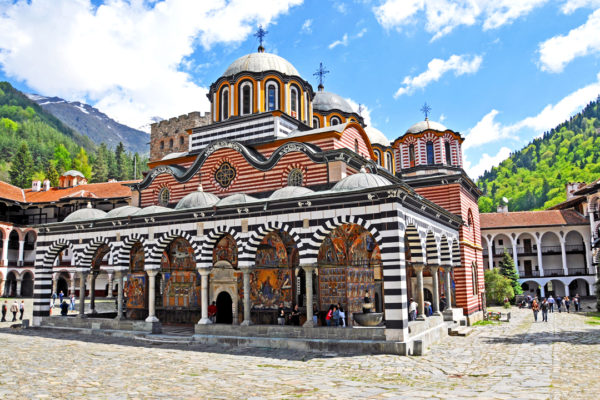
Rila Monastery, high in the Rila mountains south of Sofia, grew in the 10th century around the hermitage of St Ivan of Rila, Bulgaria’s patron saint, and was rebuilt after a fire in 1833 and UNESCO-listed in 1983.
See Rila Monastery’s striped arcades and painted main church, the 14th-century Hrelyo’s Tower, the oldest building in the complex, and Rafail’s Cross, a wooden cross carved with hundreds of tiny figures that is said to have cost the monk Rafail his eyesight.
Rila is the resting place of James David Bourchier from Co. Limerick, The Times‘s Balkans correspondent and champion of the Bulgarian cause, who died in Sofia in 1920 and was buried near the monastery, a rare honour for a foreigner.
5 – Balchik Palace
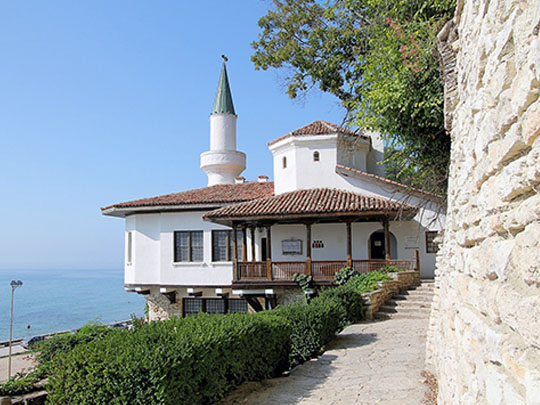
Balchik Palace, on Bulgaria’s northern Black Sea coast, was built in the mid-1920s to mid-1930s for Queen Marie of Romania, a granddaughter of Queen Victoria, while this part of Dobruja was Romanian.
Wander Balchik Palace’s villa, with its minaret-like tower and Italian-designed mix of styles, its terraced gardens down to the sea, and the botanical garden, home to a cactus collection claimed as Europe’s second largest.
Queen Marie asked for her heart to be buried at Balchik, and after her death in 1938 it was kept in a golden casket in the palace chapel, until the town returned to Bulgaria in 1940 and the heart was taken back to Romania.
6 – Sozopol
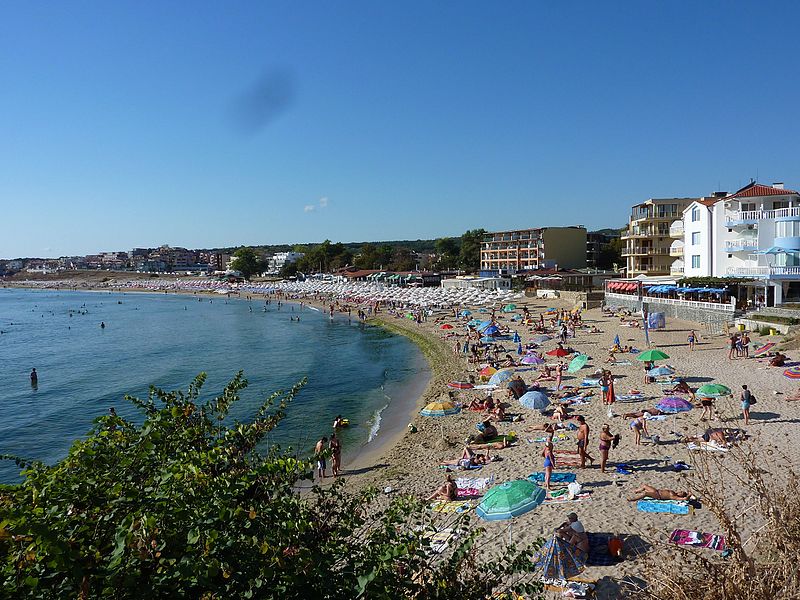
Sozopol, on the southern Black Sea coast, was founded as Apollonia Pontica by Greek colonists from Miletus, traditionally around 610 BC, and its 13 m bronze Apollo by the sculptor Calamis was carried off to Rome by Lucullus in 72 BC.
Wander Sozopol’s old town of wooden Revival-era houses on its rocky peninsula, its churches with carved iconostases, and the beaches either side.
In 2012 archaeologists in Sozopol found medieval skeletons with iron rods driven through their chests to stop them rising from the dead, and in 2010 bones found on St Ivan island were radiocarbon-dated to the 1st century AD, the right era for the relics of John the Baptist they were claimed to be.
7 – Melnik

Melnik, below the Pirin mountains in south-west Bulgaria, is often called the country’s smallest town, with a few hundred people at most, and it has been famous for its wine since at least the 14th century.
Walk among the Melnik Earth Pyramids, sand and clay formations sculpted by rain, visit the Kordopulov House (1754), one of the biggest Revival-era houses, with its wine cellars, and the Rozhen Monastery nearby.
Melnik’s local grape is the Broad-leaved Melnik, and local legend says Winston Churchill was so fond of its wine that he ordered hundreds of litres a year.
8 – Koprivshtitsa
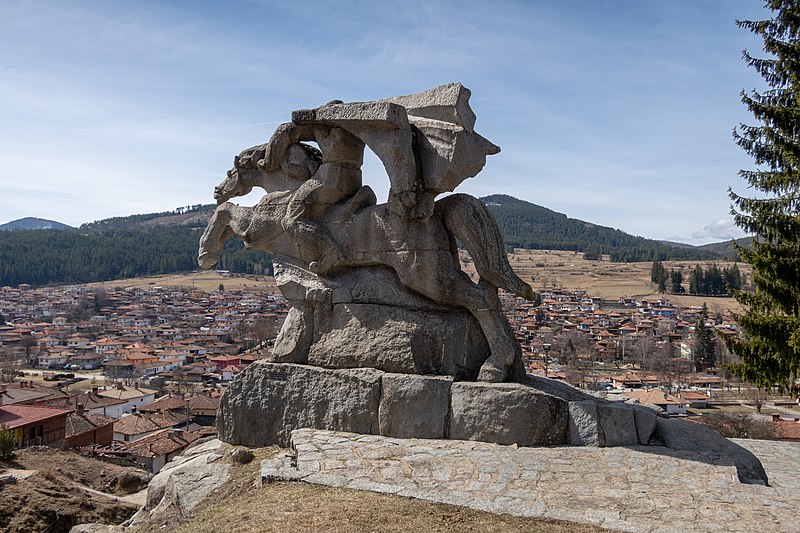
Koprivshtitsa sits in the Sredna Gora mountains, where the April Uprising against Ottoman rule broke out on 20 April 1876, and Todor Kableshkov wrote the “Bloody Letter” calling other towns to follow.
Walk Koprivshtitsa’s cobbled lanes of painted 19th-century houses, including the Oslekov House, cross the Kalachev “Bridge of the First Shot”, and see the monument to uprising leader Georgi Benkovski.
Koprivshtitsa was the birthplace of several leaders of the uprising, and since 1965 it has hosted Bulgaria’s National Folklore Festival, held roughly every five years with thousands of performers.
9 – Plovdiv
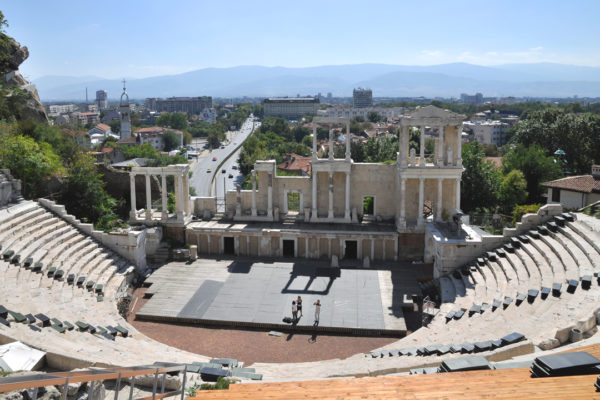
Plovdiv, on the Maritsa, is among the oldest continuously inhabited cities in Europe, a Thracian town taken by Philip II of Macedon in 342 BC and renamed Philippopolis.
See Plovdiv’s Roman Theatre, rediscovered in the early 1970s, the Roman Stadium, built for up to 30,000 spectators and mostly hidden beneath the main shopping street, and the Old Town’s grand Revival-era houses.
Plovdiv was long called the “city of seven hills”, but it has only six, as Markovo Tepe was quarried away in the early 20th century and its stone used to pave the city’s streets.
10 – Nesebar
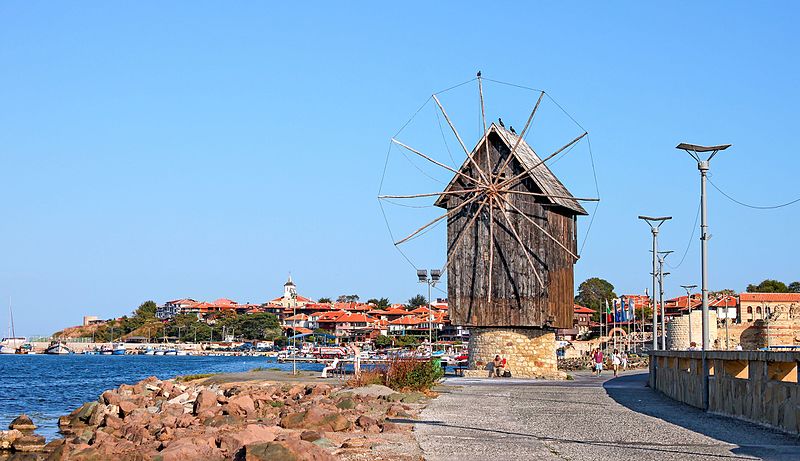
Nesebar sits on a rocky peninsula joined to the mainland by a narrow isthmus, a Thracian settlement colonised by Greeks from Megara in the 6th century BC, and UNESCO listed the old town in 1983.
Nesebar is said to have had some 40 churches, and you can see the Christ Pantocrator church, St Stephen’s with its frescoes, and the ruined Old Metropolis basilica.
When Khan Krum of Bulgaria captured Nesebar in 812, he seized the Byzantines’ secret weapon, Greek fire, along with the siphons used to spray it.
11 – Kazanlak Thracian Tomb
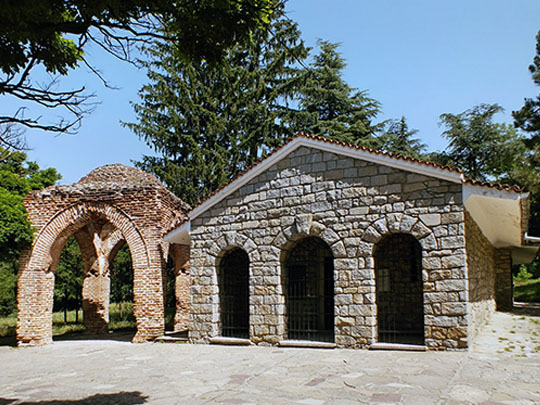
The Kazanlak Thracian Tomb lies in central Bulgaria’s Valley of the Thracian Kings, a beehive-shaped burial chamber of the late 4th or early 3rd century BC, found by soldiers digging trenches in April 1944 and UNESCO-listed in 1979.
The Kazanlak Tomb’s original is sealed to protect it, so visitors see a full-size replica nearby, showing frescoes of a funeral feast where a couple clasp wrists, servants and musicians attend, and three chariots race around the top of the dome.
Kazanlak sits in the Rose Valley, where it takes roughly 3,000–3,500 kg of hand-picked petals to make a single kilo of rose oil, and nearby in 2004 archaeologists unearthed the bronze head of the Thracian king Seuthes III.
12 – Varna Necropolis
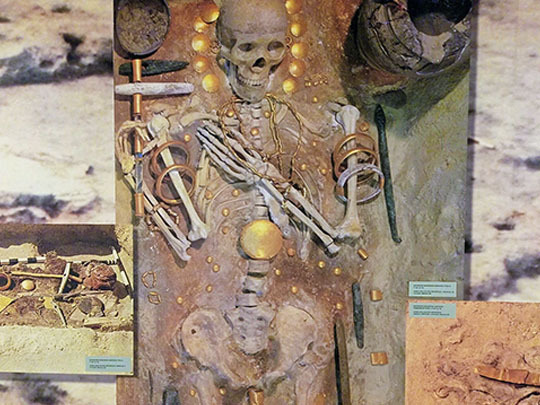
The Varna Necropolis, on the edge of Varna on the Black Sea, was found in October 1972 when excavator operator Raycho Marinov dug into it while laying a power cable, revealing about 300 graves from around 4600–4200 BC.
See the Varna Necropolis gold at the Varna Archaeological Museum, about 3,000 objects weighing around 6 kg, then visit the city’s Roman baths, the largest ancient building found in Bulgaria.
The Varna Necropolis is often called the oldest worked gold treasure ever found, and Grave 43 alone held more gold than has been found anywhere else in the world from that era, buried with a man once thought a ruler, though he may have been a master metalsmith.
13 – Shipka Pass
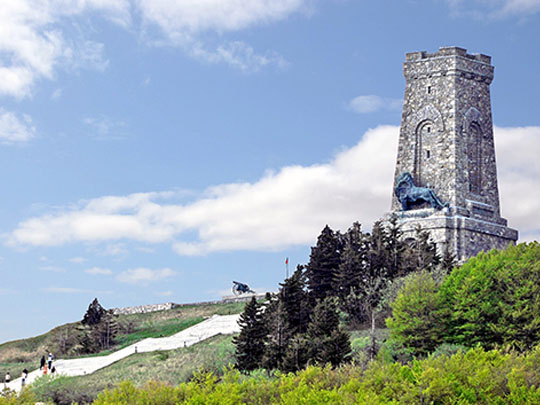
Shipka Pass crosses the Balkan Mountains between Kazanlak and Gabrovo, where in August 1877 Russian troops and Bulgarian volunteers held off a much larger Ottoman army, helping to decide the war that freed Bulgaria in 1878.
Climb the 890 steps to Shipka’s Freedom Monument, a 31.5 m stone tower opened in 1934, then visit the gold-domed Shipka Memorial Church, built in 1885–1902 to honour the fallen.
According to tradition, the Shipka defenders threw rocks and even the bodies of fallen comrades when their ammunition ran out, and the battle was reported by Januarius MacGahan, an Irish-American journalist and son of an Irish immigrant, honoured in Bulgaria as a “Liberator of Bulgaria”.