
Wikimedia Commons / CC-BY-SA-3.0 / GFDL
Capital: Zagreb
Population: 3.9 million+
Language: Croatian

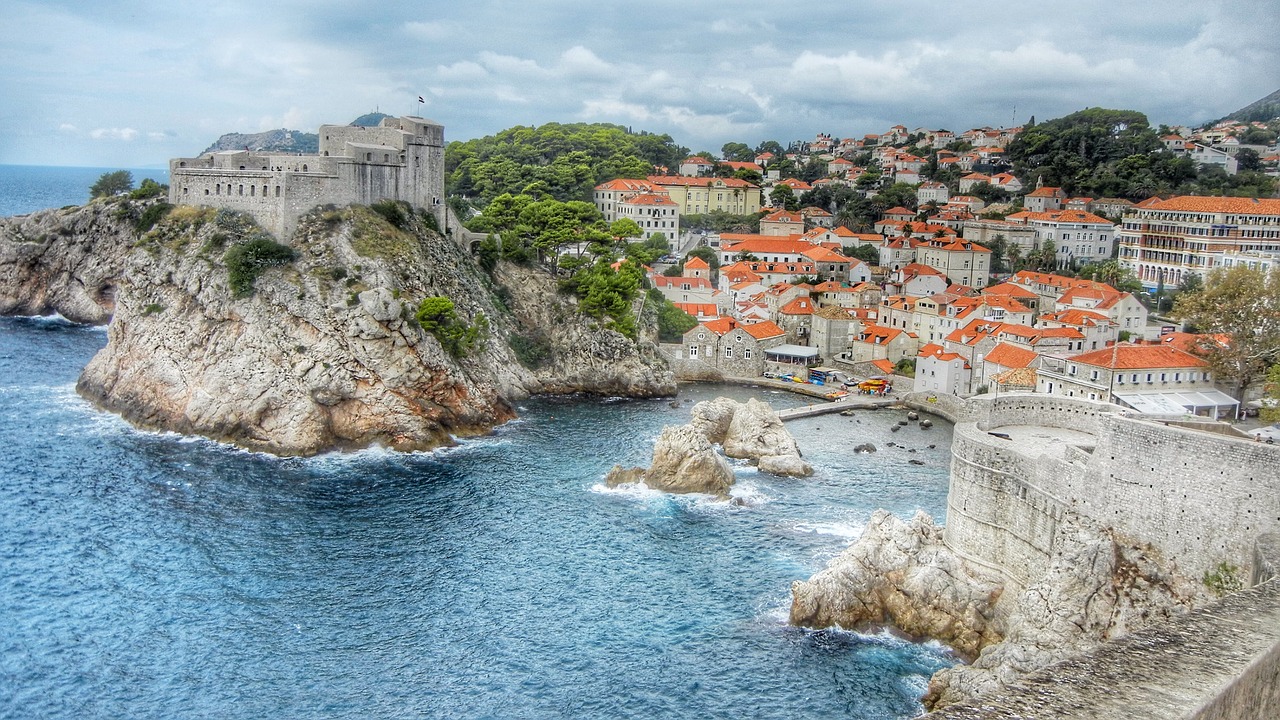
1 – Dubrovnik (also above)
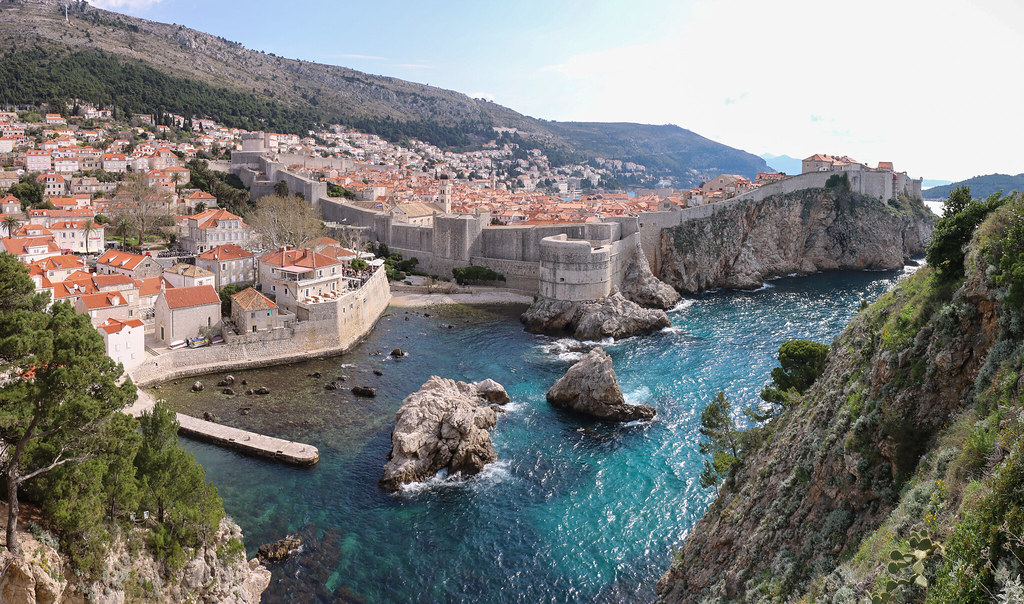
Dubrovnik was the capital of the Republic of Ragusa, a free maritime state from 1358 until Napoleon’s forces ended it in 1808, and during the 1991–92 siege by the Yugoslav People’s Army its old town was shelled and placed on UNESCO’s danger list until 1998.
Walk Dubrovnik’s city walls, about 1,940 m round with 17 towers, then stroll the Stradun to the Rector’s Palace and the Franciscan monastery’s pharmacy, founded in 1317 and one of the oldest working pharmacies in Europe, before spotting the streets that played King’s Landing in Game of Thrones.
In 1377 Dubrovnik ordered arrivals from plague areas to wait out a month in isolation, widely regarded as the first state-mandated quarantine, and the Irish playwright George Bernard Shaw, who visited in 1929, is often quoted as saying that if you want to see heaven on earth, come to Dubrovnik.
2 – Hvar
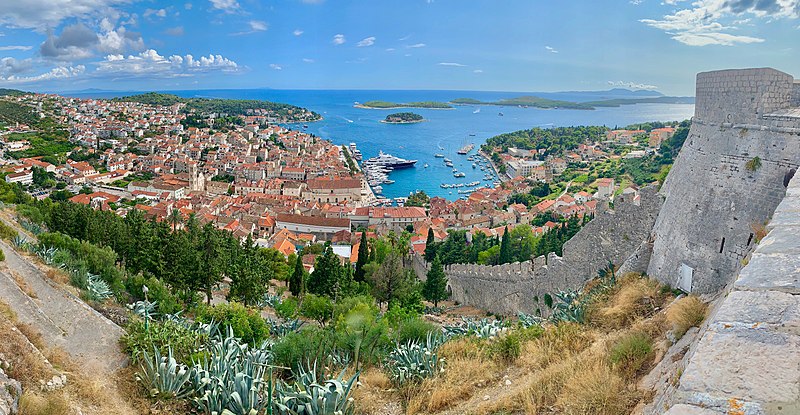
Hvar was settled by Greek colonists from Paros around 384 BC, and the field system they laid out on the Stari Grad Plain, divided by dry-stone walls, is farmed with vines and olives, earning a UNESCO listing in 2008.
Climb to Hvar town’s Fortica, the “Spanish Fortress”, a Venetian stronghold finished by 1551, where the whole town sheltered when an Ottoman fleet burned it in 1571, then see the Arsenal and its theatre of 1612, one of the oldest public theatres in Europe.
Hvar’s Stari Grad Plain has been farmed in much the same plots for about 24 centuries, making it one of the best-preserved ancient Greek landscapes anywhere.
3 – Rovinj
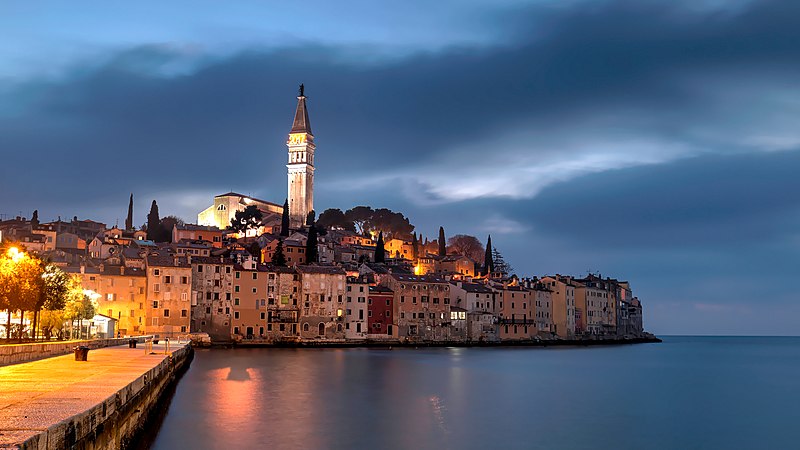
Rovinj, on Istria’s west coast, was ruled by Venice from 1283 to 1797, and its old town stood on an island until the channel was filled in 1763.
Wander Rovinj’s steep lanes up to the Baroque Church of St Euphemia, whose 60 m bell tower resembles St Mark’s in Venice and is topped by a statue of the saint that turns with the wind.
According to legend, St Euphemia’s sarcophagus floated into Rovinj in 800, and when no team of horses or oxen could move it, a boy with two young calves hauled it up the hill to the church.
4 – Split
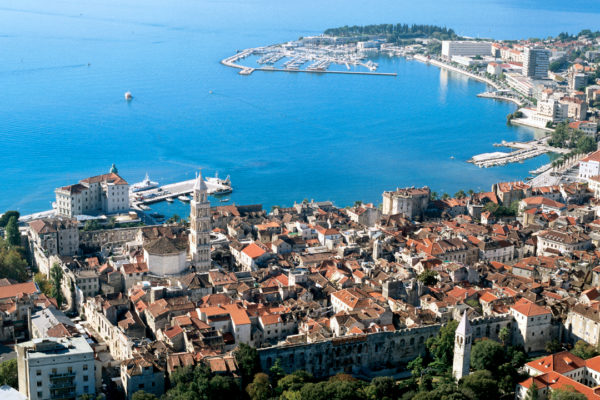
Split grew inside Diocletian’s Palace, built from about 295 AD as the Roman emperor’s retirement home, after refugees from nearby Salona moved in following its sack in 639, and UNESCO listed the palace in 1979.
Explore the Peristyle, the palace cellars, where Game of Thrones filmed Daenerys’s Meereen throne room, the Riva waterfront, and Ivan Meštrović’s giant statue of Gregory of Nin, whose toe is rubbed for luck.
Split’s Cathedral of St Domnius was built from Diocletian’s own mausoleum, so the emperor who persecuted Christians ended up with a church named after one of his victims, Bishop Domnius, beheaded in 304.
5 – Korčula
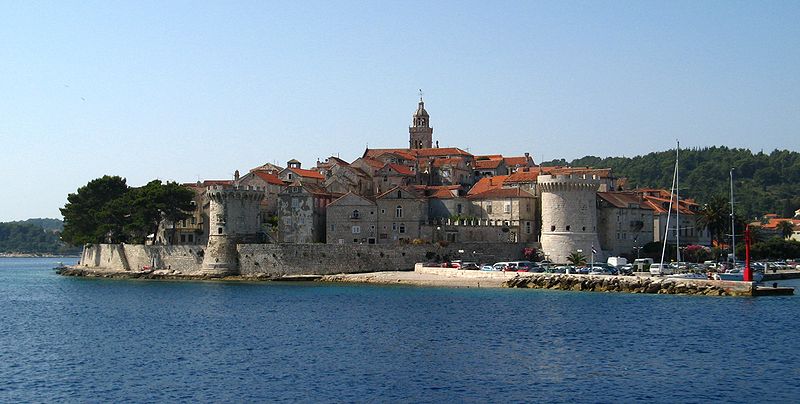
Korčula is an island and walled town off southern Dalmatia, which governed itself under a statute of 1214, and in 1298 the Genoese crushed the Venetian fleet in the Battle of Curzola just offshore.
Walk Korčula town’s herringbone street plan, laid out so the western lanes catch the cooling summer wind and the eastern ones curve to block the cold bora, then visit St Mark’s Cathedral, with an altarpiece by Tintoretto.
Korčula claims to be Marco Polo’s birthplace, but most scholars say he was born in Venice, the “Marco Polo House” was built about two centuries after his death, and his capture at the Battle of Curzola rests on tradition.
6 – Zadar
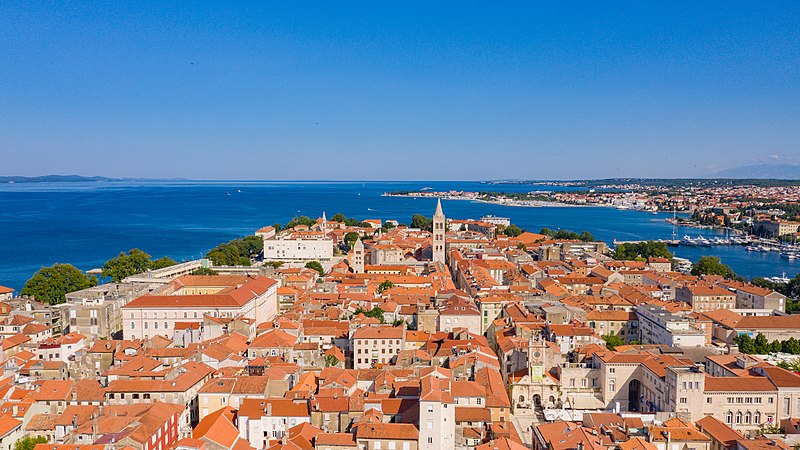
Zadar, on the northern Dalmatian coast, began as a Liburnian settlement in the 9th century BC and became a Roman colony, and in 1202 the Fourth Crusade sacked it, though it was a Christian city, so the Pope excommunicated the crusaders.
See Zadar’s Roman Forum and the round 9th-century church of St Donatus, then sit on the waterfront steps of the Sea Organ (2005), where the waves push air through 35 pipes to make music, beside the Greeting to the Sun, a solar-powered light show set in the pavement.
Zadar’s sunsets are famous, with Alfred Hitchcock said to have called them the most beautiful in the world, though no one has found where he actually said it.
7 – Zagreb
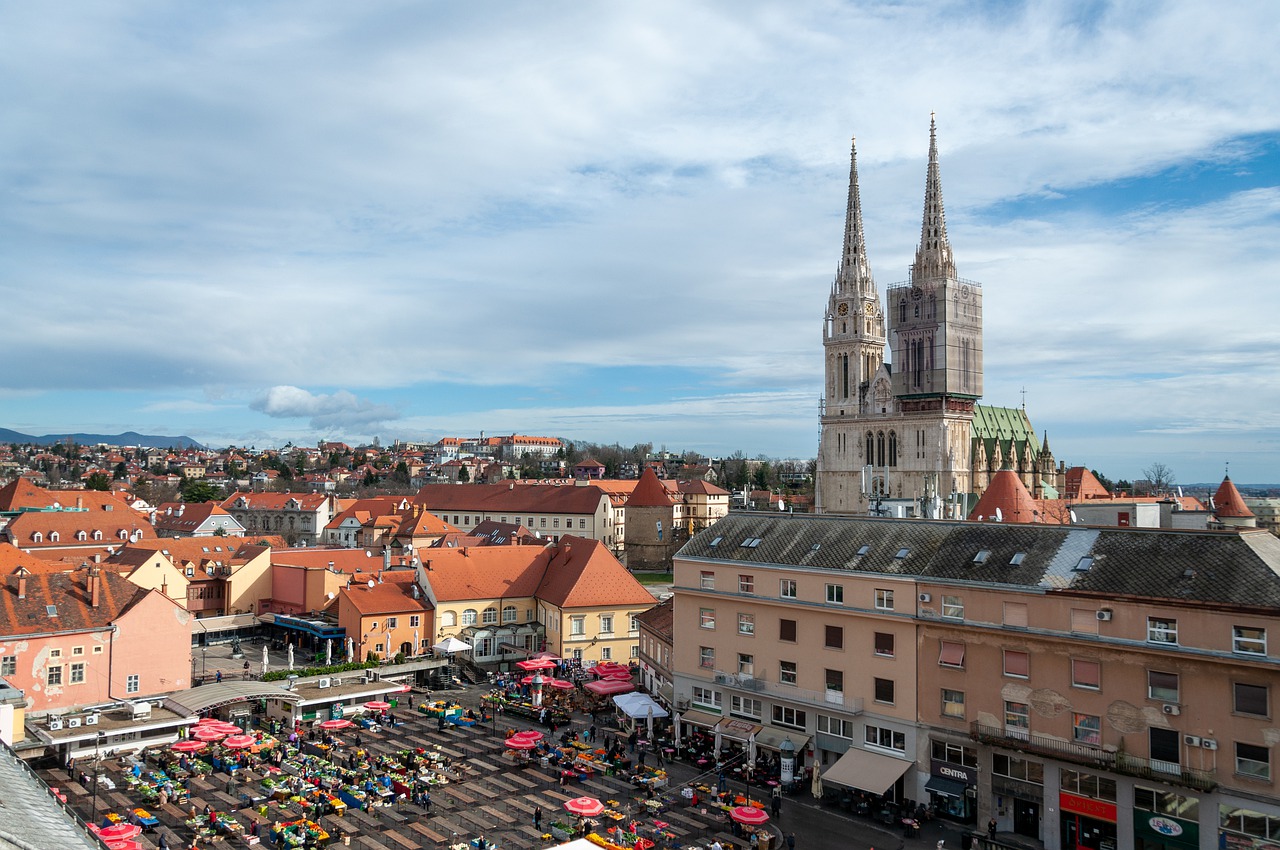
Zagreb, Croatia’s capital, was formed in 1850 when the royal town of Gradec and the church settlement of Kaptol merged, around a bishopric founded in 1094.
Ride Zagreb’s 66 m funicular, one of the shortest public funiculars, up to the Upper Town, see St Mark’s Church with its tiled coats of arms, the Stone Gate shrine and the twin-spired cathedral, and visit the Museum of Broken Relationships.
The cravat comes from Croatia, as Croatian soldiers in the Thirty Years’ War wore neck scarves that the French named “cravates”, and Louis XIV made them fashionable, so Croatia marks Cravat Day every 18 October.
8 – Pula
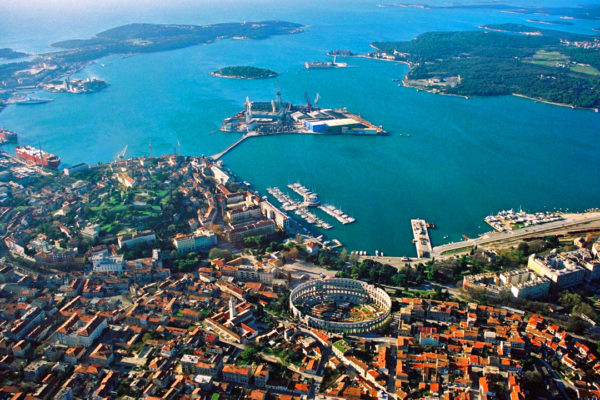
Pula sits at the tip of the Istrian peninsula, a Roman colony and later the Austro-Hungarian navy’s main war harbour, and it was here that James Joyce and Nora Barnacle made their first home together in 1904–05, when he taught English at the Berlitz School.
Pula’s star is the Arena, a Roman amphitheatre completed around 80 AD that seated about 23,000 and is one of the best-preserved in the world, along with the Temple of Augustus and the Arch of the Sergii.
Look for the bronze statue of James Joyce sitting at the Uliks café beside the Arch of the Sergii, near the building where he taught, as Pula honours the time the young Irish writer spent here.
9 – Krka National Park
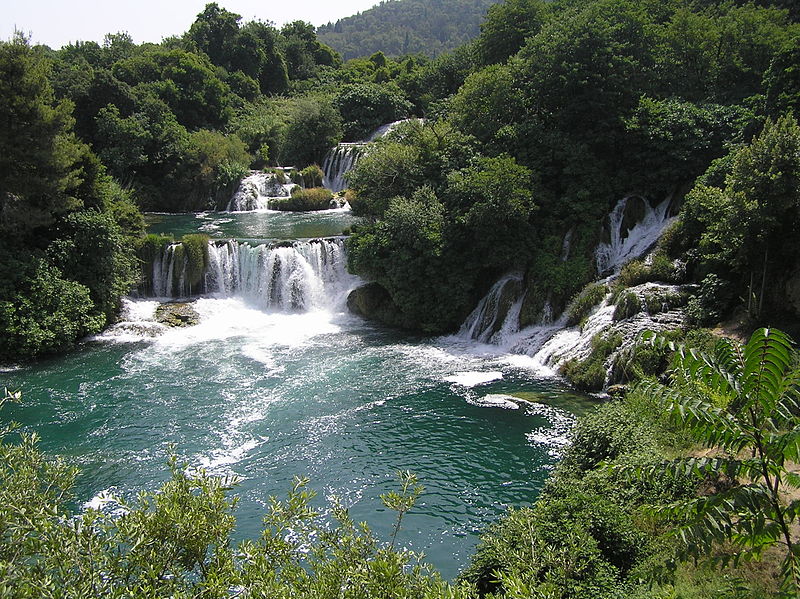
Krka National Park follows the Krka river through Dalmatia, where travertine barriers have built a staircase of lakes and waterfalls, the most famous being Skradinski buk with its 17 cascades.
Walk the boardwalks around Krka’s Skradinski buk, then take a boat to Visovac, an island monastery held by Franciscans since 1445.
On 28 August 1895 Krka’s Jaruga power station began sending alternating current to light the streets of Šibenik, opening within days of Niagara’s and making it among the world’s first AC power systems.
10 – Plitvice Lakes
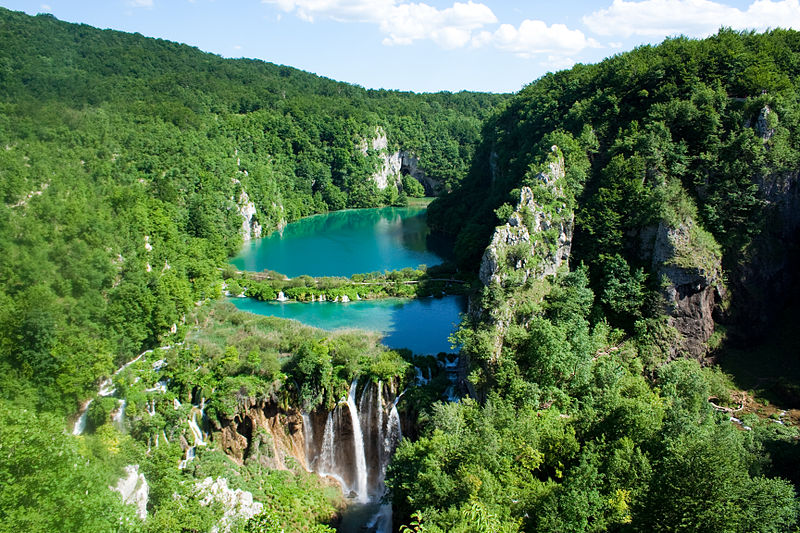
Plitvice Lakes, in the hills of central Croatia, became the country’s oldest national park in 1949 and was UNESCO-listed in 1979, with 16 terraced lakes linked by waterfalls.
Follow Plitvice’s wooden walkways over and around the lakes to Veliki slap, at 78 m the tallest waterfall in Croatia.
Plitvice’s lakes keep reshaping themselves, as mosses and algae build the travertine barriers by up to about a centimetre a year, and in the 1960s the park stood in for the American West in the Winnetou westerns based on Karl May’s novels.
11 – Trogir
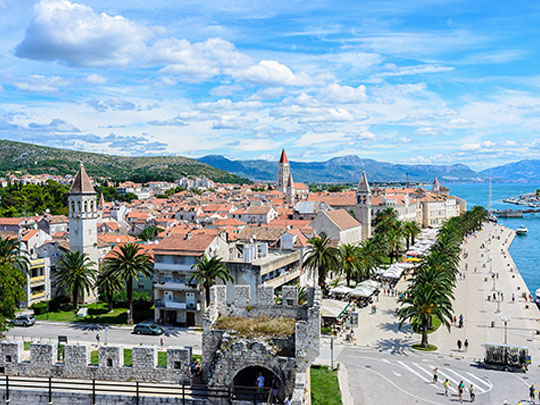
Trogir’s old town sits on a small island between the mainland and Čiovo, west of Split, founded by Greek settlers as Tragurion in the 3rd century BC and ruled by Venice from 1420 to 1797, and UNESCO listed it in 1997.
See Trogir’s Cathedral of St Lawrence, whose west portal the sculptor Radovan signed and dated in 1240, with Adam and Eve standing on lions, then walk the waterfront to the 15th-century Kamerlengo fortress and the Ćipiko palaces.
Trogir guards a Greek marble relief of Kairos, the god of the fleeting opportunity, shown winged with a single forelock to seize as he rushes by, carved in the 3rd century BC.
12 – Šibenik
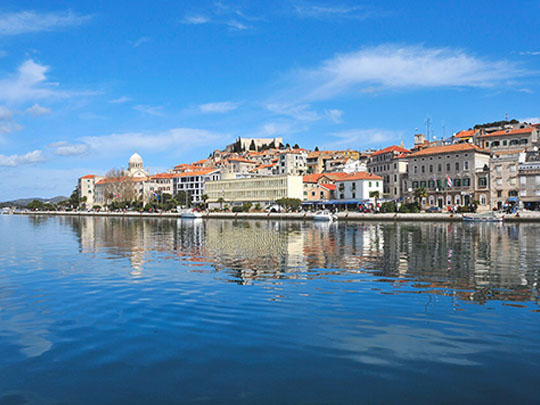
Šibenik was founded by Croats rather than Greeks or Romans, making it one of the oldest native Croatian towns on the Adriatic, first recorded at Christmas 1066 in a charter of King Petar Krešimir IV.
Šibenik’s Cathedral of St James, built in 1431–1535 by Juraj Dalmatinac and Nikola Firentinac, is made of stone throughout, with a vault and dome of interlocking stone slabs, and a frieze of 71 carved heads of local people runs around its outside.
Šibenik was the birthplace of Faust Vrančić, whose book Machinae Novae includes “Homo Volans”, an early design for a parachute, though the story that he tested it by jumping from a tower in Venice is legend, and the cathedral stood in for Braavos in Game of Thrones.
13 – Poreč
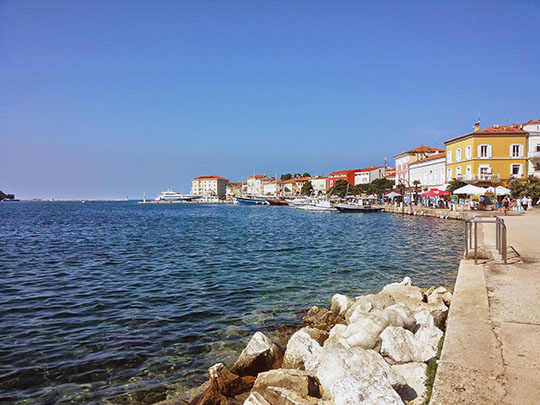
Poreč, on Istria’s west coast, began as the Roman colony of Parentium, and its main street, the Decumanus, follows the line of the Roman grid.
Poreč’s treasure is the Euphrasian Basilica, built in the mid-6th century by Bishop Euphrasius and UNESCO-listed in 1997, whose glittering Byzantine apse mosaics are often compared with Ravenna’s.
In the Euphrasian Basilica’s apse mosaic, Bishop Euphrasius himself stands among the saints holding a model of his church, and beneath it lie the remains of a 4th-century house-church with a mosaic fish, an early Christian symbol.
14 – Vukovar
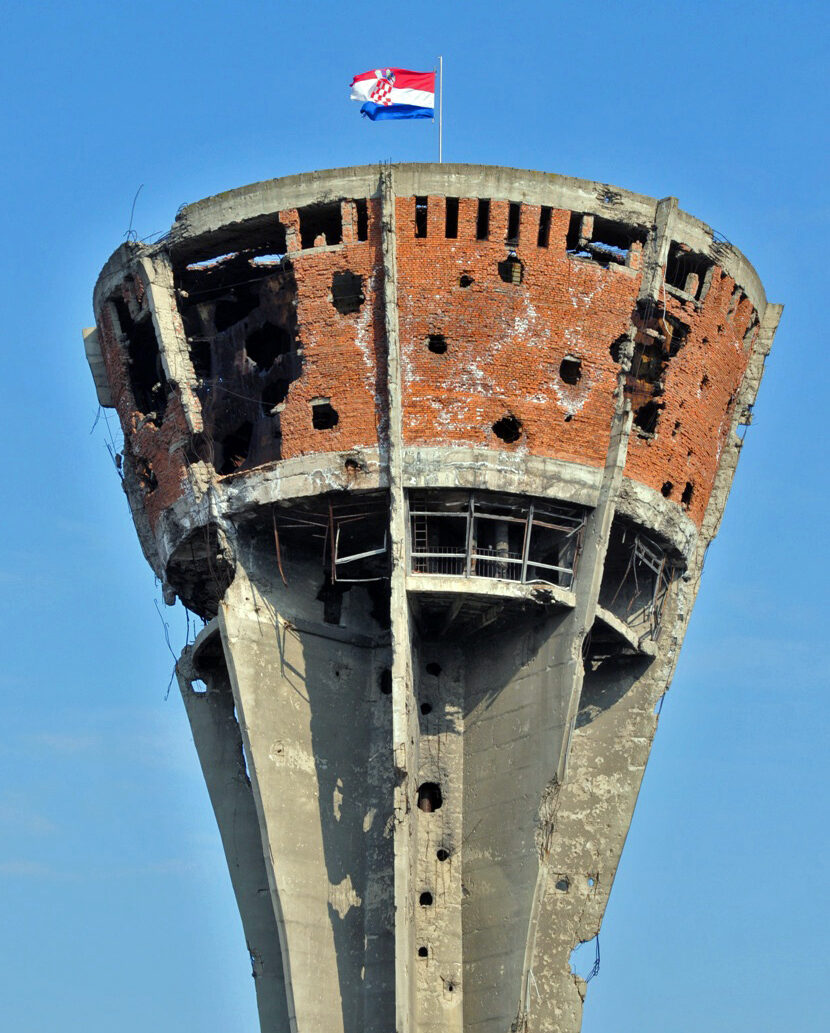
Vukovar lies where the Vuka meets the Danube in eastern Croatia, a Baroque town besieged for nearly three months in 1991 by the Yugoslav People’s Army and Serb paramilitary forces and largely destroyed, and after it fell 194 people taken from its hospital were killed at nearby Ovčara, according to the UN war crimes tribunal.
See Vukovar’s water tower, scarred by more than 600 hits and kept as a memorial, the restored Baroque Eltz Manor museum, and the Vučedol Culture Museum on the Danube.
Vukovar’s best-known ancient find is the “Vučedol Dove”, a bird-shaped vessel from around 2800–2500 BC that once featured on Croatia’s 20 kuna note, though scholars increasingly think it shows a partridge.
15 – Vis
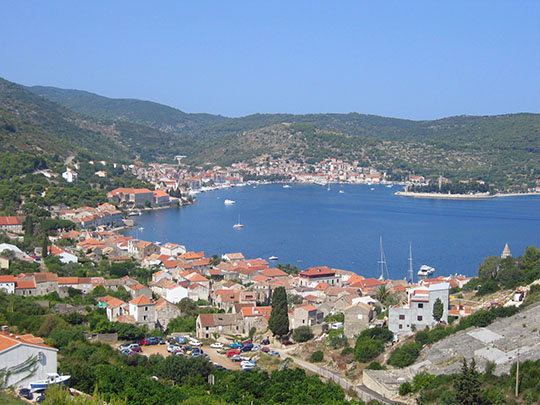
Vis, far out in the Adriatic, was the Greek colony of Issa, founded around 400 BC, and gave its name to two battles of Lissa, in 1811, when a British squadron beat the French and Italians, and in 1866, the first fleet battle between ironclads, won by Austria over Italy.
On Vis, see the cave on Mount Hum where Tito ran his headquarters in 1944 while British forces held the island, the bronze head of Artemis in the town museum, and coves like Stiniva, then take a boat to the Blue Cave on Biševo.
Vis stayed a closed Yugoslav military zone until 1989, which kept it unspoilt, and in March 1944 the Dublin playwright Denis Johnston, reporting for the BBC, said it looked “most of all… like Connemara”.
16 – Ston
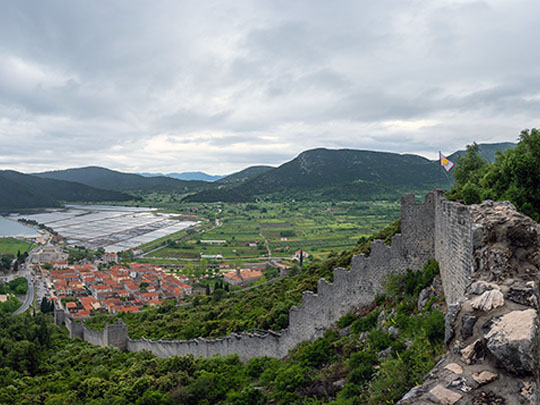
Ston sits at the neck of the Pelješac peninsula, bought by the Republic of Ragusa in 1333 and laid out as a planned town, protected by walls begun in 1358 that once ran more than 7 km with 40 towers.
Climb Ston’s walls, about 5.5 km of which survive, among the longest medieval fortifications in Europe, then look down on the 14th-century salt pans they were built to protect, and eat oysters in Mali Ston.
Ston’s walls guarded salt worth about 15,900 ducats a year to the Republic of Ragusa, and its 58 salt pools are harvested by hand, which is why the walls are nicknamed the European Great Wall of China.