
Wikimedia Commons / CC-BY-SA-3.0 / GFDL
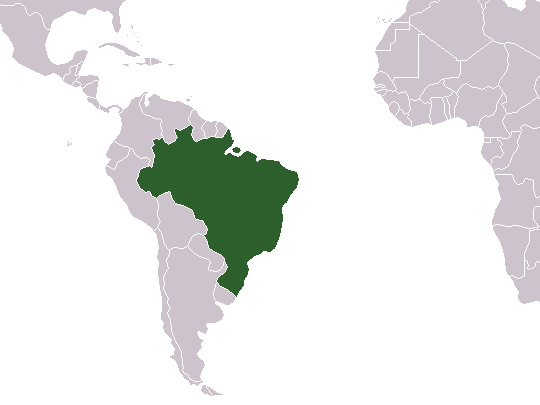
Capital: Brasília
Population: 214 million+
Language: Portuguese (270+ indigenous languages)
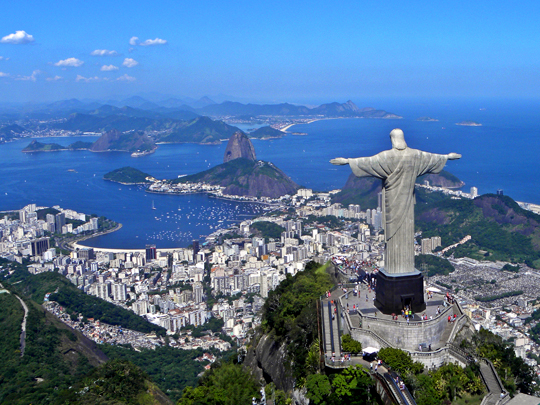
1 – Christ the Redeemer Statue – Rio (also above)
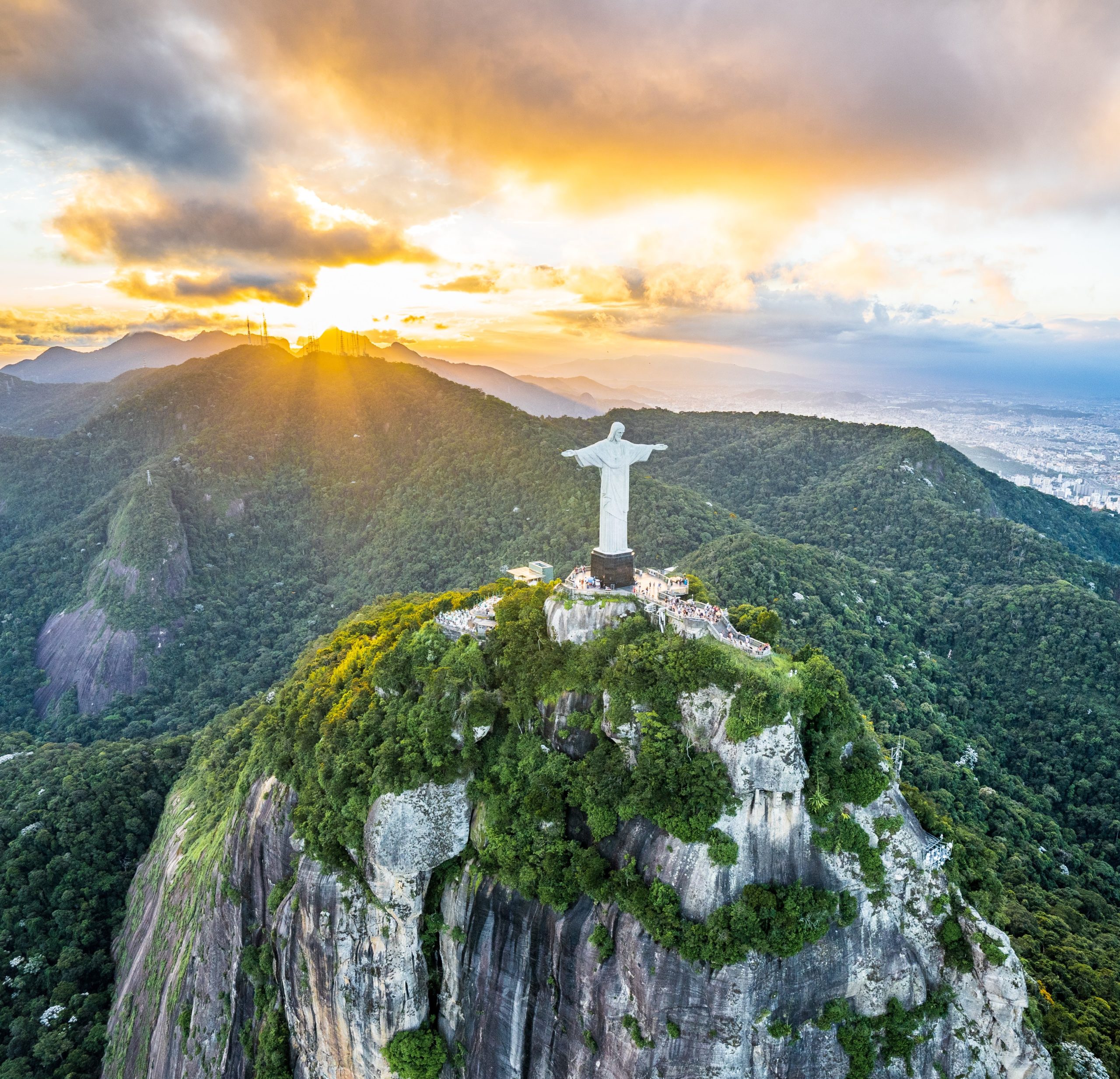
Arms outstretched over Rio de Janeiro from the summit of Corcovado mountain, the 30m statue of Christ the Redeemer is the very symbol of Brazil — the largest Art Deco sculpture on Earth, and, since 2007, one of the New Seven Wonders of the World.
Built over nine years and unveiled in 1931, it is clad in some six million small tiles of pale soapstone; reached by a cog railway up through the rainforest of Tijuca National Park, it gazes out over the city, the beaches and Sugarloaf Mountain in one of the most spectacular urban settings in the world.
Perched on an exposed 700m peak, the statue takes a real battering and is struck by lightning several times every year. In 2014 a bolt snapped off the tip of one of its thumbs, which had to be repaired with soapstone kept in reserve. The statue was originally meant to be lit up for its 1931 unveiling by a radio signal sent from Rome by Guglielmo Marconi ~9,000km away, but a storm foiled the plan.
2 – Iguazu Falls
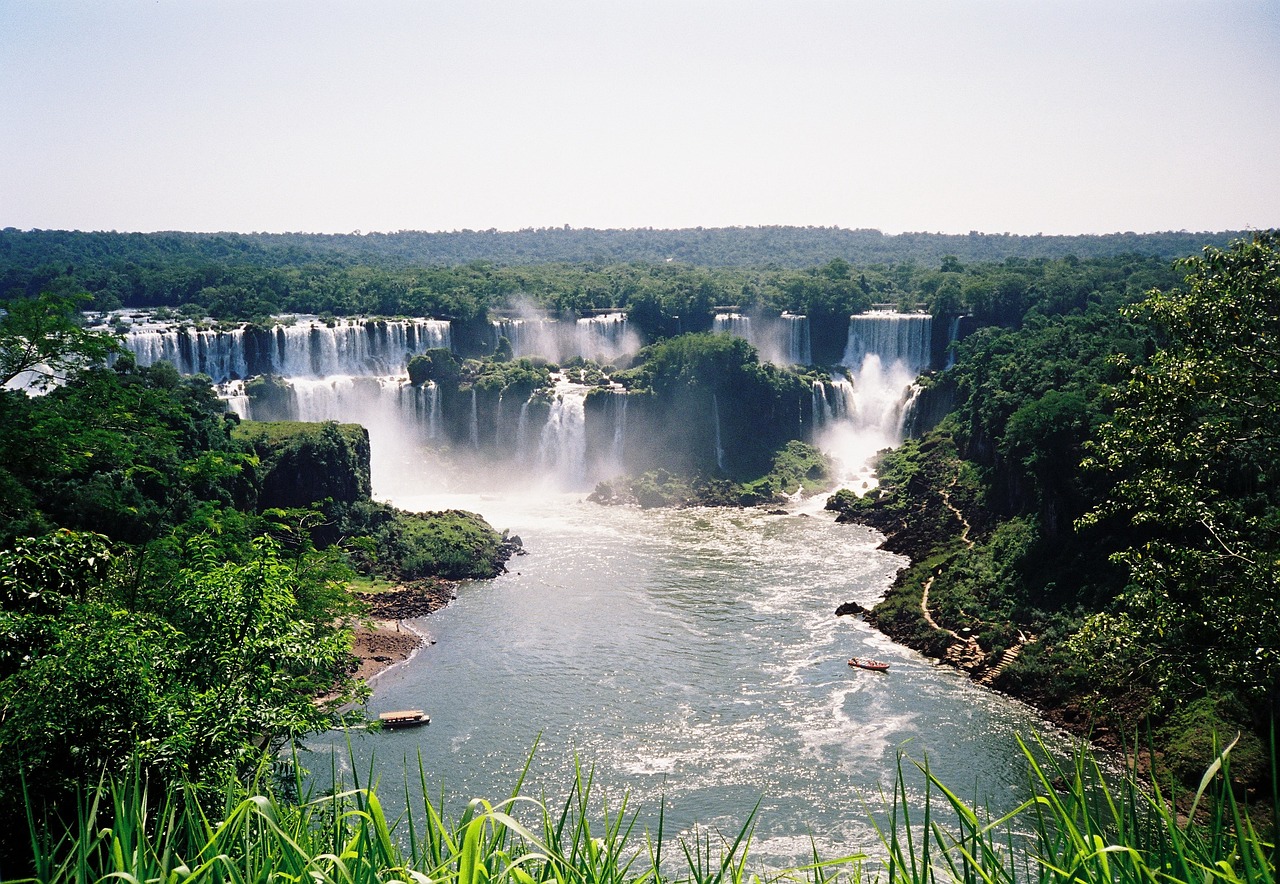

On the Brazilian side of the border, Iguaçu Falls unfolds in one breathtaking panorama — for while most of the 275 cascades lie in Argentina, it’s from Brazil that you take in the whole spectacle at once: a two-kilometre-wide curtain of thundering water and rainbows, one of the Seven Natural Wonders of the World.
A walkway leads along the gorge and out onto a platform almost beneath the falls, where you’re drenched in spray at the foot of the Devil’s Throat; all around, the subtropical rainforest teems with toucans, coatis and clouds of butterflies, best seen from the boardwalks or a helicopter high above.
Look closely at the roaring wall of water and you may spot one of nature’s boldest tricks — great dusky swifts nest on the wet cliffs behind the falls, and to reach their homes they fly straight through the cascade itself, plunging through the torrent as if it were a doorway.
3 – Fernando de Noronha
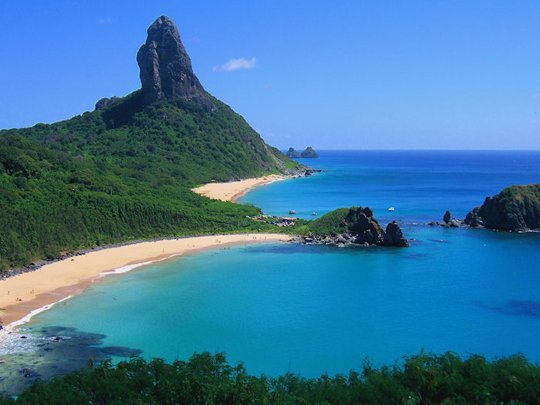
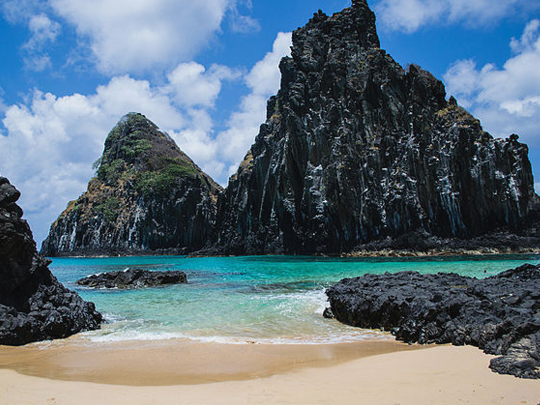
A cluster of volcanic islands adrift in the Atlantic some 350km off Brazil’s northeastern coast, Fernando de Noronha is a jealously guarded paradise — a UNESCO World Heritage Site of dazzling beaches, turquoise water and rich marine life, where the number of visitors is strictly capped and a daily conservation tax keeps the crowds away.
The reward is beaches that feel almost private, chief among them Baía do Sancho — repeatedly voted the most beautiful beach in the world — reached by clambering down a ladder through a crack in a sheer volcanic cliff; the clear waters offer some of the finest diving in the South Atlantic, alive with turtles, rays and reef sharks.
Each dawn, one of the island’s bays fills with a dazzling spectacle: hundreds of spinner dolphins pour in to rest and play in the calm water after a night of hunting — the largest gathering of spinner dolphins found anywhere on the planet.
4 – Amazon River & Rainforest
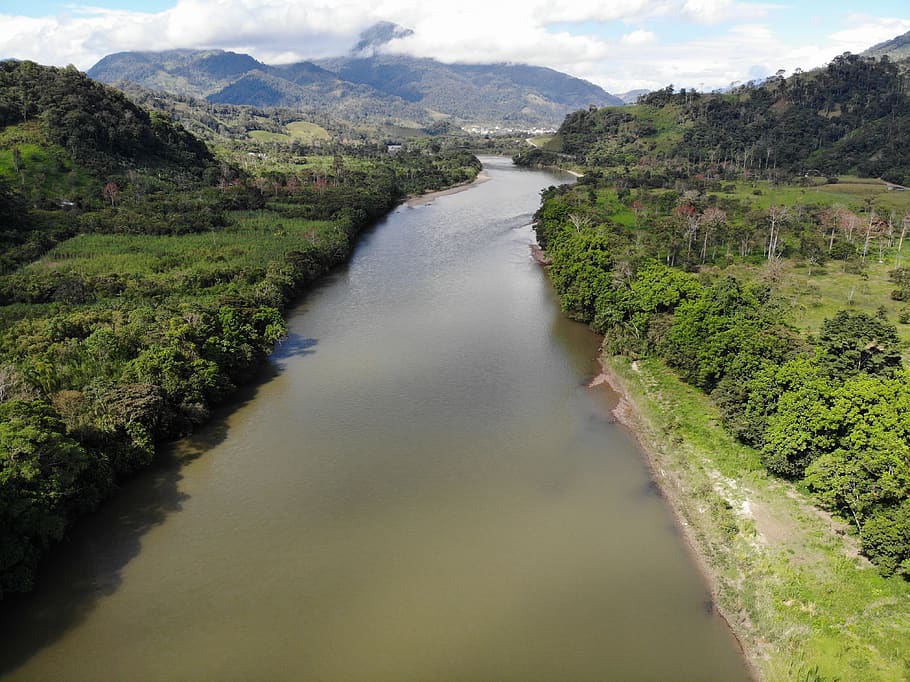
The Amazon is nature at its most immense — the largest rainforest on Earth and the most biodiverse place on the planet, home to one in every ten known species, drained by the mighty Amazon River, which carries more water than any other river in the world, roughly a fifth of all the fresh water flowing over the globe.
From the river port of Manaus, boats set off into an endless green world of flooded forest, oxbow lakes and jungle lodges, where you can spot pink river dolphins, fish for piranha and glide beneath the canopy; nearby, the “Meeting of the Waters” is a startling sight — the black Rio Negro and the sandy Solimões flowing side by side in the same channel without mixing.
For all its size, the Amazon has a curious distinction — despite stretching some 6,400km past cities and millions of people, not a single bridge crosses the main river along its entire length; it’s simply too vast and its banks too shifting, so here, as ever, the only way across is by boat.
5 – Copacabana Beach – Rio de Janeiro
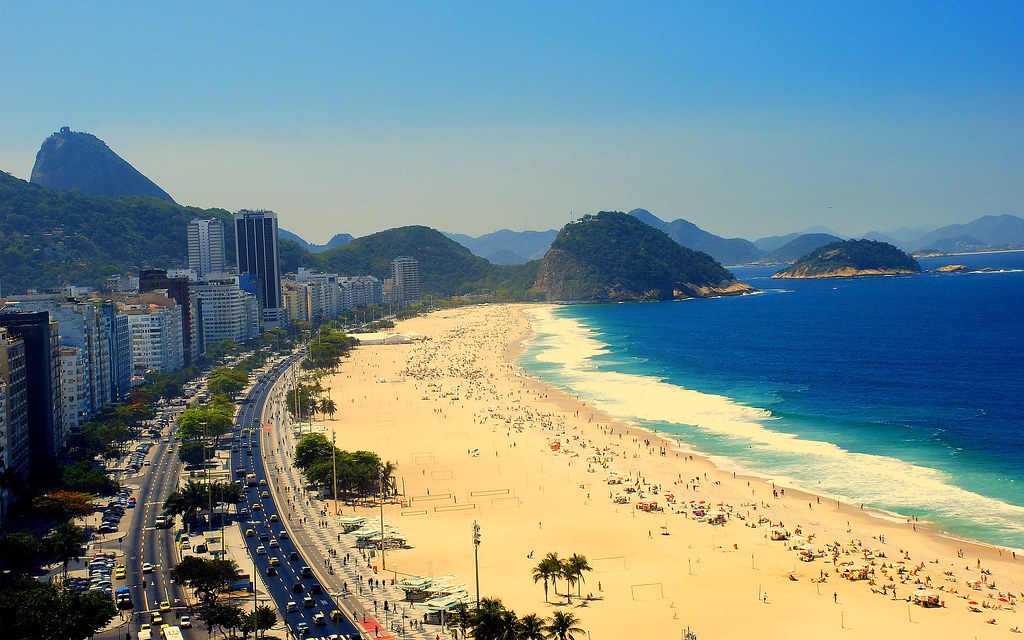
A sweeping four-kilometre crescent of golden sand backed by a wall of high-rises, Copacabana is the most famous beach on Earth — the very picture of Rio de Janeiro, where the whole city comes to swim, sunbathe, play football on the sand and stroll the wave-patterned promenade.
That black-and-white mosaic boardwalk, its undulating wave design laid by hand and copied on seafronts around the world, is the work of the great landscape architect Roberto Burle Marx; and each New Year’s Eve the beach hosts the largest such party on the planet, as some two million people dressed in white gather to watch the fireworks and cast flowers into the sea for Iemanjá, the Afro-Brazilian goddess of the ocean.
For all its very Brazilian glamour, Copacabana owes its name to Bolivia — the beach took it from a chapel that once stood here, dedicated to the Virgin of Copacabana, the patron saint of Bolivia, whose shrine sits far away on the shores of Lake Titicaca high in the Andes.
6 – Ouro Preto
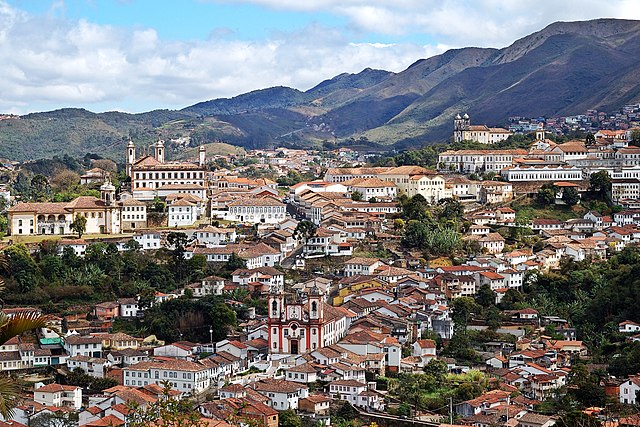
Tumbling down steep green hills in the state of Minas Gerais, Ouro Preto — “Black Gold” — was the beating heart of Brazil’s 18th-century gold rush; so much gold poured out of these mountains that the town became, for a time, the richest and most populous city in all of the Americas.
The fortune was lavished on a wonderland of baroque churches, their interiors dripping with gold leaf, above a maze of cobbled lanes and pastel mansions — a UNESCO World Heritage Site that was also the cradle of Brazil’s first great push for independence, the doomed 1789 conspiracy whose martyred hero, Tiradentes, is honoured across the nation to this day.
The town’s most breathtaking art was carved by a man known simply as “Aleijadinho” — “the Little Cripple.” Colonial Brazil’s greatest sculptor, he was struck in middle age by a wasting disease that cost him his fingers and toes — yet he carried on creating his masterpieces to the end, having his chisel and hammer strapped to the stumps of his hands.
7 – Pantanal
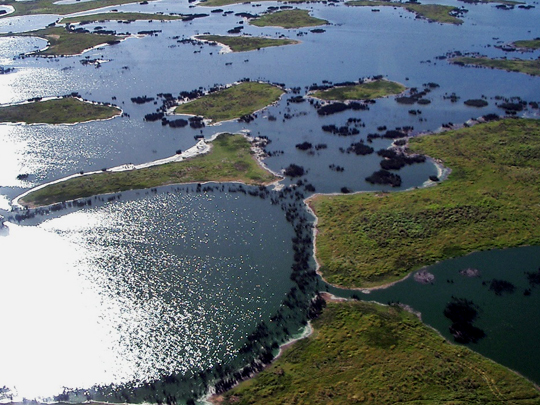
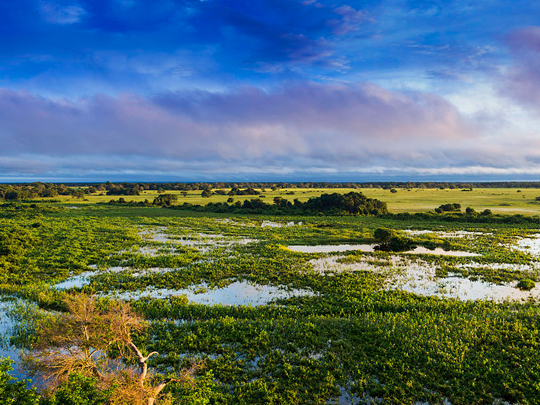
Far less famous than the Amazon but, for spotting wildlife, far better, the Pantanal is the largest tropical wetland on Earth — a vast, seasonally flooded plain in the heart of South America, many times the size of the Everglades, where each dry season the receding waters concentrate an astonishing abundance of animals out in the open, where they can actually be seen.
It’s one of the world’s great wildlife spectacles, a South American Serengeti teeming with capybaras (the world’s largest rodents), giant otters, anteaters, tapirs, cobalt-blue hyacinth macaws (the largest parrots on Earth), towering jabiru storks and literally millions of caiman crowding the rivers.
Above all, the Pantanal is the finest place on the planet to see a jaguar in the wild — the big cats reach their highest density here, and, gorging themselves on the region’s vast numbers of caiman, they grow into the largest jaguars found anywhere on Earth.
8 – Teatro Amazonas – Manaus
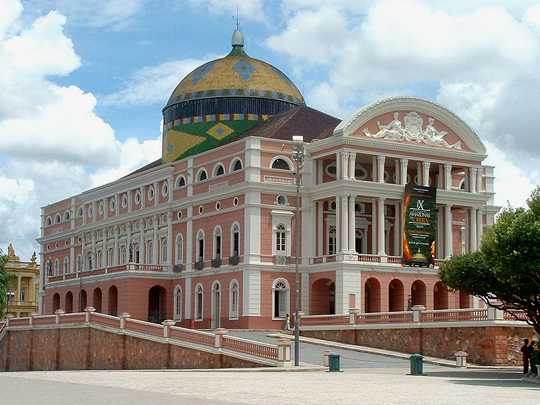
In the unlikeliest of settings — deep in the Amazon jungle, in the river city of Manaus — stands the Teatro Amazonas, a magnificent Belle Époque opera house, built in the 1890s at the dizzy height of the Amazon rubber boom, when wild rubber briefly made Manaus one of the richest cities on Earth.
Sparing no expense, the rubber barons shipped everything thousands of kilometres up the river from Europe — Italian marble, Venetian glass chandeliers, French furniture, and a great dome clad in 36,000 tiles in the colours of the Brazilian flag; so fabulously wealthy were the barons that they were said to send their laundry to Europe to be washed.
The glory was fleeting: the boom collapsed almost overnight after an Englishman smuggled rubber-tree seeds out of the Amazon to start vast plantations in Asia, which swiftly undercut Brazil — and this opera house in the jungle fell dark and silent for the best part of a century, before finally being restored to host opera once more.
9 – Olinda

One of the oldest and prettiest towns in Brazil, Olinda tumbles down a green hill above the coast of Pernambuco in a riot of pastel-painted houses, cobbled lanes and gilded baroque churches — a colonial gem so lovely that, legend says, its Portuguese founder took one look and exclaimed “Ó, linda!” — “Oh, beautiful!” — giving the town its name.
A UNESCO World Heritage Site and one of the best-preserved colonial cities in the country, Olinda is at its most exuberant at Carnival, when — unlike Rio’s ticketed stadium parade — the whole town becomes a free, joyous street party, dancing through the hills to the fast, whirling rhythm of frevo.
The unmistakable stars of that carnival are the bonecos gigantes — giant papier-mâché puppets up to four metres tall, of folk heroes, celebrities and politicians, bobbing and swaying above the crowds as they’re carried through the streets, a wonderfully surreal tradition that has delighted Olinda for a century and been copied at carnivals across Brazil.
10 – Chapada Diamantina
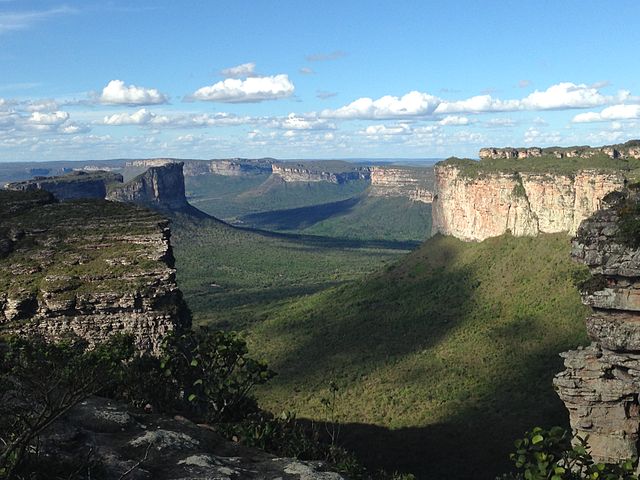
In the rugged interior of Bahia rises the Chapada Diamantina, the “Diamond Highlands” — a wild plateau of flat-topped table mountains, deep canyons, caves and waterfalls that was, in the 18th and 19th centuries, the source of a great diamond rush, at its peak the largest diamond producer in the world.
The old prospectors are gone, replaced by hikers who come for what may be Brazil’s finest trekking — climbing the iconic mesa of Morro do Pai Inácio for its sunsets, following the multi-day Vale do Pati trail, and standing atop the Cachoeira da Fumaça, one of the country’s highest waterfalls, where the plunging water dissolves into drifting “smoke.”
Hidden underground are the region’s most magical sights — flooded caves like the Poço Encantado, the “Enchanted Well,” where, for a few hours on the right days of the year, a single shaft of sunlight pierces the darkness and sets the deep, glass-clear water glowing an unearthly, luminous blue.
11 – Chapada dos Veadeiros – Goiás
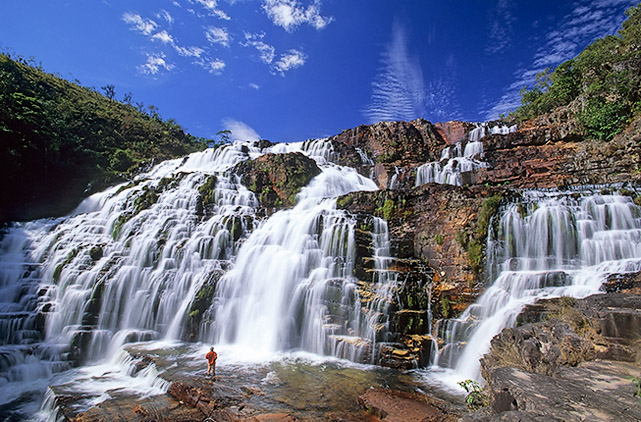
On a high plateau in the heart of Brazil, a couple of hours from the capital Brasília, Chapada dos Veadeiros is an ancient wonderland — its rocks some 1.8 billion years old, among the oldest on Earth — where crystalline rivers tumble over hundreds of waterfalls through a rare high-altitude savanna, a UNESCO World Heritage Site.
Hikers come for canyons, natural pools and moon-like rock gardens carved by water, such as the surreal Vale da Lua, “Valley of the Moon”; the whole plateau is strewn with quartz crystals, and the towns at its edge, like Alto Paraíso, have become a magnet for a colourful community of mystics, healers and seekers.
That quartz has given the region an out-of-this-world reputation — for it’s said that satellite images once showed Chapada dos Veadeiros glowing as one of the brightest natural spots on the planet, its crystal bed reflecting the light like a mirror, a story that (along with plenty of UFO lore) has made it one of the great New Age capitals of South America.
12 – Pedra da Gavea – Rio de Janeiro
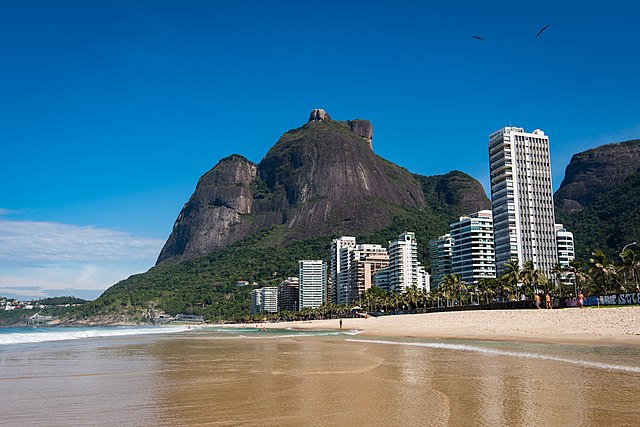
Rising almost sheer from the Atlantic on the western edge of Rio de Janeiro, Pedra da Gávea is a colossal block of granite some 844m high — often called the largest coastal monolith in the world — its flat summit commanding a breathtaking 360° view over the city, its beaches and the open sea.
Reaching that summit is a serious undertaking: one of Rio’s toughest hikes, ending in the “Carrasqueira,” a near-vertical wall of rock that must be scrambled and, for most, roped; it’s also a favourite launch point for hang-gliders who soar out over the beaches far below.
One face of the rock, seen from the right angle, forms an uncanny giant human head — the “Emperor’s Head” — and weathered marks nearby were once claimed to be an ancient Phoenician inscription, sparking a wild legend that seafarers from the Mediterranean reached Brazil thousands of years ago and carved the face; scientists say it’s all a trick of erosion and the mind.
13 – Sao Paolo

A colossal, restless megacity of concrete towers stretching to every horizon, São Paulo is the largest city in Brazil — and, indeed, in the entire Southern Hemisphere — the country’s financial powerhouse and its beating cultural and culinary heart.
It’s not a city of beaches but of energy: world-class museums along Avenida Paulista, the leafy escape of Ibirapuera Park, the grand Belle Époque Teatro Municipal, vibrant street art and one of the greatest restaurant scenes on the continent, all fed by a dizzying mix of peoples — for São Paulo is one of the world’s great immigrant melting pots, with vast Italian, Lebanese, Portuguese and Jewish communities.
Nowhere is that mix more surprising than in the district of Liberdade, a bustling “little Tokyo” of red torii gates, lanterns and Japanese shops and restaurants — for São Paulo is home to the largest community of Japanese people anywhere outside Japan itself, the heart of a diaspora that began arriving to work the coffee plantations over a century ago.
14 – Salvador da Bahia
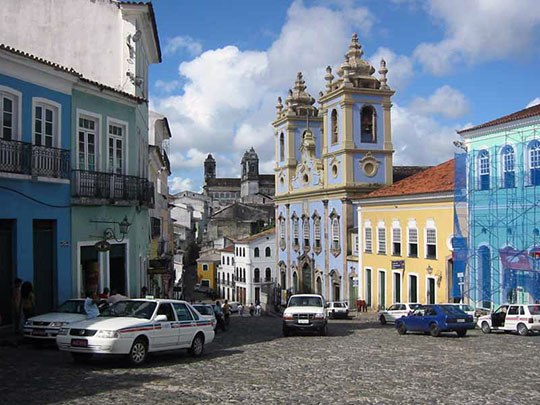
Set on a bluff above the Bay of All Saints in the northeast, Salvador was founded in 1549 by Tomé de Sousa as the first capital of Portuguese America and held that role until 1763 — and from 1558 it ran the first slave market in the New World, the port through which more than a million enslaved Africans were landed to work the sugar plantations of the Recôncavo.
The UNESCO-listed old town is a hillside of ochre and lime-washed mansions reached by the Elevador Lacerda, with the gold-smothered baroque interior of São Francisco, capoeira circles in the squares and the ribbon-hung gates of the Bonfim church, and a Carnival that is the largest street party on the planet.
The prettiest quarter in Brazil is called Pelourinho after the whipping post where enslaved people were flogged in public, and it was in these same streets that candomblé survived prohibition by matching each African orixá to a Catholic saint, so that anyone appearing to kneel before Saint Barbara was in fact honouring Iansã.
15 – Brasília


Brazil’s purpose-built capital stands on open savanna 1,100 m up in the interior, laid out by Lúcio Costa on a plan everyone describes as an aeroplane though Costa himself called it a cross of two axes, and thrown up in about 41 months after Juscelino Kubitschek won the 1955 election promising fifty years of progress in five; the government moved in on 21 April 1960.
Oscar Niemeyer designed more than twenty of the buildings and the set pieces sit within a short drive of each other: the National Congress with its twin towers and inverted concrete bowls, the crown-shaped Metropolitan Cathedral, the Praça dos Três Poderes and the Alvorada palace, with Burle Marx gardens laid between them.
UNESCO listed it in 1987, by far the youngest thing on the World Heritage list at the time — though the candangos who built it, mostly migrants from the poor northeast, had no place in the plan they had raised, and settled instead in the satellite towns that now hold most of the city’s population.
16 – Paraty

A small port on the Costa Verde between Rio and São Paulo, granted town status in 1667 and made rich a generation later when gold was struck in Minas Gerais and the Caminho do Ouro — a 1,200 km mule trail cut and cobbled by enslaved labour — came down out of the mountains to end at this quay, sending gold and diamonds to Lisbon and carrying salt, tools and enslaved people back up.
The centre is whitewashed houses with brightly painted frames and separate churches built for the different ranks of colonial society, with restored sections of the gold trail walkable in the hills behind, distilleries making the cachaça the town has been known for since the 1700s, and boats out to the islands; UNESCO listed the town and its surrounding forest together in 2019.
The streets were deliberately laid below the high-water mark, so a few times a month the spring tide comes in through the historic centre, washes the cobbles clean and drains back out to sea. Paraty was bypassed by new roads and the railway and left forgotten for nearly a century, which is precisely why it survived intact.