
Wikimedia Commons / CC-BY-SA-3.0 / GFDL
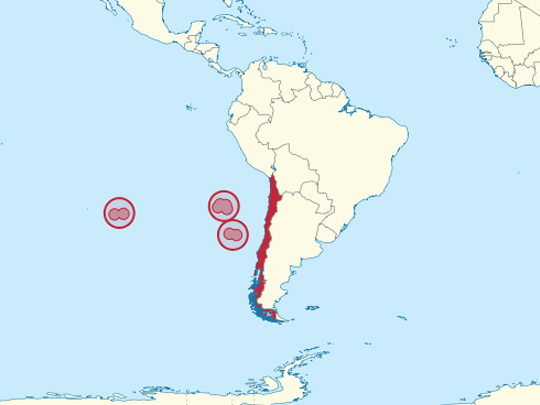
Capital: Santiago
Population: 18.4 million+
Language: Spanish (Mapudungun and Rapa Nui also spoken)
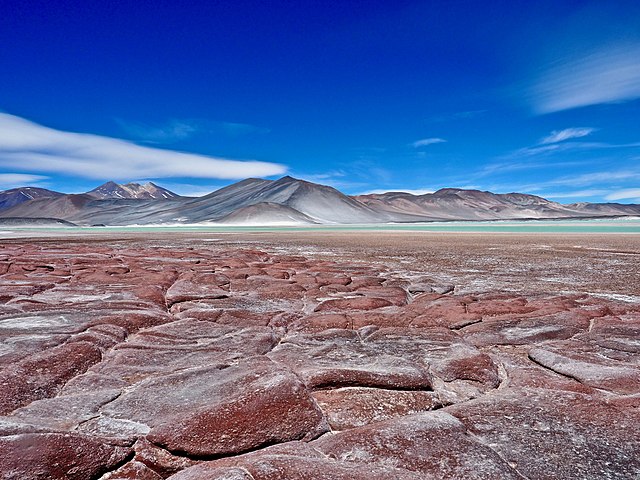
1 – Atacama Desert (also above)
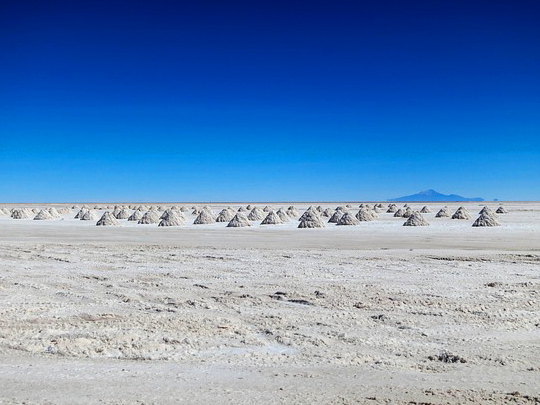
The Atacama Desert stretches some 1,600 km down northern Chile between the Pacific and the Andes, the driest non-polar desert on Earth, where NASA tests Mars rover technology, and on its southern edge lies Vallenar, founded in 1789 by the Sligo-born governor Ambrosio O’Higgins and named after his home townland of Ballinary.
From the oasis town of San Pedro de Atacama, travellers explore the wind-carved Valle de la Luna, salt lagoons dotted with flamingos and, at dawn, El Tatio, the Southern Hemisphere’s largest geyser field, where more than 60 geysers steam at about 4,320 m.
The Atacama’s dry, clear, dark skies have drawn many of the world’s greatest telescopes, including ALMA and the Very Large Telescope, giving Chile around 40% of the world’s astronomical observing capacity.
2 – Torres del Paine National Park
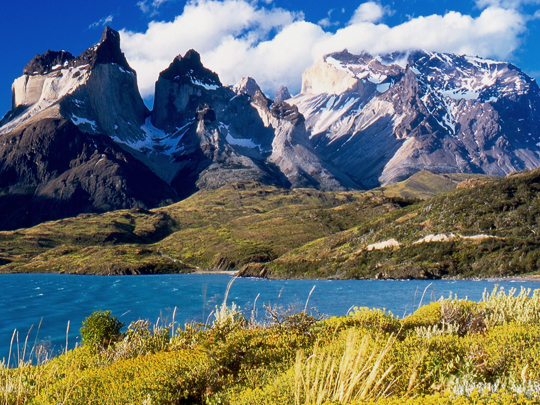
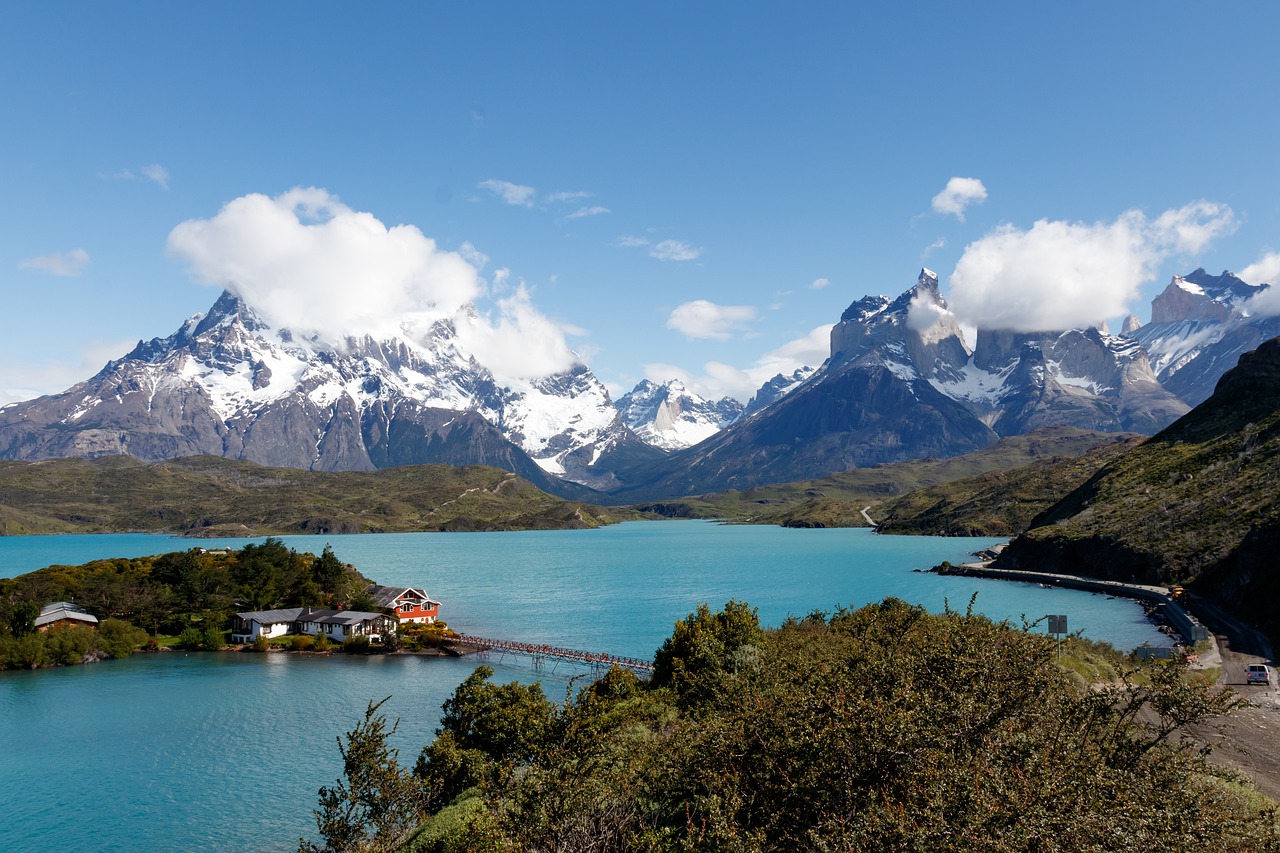
Torres del Paine National Park, in Chilean Patagonia, is a UNESCO Biosphere Reserve where three sheer granite towers and the dark-capped Cuernos, the “Horns”, of the Paine massif rise above golden steppe, turquoise lakes and glaciers.
Torres del Paine is one of the world’s great trekking destinations, crossed by the multi-day “W” and “O” circuits to the base of the towers, the French Valley and Grey Glacier, while guanacos graze the steppe and Andean condors circle overhead.
Torres del Paine is one of the few places in the world where wild pumas can reliably be seen, drawn by the guanacos that are their main prey, and expert trackers lead visitors out to find them.
3 – Easter Island
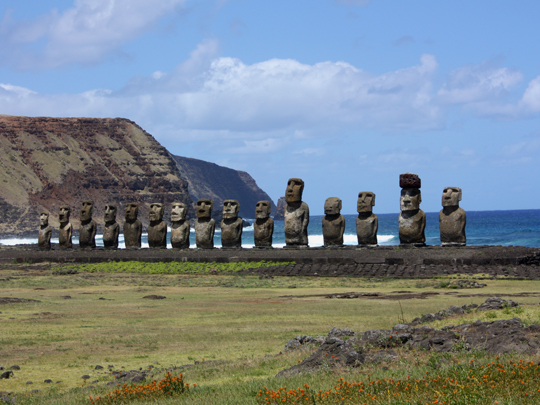
Easter Island, or Rapa Nui, is a tiny volcanic island about 3,600 km off the Chilean coast, one of the most isolated inhabited places on Earth, famous for its moai, around 1,000 great stone figures carved by its Polynesian people over several centuries, and Chile’s first UNESCO World Heritage Site.
Most of Easter Island’s moai were carved at the Rano Raraku quarry and raised on stone platforms, most facing inland as ancestral figures, and the tallest ever erected, Paro, stood 9.8 m and weighed about 74 tonnes.
On the slopes of Rano Raraku, many of Easter Island’s famous “heads” are full statues buried to their shoulders, and experiments with replicas suggest the islanders “walked” the moai upright, rocking them from side to side with ropes.
4 – Lauca National Park
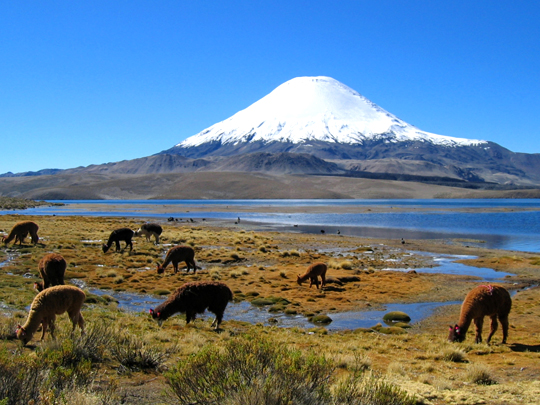
Lauca National Park lies on the altiplano of Chile’s far north, near the Bolivian border, at over 4,500 m, crowned by the twin Payachata volcanoes and Lake Chungará, at about 4,500 m one of the highest lakes in the world.
Lauca National Park is a place of silent beauty, with snow-capped volcanoes reflected in calm water, flamingos, condors and herds of vicuña, more than 140 bird species, and the 17th-century church of the Aymara village of Parinacota.
The vicuñas of Lauca National Park carry one of the finest natural fibres in the world, so prized that in Inca times only royalty could wear it, gathered in the chaccu, a communal round-up, shearing and release dating back to the Incas.
5 – Viña del Mar
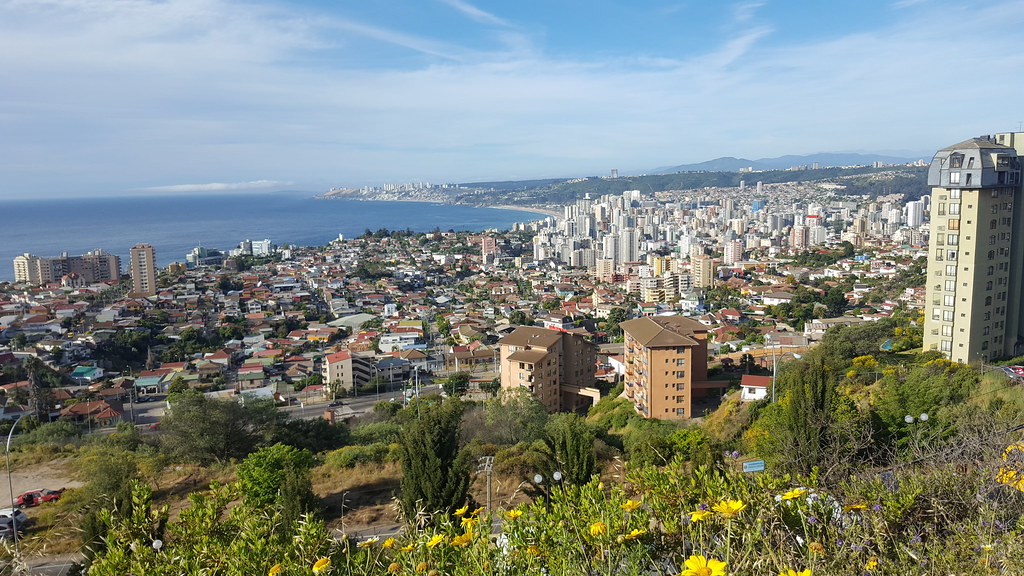
Viña del Mar, just up the coast from Valparaíso, is Chile’s best-known seaside resort, the “Garden City”, with golden beaches, palm-lined promenades, parks, grand mansions and its famous Casino Municipal.
Viña del Mar’s symbol is the Reloj de Flores, a working clock with a face of flowers built for the 1962 World Cup, and the Fonck Museum displays a genuine moai from Easter Island.
Almost every February since 1960, Viña del Mar has hosted its International Song Festival, often called Latin America’s biggest music festival, famous for an audience so demanding that it is known as “El Monstruo”, the Monster.
6 – Pucón
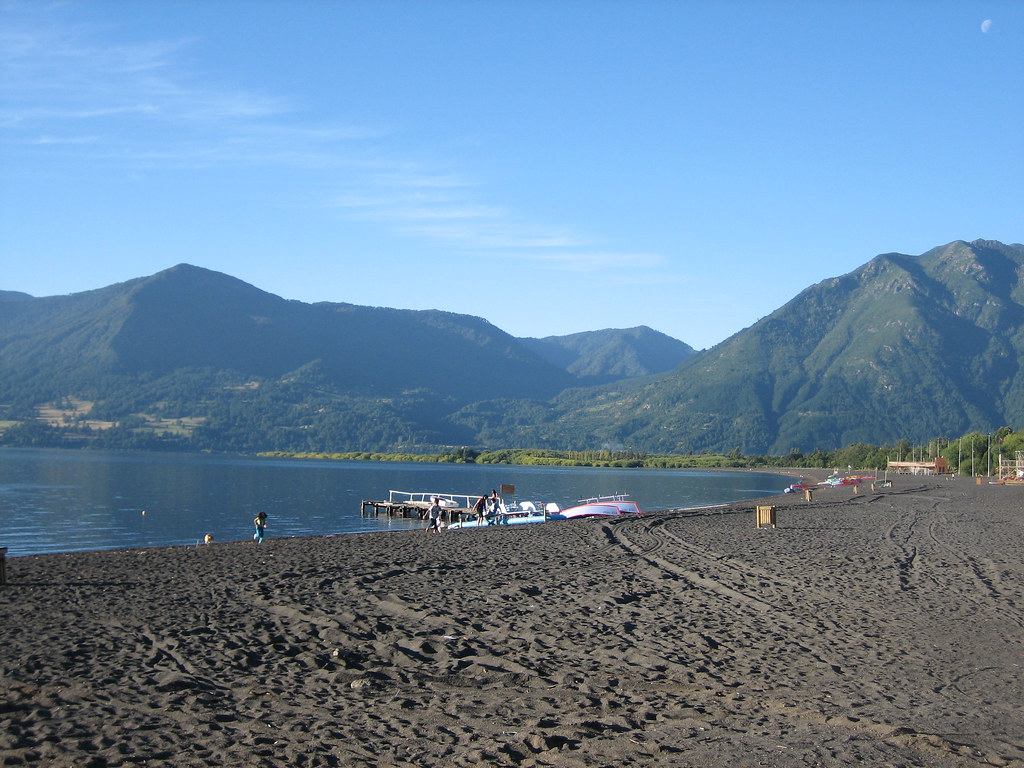
Pucón, on the shore of Lake Villarrica in Chile’s Lake District, is the country’s adventure capital, a lively resort for rafting, mountain biking, hot springs and, above all, climbing a volcano.
The volcano above Pucón is Villarrica, one of Chile’s most active, known to the Mapuche as Rucapillán, a name usually translated as “house of the great spirit”, rising above forests of the ancient araucaria, or monkey puzzle tree.
Villarrica, above Pucón, holds an intermittent lava lake in its crater, one of only a small number of volcanoes on Earth known to have one, and in quiet spells, guided climbers can peer over the rim at the glow below.
7 – Chiloé
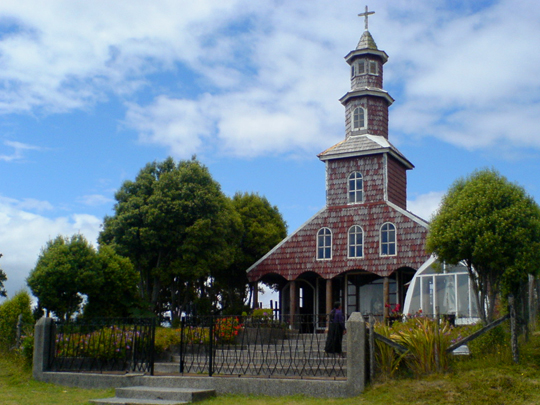
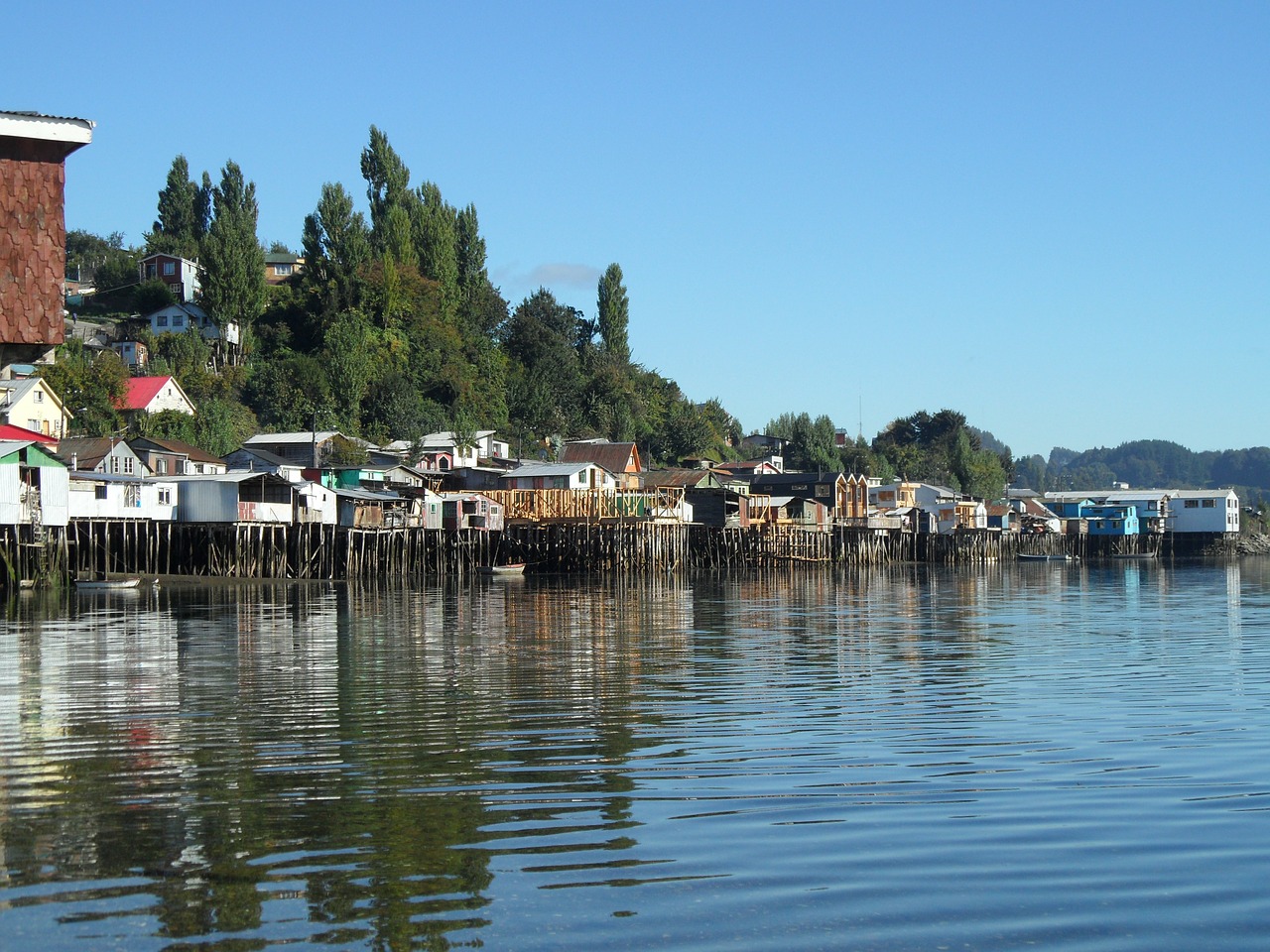
Chiloé is a misty archipelago off southern Chile with a culture of its own, famous for its wooden churches, introduced by Jesuit missionaries from the early 1600s, of which 16 are a UNESCO World Heritage Site, built of native woods and traditionally joined with wooden pegs rather than iron nails.
Chiloé’s waterfronts are lined with palafitos, brightly painted houses on stilts over the tide, its tables with curanto, shellfish, meat and potatoes cooked over hot stones in an earth pit, and penguins nest on its wild Pacific shore at Puñihuil.
Chiloé is an island of legends, of the Trauco, a goblin of the forest, the Pincoya, a sea spirit who decides whether the fishing will be good, and the Caleuche, a ghost ship crewed by the drowned that glides through the fog ablaze with light.
8 – Plaza de Armas, Santiago
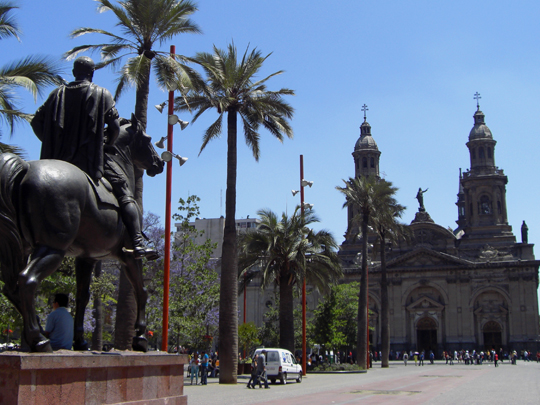
The Plaza de Armas is where Santiago began, for it was here in 1541 that the conquistador Pedro de Valdivia founded the city, laying out its grid of streets around this central square.
Around the Plaza de Armas stand the Metropolitan Cathedral, the Central Post Office, built on the site of the colonial Governors’ Palace, and the National History Museum, while street performers, chess players and painters gather beneath its palms.
The Plaza de Armas is traditionally Chile’s Kilometre Zero, the point from which road distances are measured, at the heart of one of the world’s longest, thinnest countries, stretching more than 4,000 km from desert to ice.
9 – Memorial for the Disappeared, Santiago
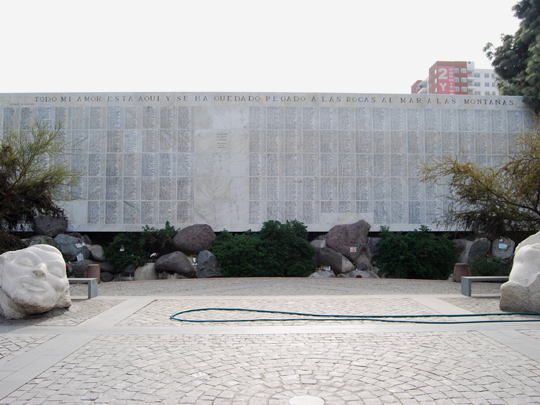
In Santiago’s General Cemetery, founded in 1821 by Chile’s independence leader Bernardo O’Higgins, son of the Sligo-born governor Ambrosio O’Higgins, stands the Memorial del Detenido Desaparecido y del Ejecutado Político, inaugurated in 1994 to those disappeared or executed under the military dictatorship.
The Memorial for the Disappeared is a long stone wall carved with the names of thousands of victims of General Augusto Pinochet’s regime, which seized power on 11 September 1973, when President Salvador Allende died as the presidential palace was bombed, and Allende’s name stands at the centre.
For families whose relatives were never found, the Memorial for the Disappeared is the only grave they have, and Chile’s official truth commissions recognised 3,216 people killed or disappeared, while nearby Patio 29 holds rows of iron crosses marked only “NN”, “no name”.
10 – San Rafael Glacier
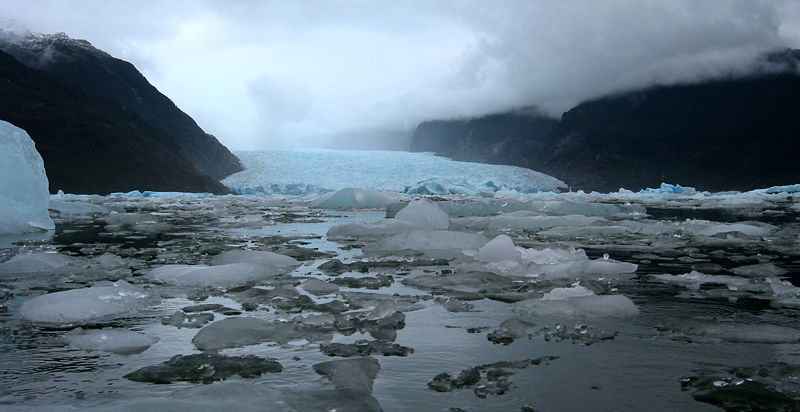
The San Rafael Glacier flows down from the Northern Patagonian Ice Field into a lagoon dotted with icebergs in Laguna San Rafael National Park, a remote biosphere reserve usually reached by boat through the fjords from Puerto Chacabuco.
The voyage to the San Rafael Glacier threads through fjords, channels and islands past waterfalls and temperate rainforest before small boats nose in among the ice floes towards its towering, calving wall of blue ice.
The San Rafael Glacier is the closest glacier to the equator to reach the sea, moving about 7.6 km a year, the fastest in Patagonia, though satellite images show it has retreated markedly since the late 1800s.
11 – Juan Fernández Islands

The Juan Fernández Islands are a cluster of jagged volcanic islands about 670 km off the coast of Chile, a national park since 1935 and sometimes compared to the Galápagos, with about 63% of their native plants found nowhere else on Earth.
The Juan Fernández Islands shelter the critically endangered Juan Fernández firecrown, the only hummingbird endemic to an oceanic island, and the Juan Fernández fur seal, once hunted almost to extinction.
The main Juan Fernández island is called Robinson Crusoe Island, for in 1704 the Scottish sailor Alexander Selkirk was put ashore here at his own request and lived alone for more than four years until his rescue in 1709, a story widely thought to have inspired Daniel Defoe’s Robinson Crusoe.
12 – Valparaíso
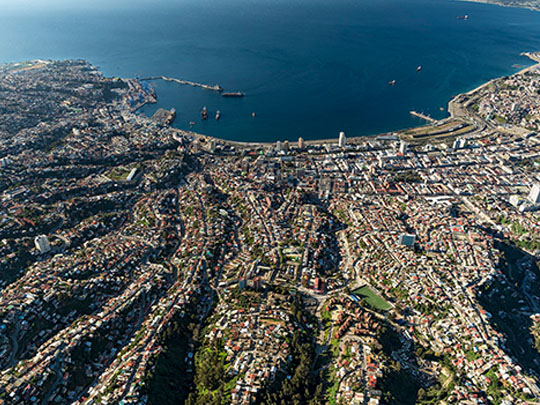

Valparaíso, a steep amphitheatre of a port on Chile’s central coast, was a leading merchant port of the late 19th century and a required stop for ships rounding Cape Horn, and in 1818 its bay saw the Irish captain George O’Brien mortally wounded boarding the Spanish frigate Esmeralda, crying “the frigate is ours”.
Valparaíso’s UNESCO-listed old quarter climbs some 40 hills, largely developed by English and German immigrants, linked by ascensores, wooden funiculars dating from 1883, and crowned by staircases, murals and Pablo Neruda’s house, La Sebastiana.
The Panama Canal ended Valparaíso’s boom when it opened in 1914, and the hillside city left behind is, in UNESCO’s words, “exceptional testimony to the early phase of globalisation in the late 19th century”.
13 – Chinchorro Mummies – Arica
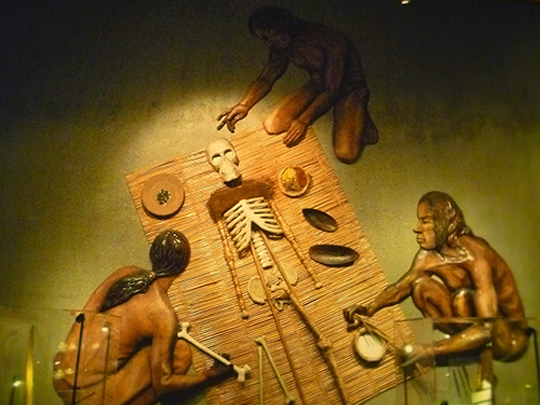

Along the desert coast around Arica in Chile’s far north, the Chinchorro, a people of fishers and gatherers, began mummifying their dead about 7,000 years ago, the oldest known artificial mummification on Earth, some 2,000 years before Egypt, listed by UNESCO in 2021.
The Chinchorro mummies can be seen at the Colón 10 museum in Arica, where 48 of them lie where they were found beneath a glass floor, and at the University of Tarapacá’s archaeological museum in the Azapa valley, which holds around 300.
The Chinchorro took apart the bodies of the dead, rebuilt them around sticks and reeds with clay faces and wigs of human hair, then coated them in black manganese or red ochre, mummifying everyone, including babies and the unborn.
14 – Punta Arenas and the Strait of Magellan
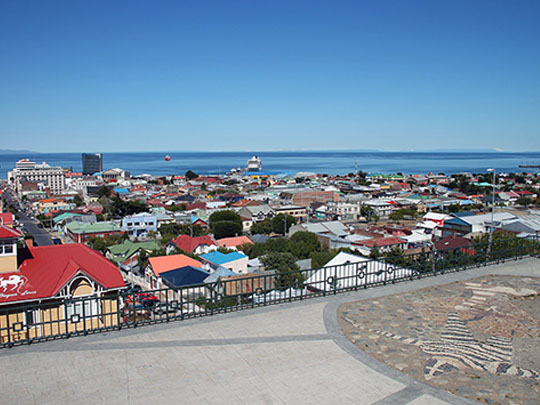
The Strait of Magellan, a passage of some 560 km between the Atlantic and the Pacific, was first navigated by Ferdinand Magellan in 38 days in 1520, and on its shore stands Punta Arenas, founded in 1848, a coaling port for passing ships until the Panama Canal opened in 1914.
In the main square of Punta Arenas, touching the toe of the Indigenous figure at the foot of the 1920 Magellan monument is said to bring visitors back, while boat trips cross the Strait of Magellan to Isla Magdalena, where tens of thousands of Magellanic penguins nest.
In August 1916, the Kildare-born explorer Ernest Shackleton sailed from Punta Arenas aboard the Chilean tug Yelcho, commanded by Luis Pardo, with Frank Worsley and the Kerryman Tom Crean, and on 30 August rescued his stranded crew from Elephant Island.