
Wikimedia Commons / CC-BY-SA-3.0 / GFDL
Capital: Havana
Population: 11 million+
Language: Spanish
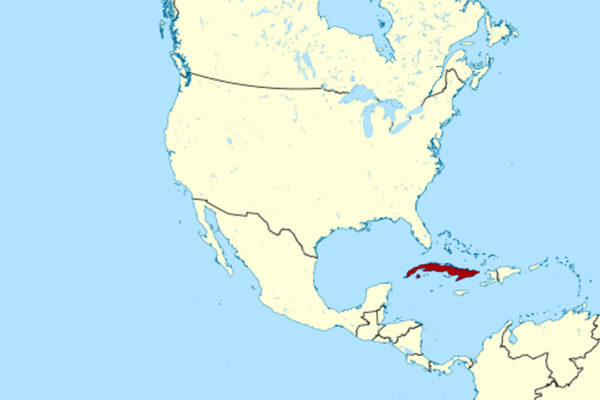
1 – Havana (also above)
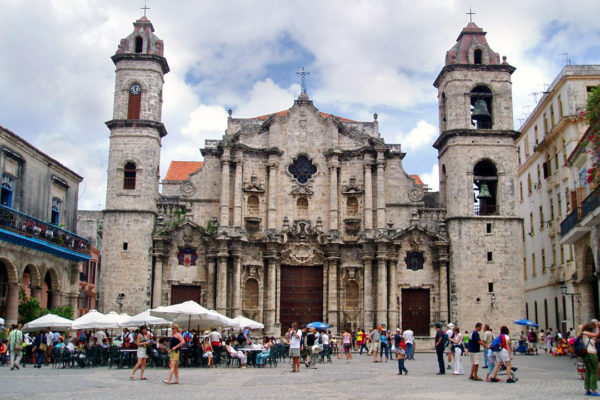
Cuba’s capital was moved to this deep, easily defended harbour on the north coast in 1519, and the fortified city that grew around it became Spain’s great staging post for the Americas — the old centre has been a UNESCO World Heritage Site since 1982.
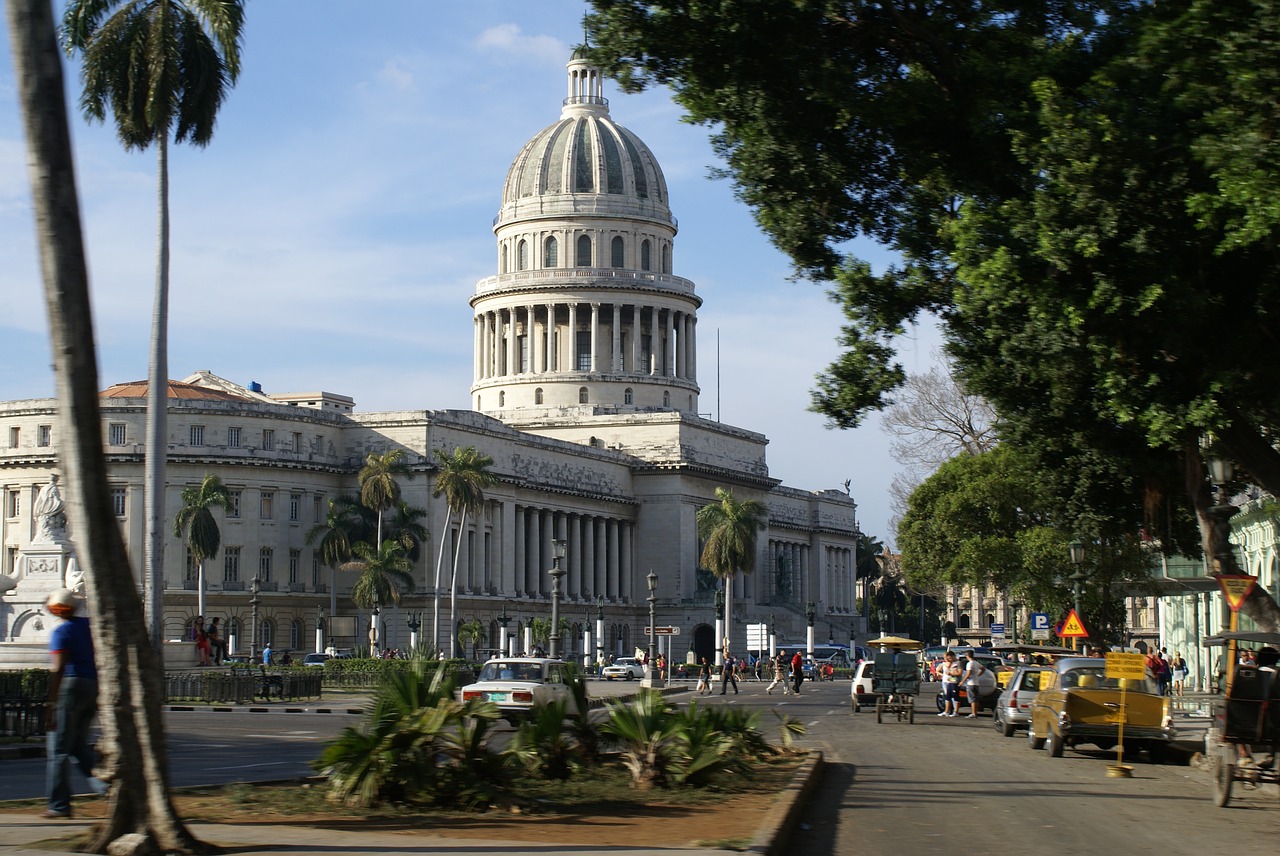
Walk the plazas and colonnades of Habana Vieja, out along the Malecón sea wall at dusk, and up to El Capitolio, the domed parliament building of 1929 that everyone compares to Washington’s.
The comparison is the point: the Capitolio was built when Cuba was effectively an American client state, and locals will tell you it’s a metre taller than the one in Washington — after 1959 it was handed to the Academy of Sciences, and the American cars in the street outside became heirlooms because no new ones could be imported.
2 – Trinidad
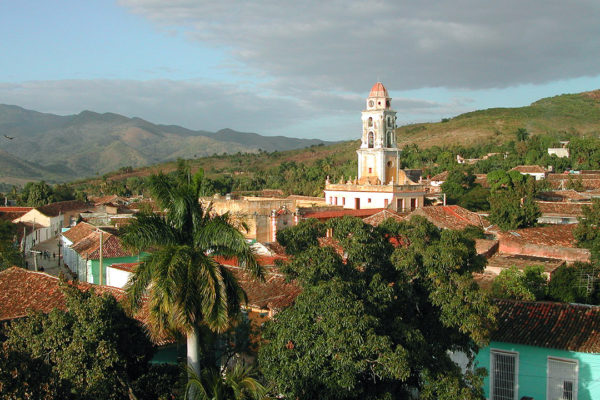
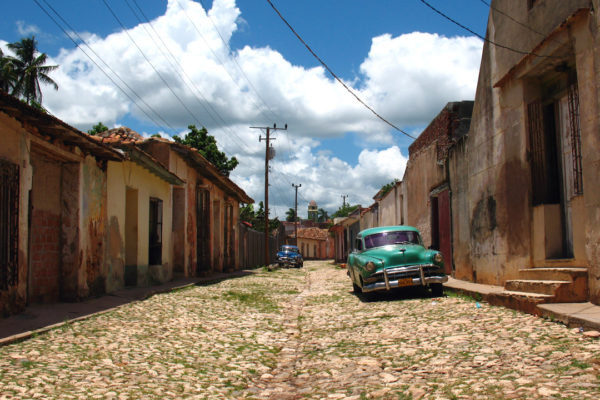
Founded in 1514 on the south coast, Trinidad grew rich in the 18th and 19th centuries on the sugar cut in the Valle de los Ingenios behind it, where dozens of mills were worked by tens of thousands of enslaved Africans.
The result is a town of cobbled streets and pastel mansions that stopped dead when the sugar money went, now a UNESCO site along with the valley; ride out to the Manaca Iznaga estate and climb its 45-metre tower.
That tower was built by the plantation’s owner around 1816, and the accepted story is that it was for watching the enslaved workers in the cane — the bell that called them to work now sits on the ground at its foot.
3 – Cienfuegos
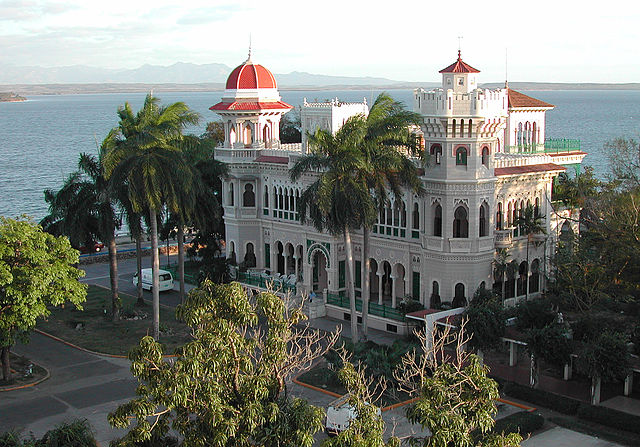
Alone among Cuban cities, Cienfuegos was founded by the French: settlers from Bordeaux and Louisiana laid it out on a bay on the south coast in 1819, under Spanish licence, and their street grid and neoclassical facades earned it UNESCO listing in 2005.
Stroll the Parque José Martí with its triumphal arch and theatre, then walk the Prado down to the water at Punta Gorda for the Palacio de Valle, a 1917 fantasy of Moorish, Gothic and Venetian details built by a sugar merchant.
They call it the Pearl of the South, and Cuba’s great bandleader Benny Moré — born nearby, not in the city — made it famous by singing that it was the city he liked best.
4 – Viñales

In the far west, in tobacco country, the Viñales valley is a floor of red earth studded with mogotes — sheer-sided limestone towers left behind when an ancient plateau eroded away — and a UNESCO cultural landscape since 1999.
Go up to the Mirador de los Jazmines for the view, walk or ride out through the tobacco fields to a farm and watch cigars rolled by hand, and take the boat through the underground river in the Cueva del Indio.
The mogotes are riddled with caves that sheltered pre-Columbian people and, later, communities of escaped enslaved people — and the fields between them are still worked with oxen, because the ground is too soft and steep for tractors.
5 – Bay of Pigs
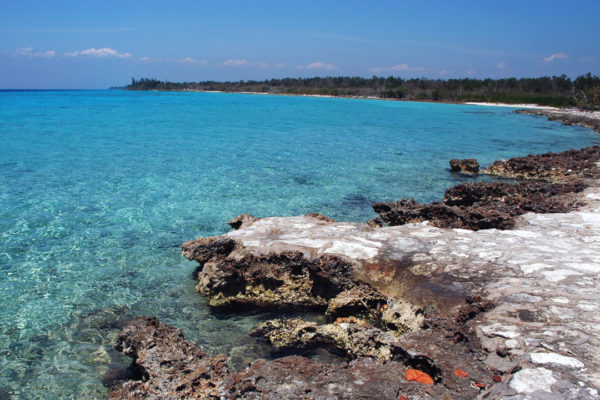
A long inlet on the south coast backed by swamp, the Bahía de Cochinos was chosen in April 1961 as the landing site for a CIA-organised invasion by some 1,400 Cuban exiles, defeated within three days.
Playa Girón has a museum of the battle — photographs, weapons, a Cuban air force Sea Fury parked outside — and the coast around it has some of the best snorkelling in Cuba, including the Cueva de los Peces, a flooded sinkhole 70 metres deep.
The failure was a humiliation for the young Kennedy administration, pushed Cuba closer to the Soviet Union and helped set up the missile crisis eighteen months later — and the beach itself is named after a French pirate the locals are said to have beheaded here in the early 1600s.
6 – Camagüey
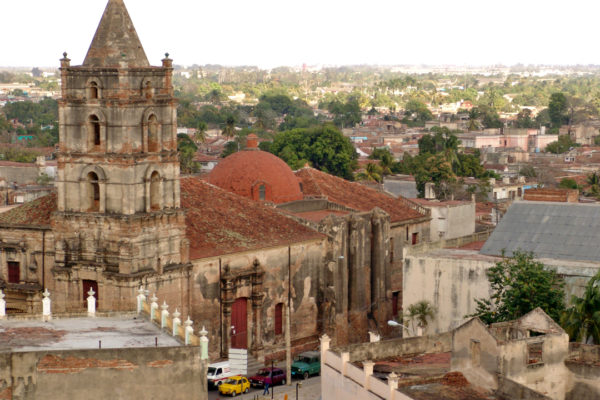
Cuba’s third city, founded in 1514 and moved inland in 1528, sits on a cattle plain in the centre of the island, and its historic core — the largest in Cuba — was UNESCO-listed in 2008.
The old town is a genuine maze of short, crooked streets opening onto small squares, dotted everywhere with tinajones, the enormous clay water jars that are the city’s emblem.
The story everyone tells is that the streets were rebuilt as a labyrinth to trap pirates after Henry Morgan sacked the city in 1668 — historians now suspect the real answer is simply that nobody planned it, but the pirate version makes the better tale.
7 – Holguín
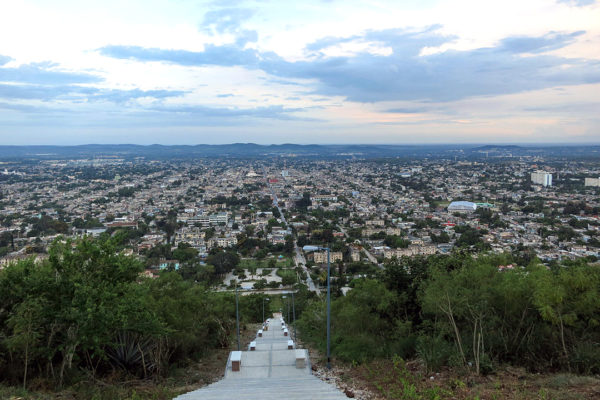
A city of squares in the hilly east, Holguín was founded in 1720 and looks out over the stretch of north coast where Columbus made his first landing in Cuba, at Bariay, in October 1492.
Climb the 458 steps of the Loma de la Cruz for the view over the whole city, then come back down to Parque Calixto García, where everything happens, and the provincial museum on its edge.
The cross at the top of that hill goes back to 1790, when a Franciscan friar is said to have put one there to end a drought — and Columbus, arriving below, reportedly called this the most beautiful land human eyes had ever seen.
8 – Varadero
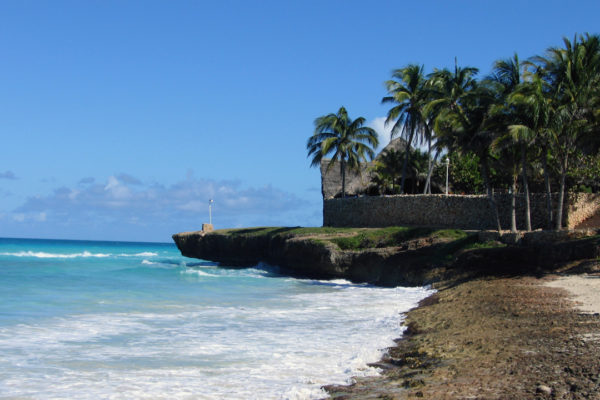
Varadero runs along the Hicacos peninsula, a sliver of land barely a kilometre wide pointing north-east from the coast east of Havana, and its 20-odd kilometres of white sand made it Cuba’s first proper resort.
It’s a long, straight, shallow-shelving beach with more than fifty hotels behind it, plus a golf course and a clifftop mansion you can eat and drink in.
That mansion is Xanadú, built between 1926 and 1930 by the American chemicals millionaire Irénée du Pont, who bought up much of the peninsula and effectively invented Varadero — Al Capone was among the guests, and the house has barely changed since the family left in 1959.
9 – Santiago de Cuba

Cuba’s second city sits in a horseshoe valley at the far south-east end of the island, behind a bay whose entrance is almost invisible from the sea; founded in 1515, it was the colony’s capital until the 1550s and the first Cuban port to receive enslaved Africans.
Above the harbour mouth stands the Castillo de San Pedro de la Roca, a 17th-century fortress built against pirates and UNESCO-listed in 1997, and out west is the Santa Ifigenia cemetery, where José Martí and Fidel Castro are both buried.
The Cuban Revolution began here on 26 July 1953 with a failed attack on the Moncada barracks, and ended here too — on 1 January 1959 Castro proclaimed victory from the balcony of the city hall.
10 – Santa Clara
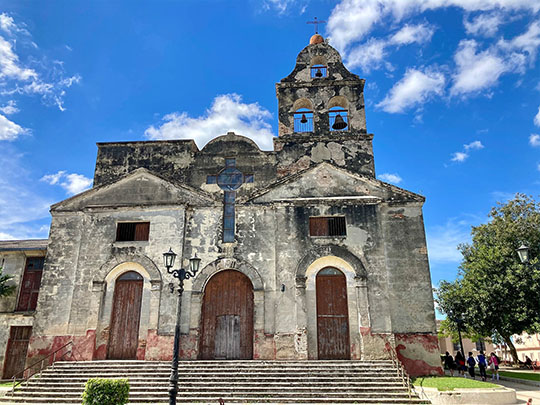
A university city in the flat centre of the island, founded in 1689, Santa Clara is where the Cuban Revolution was effectively won: whoever held it held the road and rail line between Havana and the east.
Two sites dominate: the Tren Blindado, an open-air museum built around the derailed armoured boxcars, with the bulldozer that did the job mounted on a plinth; and the Plaza de la Revolución across town, where a bronze Che stands over a museum and the mausoleum holding his remains and those of comrades killed with him.
On 29 December 1958 Guevara and a small group of fighters tore up the track with that borrowed bulldozer and stopped a train carrying several hundred government troops and their weapons — Batista fled the country within about a day, and Che’s own body wasn’t found until 1997, in an unmarked grave in Bolivia, thirty years after his death.