Wikimedia Commons / CC-BY-SA-3.0 / GFDL
Capital: St George’s
Population: 105,000+
Language: English
1 – St George’s (also above)
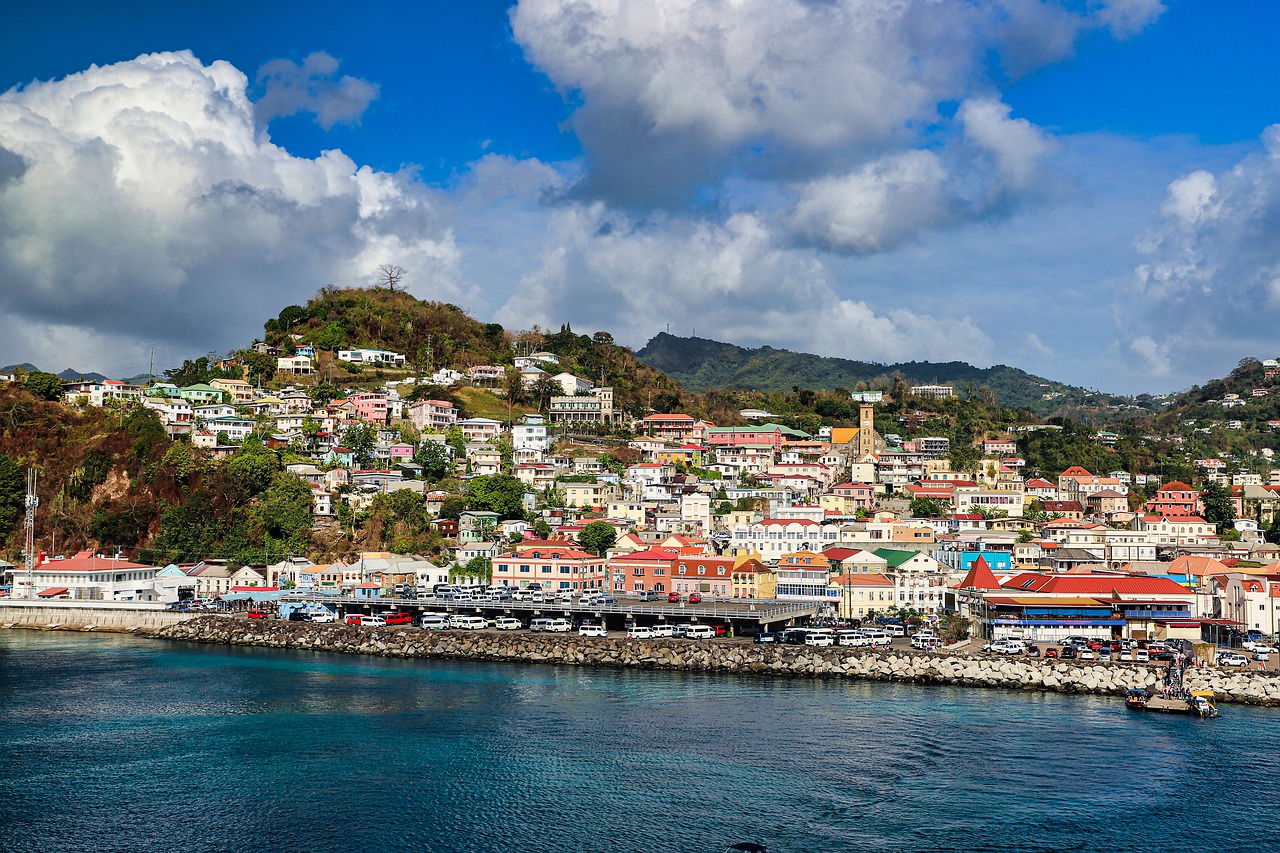
Grenada’s capital wraps around a horseshoe harbour that is the flooded crater of an old volcano, and its steep streets of red-tiled Georgian warehouses climb straight out of the water on both sides.
Walk the Carenage around the inner harbour, go up to Fort George on the headland for the view over the rooftops, and look in at the market for the nutmeg and mace that made the island’s name.
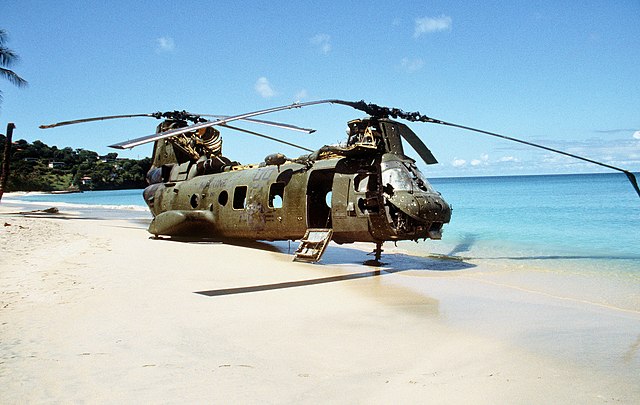
Fort George, built by the French from about 1705, is where Grenada’s revolution ended: on 19 October 1983 Prime Minister Maurice Bishop and seven others were executed in its courtyard by a faction of his own party, and the United States invaded six days later.
2 – Grand Anse
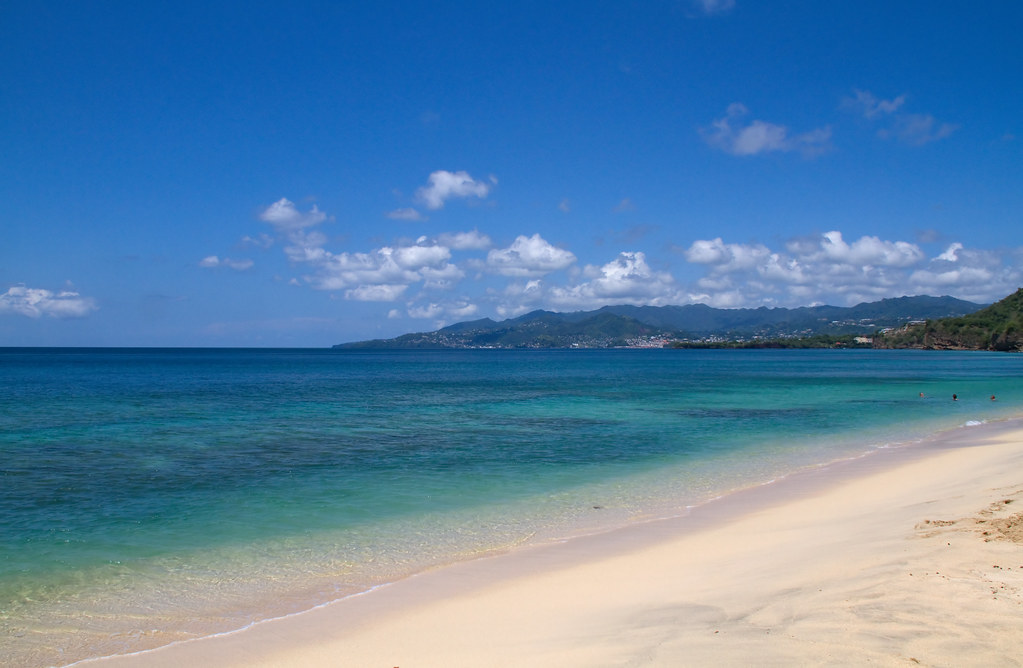
A two-mile arc of pale sand just south of the capital, Grand Anse is Grenada’s main beach and the place the island’s tourism was built around after independence in 1974.
It’s a calm, gently shelving bay with a short water-taxi ride into St George’s — and a few miles up the coast, in Molinere Bay, is the reason most people now come here with a snorkel.
That’s the world’s first underwater sculpture park, opened in 2006: dozens of life-size concrete figures cast from local people, standing on the seabed at five to eight metres, put there to grow coral after Hurricane Ivan wrecked the reef in 2004 — the best known, a ring of children holding hands, is widely read on the island as a memorial to the Middle Passage.
3 – Carriacou
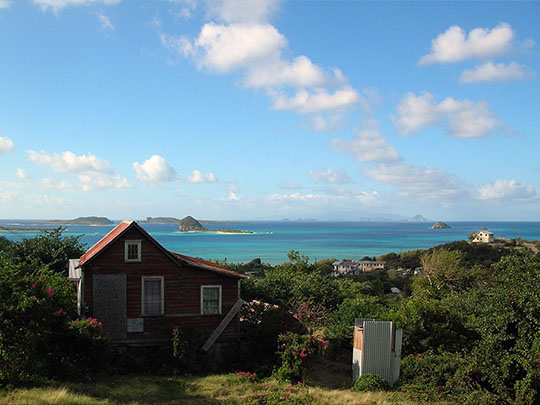
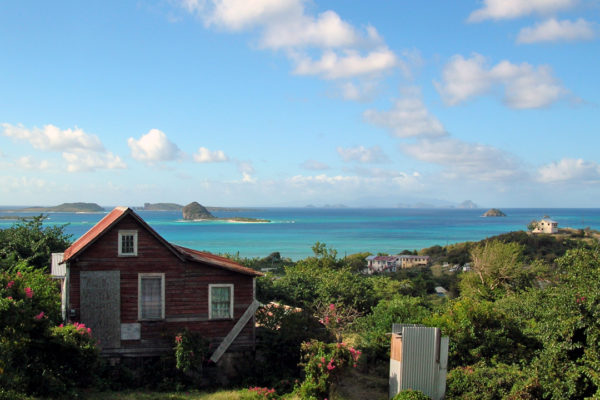
Twenty-odd miles north of the main island, Carriacou is the largest of the Grenadines belonging to Grenada — a dry, hilly island of about 6,000 people whose name is usually translated as “land of reefs”.
Hillsborough is the one small town, the beaches are empty, and boats run out to Sandy Island, a sandbar with a few palms on it; the island’s calendar turns on the August regatta and on Carnival.
Carriacou still builds wooden sloops by hand on the beach at Windward, a skill brought by Scottish shipwrights in the 19th century — and the island took the full force of Hurricane Beryl on 1 July 2024, which flattened much of it and left the Prime Minister describing the scene as Armageddon-like.