
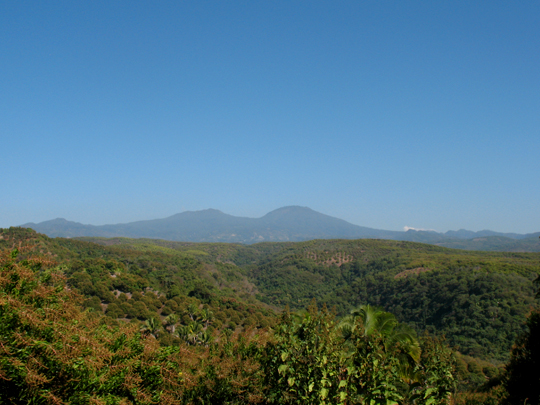
By Christian Frausto Bernal / Wikimedia Commons / CC BY-SA 2.0

Capital: Asunción
Population: 6.1 million+
Language: Spanish and Guaraní
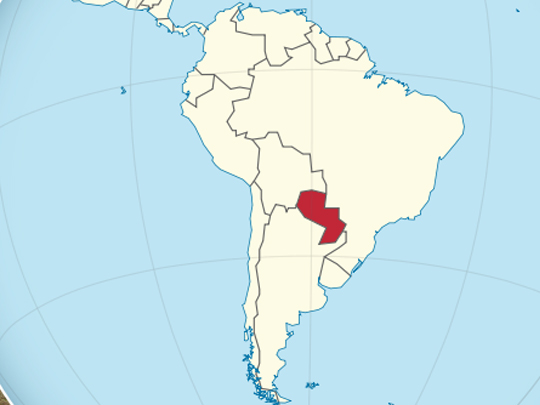

1 – Cerro Corá National Park (also above)
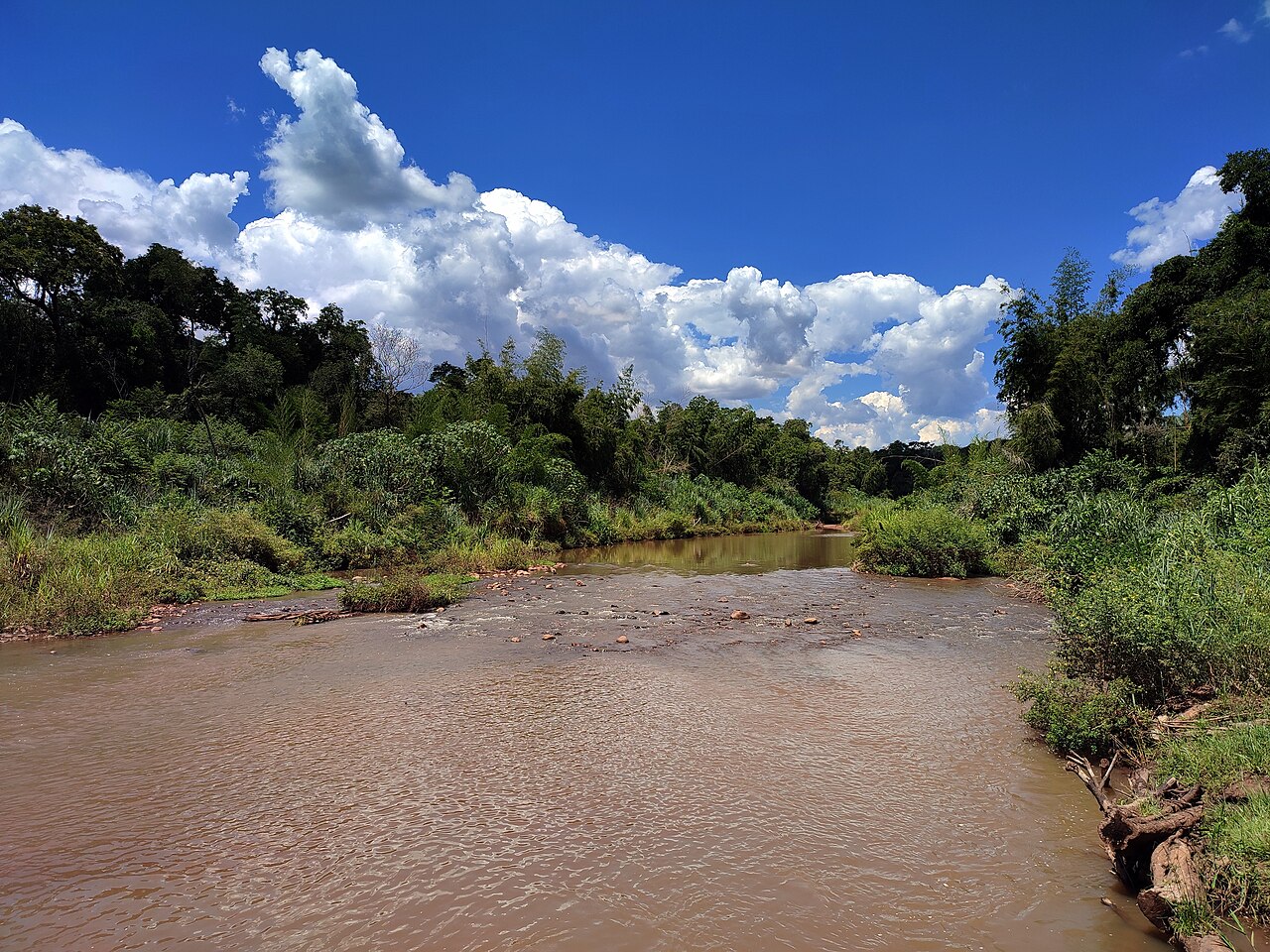

Cerro Corá National Park covers some 5,538 ha of forested hills in Amambay, near the Brazilian border, where on 1 March 1870 the War of the Triple Alliance ended when Brazilian troops killed Marshal Francisco Solano López beside the Aquidabán-Niguí stream, after a war that killed a huge share of Paraguay’s people.
Cerro Corá National Park is both memorial and landscape, with monuments and a museum of weapons from the war marking where López died, trails up to lookouts such as Cerro Muralla, and rock shelters whose petroglyphs are thought to be around 5,000 years old.
Beside López at Cerro Corá was his partner, Eliza Lynch, born in Charleville, County Cork, who buried López and their eldest son, Panchito, killed the same day, with her bare hands, and whose remains were returned to Paraguay in 1961.
2 – Saltos del Monday
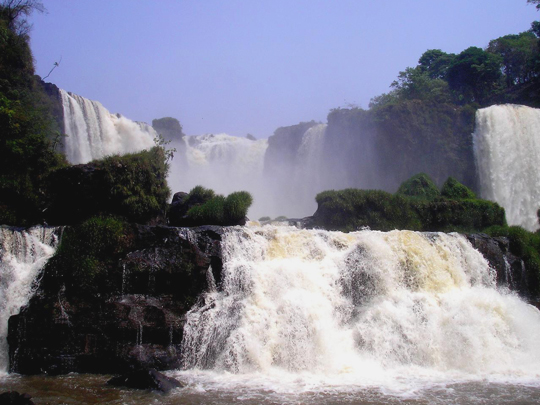

The Saltos del Monday, near Presidente Franco in Alto Paraná, about 10 km from Ciudad del Este, are a wide curtain of falls more than 40 m high, where the Monday River drops in three main cascades close to its meeting with the Paraná.
The Saltos del Monday lie in a small reserve of Atlantic forest, with a panoramic lift down to the riverbank and a zip-line across the gorge, close enough to add to a trip to Iguazú.
The name of the Saltos del Monday has nothing to do with the day of the week, for Monday is Guaraní, usually translated as “robbed river”, though locals offer competing stories of how it got the name.
3 – San José Beach, Encarnación
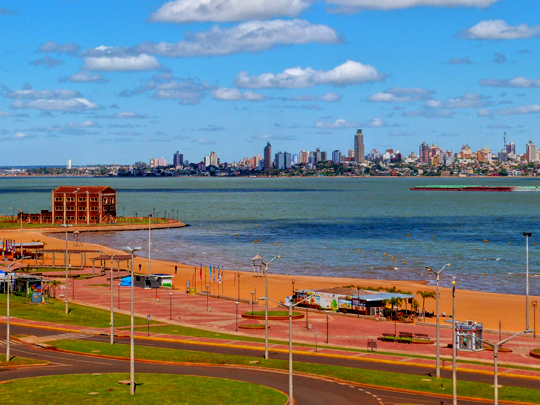

San José Beach lies on the Paraná at Encarnación, opposite Posadas in Argentina, and is a recent creation, for when the Yacyretá reservoir rose it submerged the old lower town, residents were moved and a new waterfront with beaches was built, opening in 2011.
The Costanera promenade at Encarnación runs along the river with San José Beach its busiest stretch, a place for swimming, volleyball and food stalls, with the sun setting over Argentina.
Encarnación hosts Paraguay’s biggest carnival, held in January and February in the city’s purpose-built sambódromo, with floats, drums and feathered costumes, which is why San José Beach’s home town is called the country’s answer to Rio.
4 – Itaipu Dam
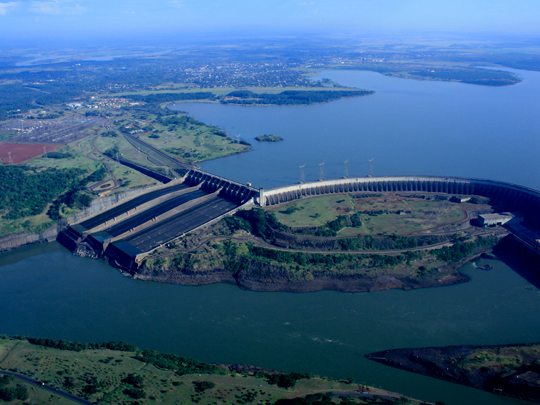

The Itaipu Dam, a vast Brazilian-Paraguayan hydroelectric plant on the Paraná near Ciudad del Este, was begun in 1975 and first generated power in 1984, and in 2016 it set a then-world record of about 103 TWh in a single year.
Itaipu Dam’s 20 generating units are split evenly between Brazil and Paraguay, supplying most of Paraguay’s electricity as well as a significant share of Brazil’s, and visitors can tour the crest, the turbine hall and viewpoints over the spillway.
The reservoir of the Itaipu Dam drowned the Guaíra Falls, a series of 18 great cascades with among the greatest flows of any waterfall on Earth, which disappeared within 14 days in October 1982, and the rocks were later dynamited for navigation, so they can never return.
5 – La Santísima Trinidad de Paraná
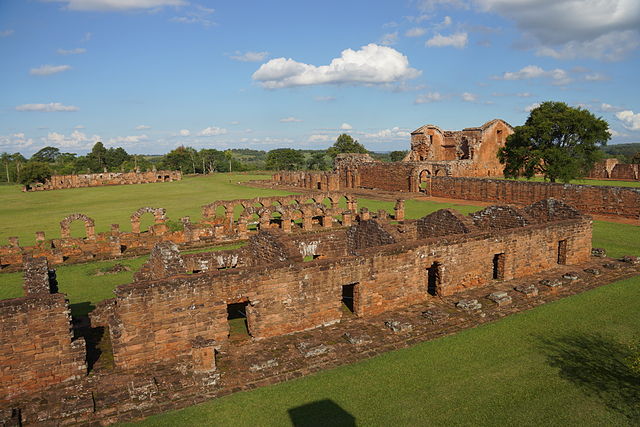

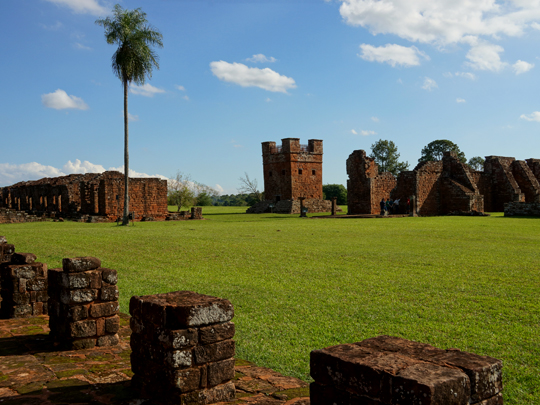

La Santísima Trinidad de Paraná, founded in 1706 on a hill above the Paraná north of Encarnación, was one of the 30 Jesuit reductions of the Guaraní, and was listed by UNESCO in 1993 together with its neighbour, Jesús de Tavarangüé.
Among the best-preserved of the Jesuit missions, La Santísima Trinidad de Paraná keeps the red sandstone ruins of its great church, with a carved stone pulpit and a frieze of angels playing musical instruments, alongside the plaza and the Guaraní housing blocks.
Life at La Santísima Trinidad de Paraná ended after Spain expelled the Jesuits, ordered in 1767, and the missions emptied, a collapse dramatised in The Mission (1986), which won the Palme d’Or.
6 – Asunción
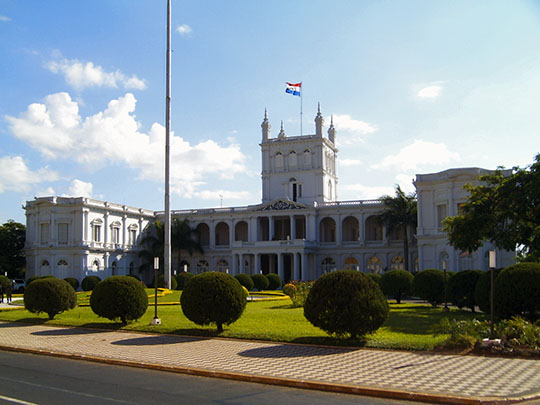

Asunción was founded on 15 August 1537 by Juan de Salazar de Espinosa as a fort on the Paraguay River, and became the base of Spanish power in the region when the settlers of Buenos Aires abandoned it in 1541 and moved here, and the Limerick-born Jesuit Thomas Field died here in the 1620s.
Asunción’s old centre holds the Palacio de los López facing the river, the Casa de la Independencia, where the patriots of May 1811 plotted, and the Panteón Nacional de los Héroes, begun in 1863 and finished only in 1936, 73 years later.
Asunción is called the Mother of Cities, as expeditions from here founded Santa Fe, Corrientes and Santa Cruz de la Sierra, and on 11 June 1580 Juan de Garay, sailing from Asunción, refounded Buenos Aires with 76 settlers, 56 of them born in Paraguay.
7 – Fortín Boquerón
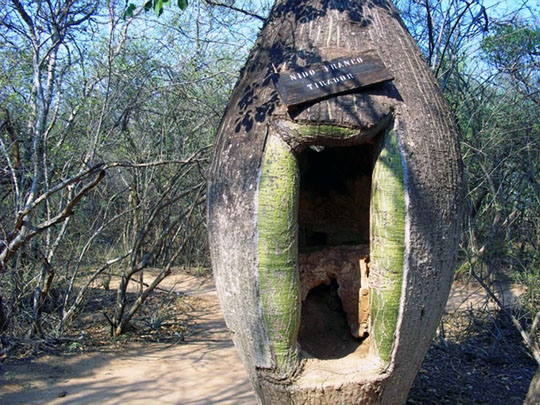

Fortín Boquerón is a remote outpost in the dry scrub of the Paraguayan Chaco where, between 9 and 29 September 1932, Paraguayan forces besieged and captured a Bolivian garrison in the first major battle of the Chaco War.
The battlefield of Fortín Boquerón is preserved as a park off the Transchaco highway, with trenches, the vital water hole, Bolivian and Paraguayan cemeteries, and a museum that holds the wreck of a Paraguayan Potez 25 aircraft found in 2016.
The Chaco War, which began at Fortín Boquerón, killed around 90,000 men between 1932 and 1935, out of some 370,000 mobilised, and it is remembered in Paraguay as the conflict that shaped the modern country.
8 – Yaguarón
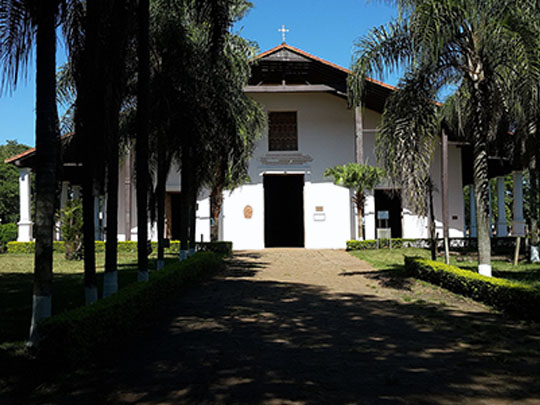

Yaguarón, a small town about 50 km from Asunción, began as a Franciscan reduction founded in the 1580s by Friar Luis de Bolaños, and grew up around its 18th-century church of San Buenaventura.
From outside the church of Yaguarón is a plain white building with a separate bell tower, but inside every surface is carved, gilded and painted, the work of Guaraní craftsmen under the Portuguese master José de Sousa Cavadas, and nearby a colonial house associated with the family of Paraguay’s first ruler, Dr Francia, is a museum.
The church of Yaguarón shows the same Hispano-Guaraní art that lies in ruins at the old Jesuit missions, but it was never abandoned, so it is one of the few places in Paraguay where you can stand inside a working mission church.