
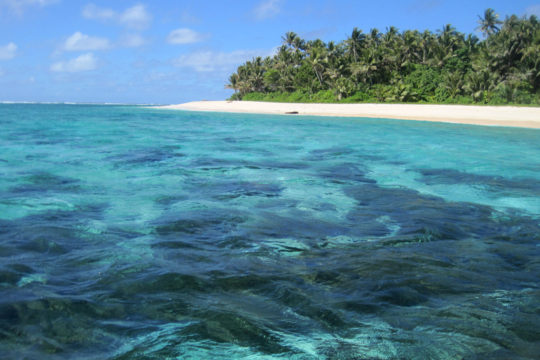
By ravilacoya / Wikimedia Commons / CC BY-SA 2.0

Capital: Honiara
Population: 780,000+
Language: English, Pijin
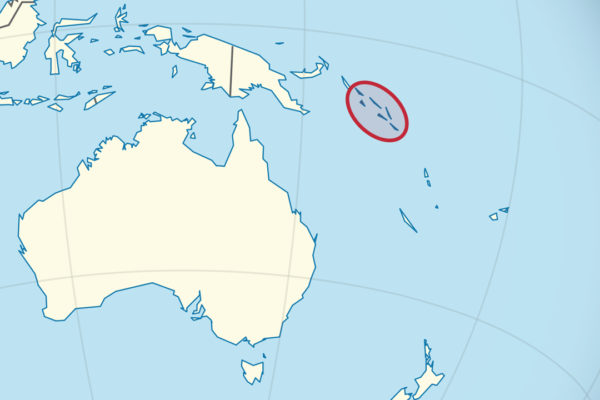

1 – Reef Islands (above)
The Reef Islands, a scatter of low coral islands and sand cays in Temotu, the easternmost province of the Solomon Islands, lie closer to Vanuatu than to Honiara, and several islets, among them Pileni, Matema, Nukapu and Nupani, are Polynesian outliers whose people speak the Polynesian language Vaeakau-Taumako among Melanesian neighbours.
The Reef Islands are a world of villages on sand cays ringed by reef, while nearby Taumako in the Duff Islands builds and sails te puke voyaging canoes, a tradition revived through the Vaka Taumako Project.
On 20 September 1871, John Coleridge Patteson, the first Anglican Bishop of Melanesia, was killed on Nukapu in the Reef Islands, probably in revenge for the abuses of labour recruiters known as blackbirders, though historians also point to other motives, and his death helped bring about Britain’s Pacific Islanders Protection Act 1872.
2 – Mataniko
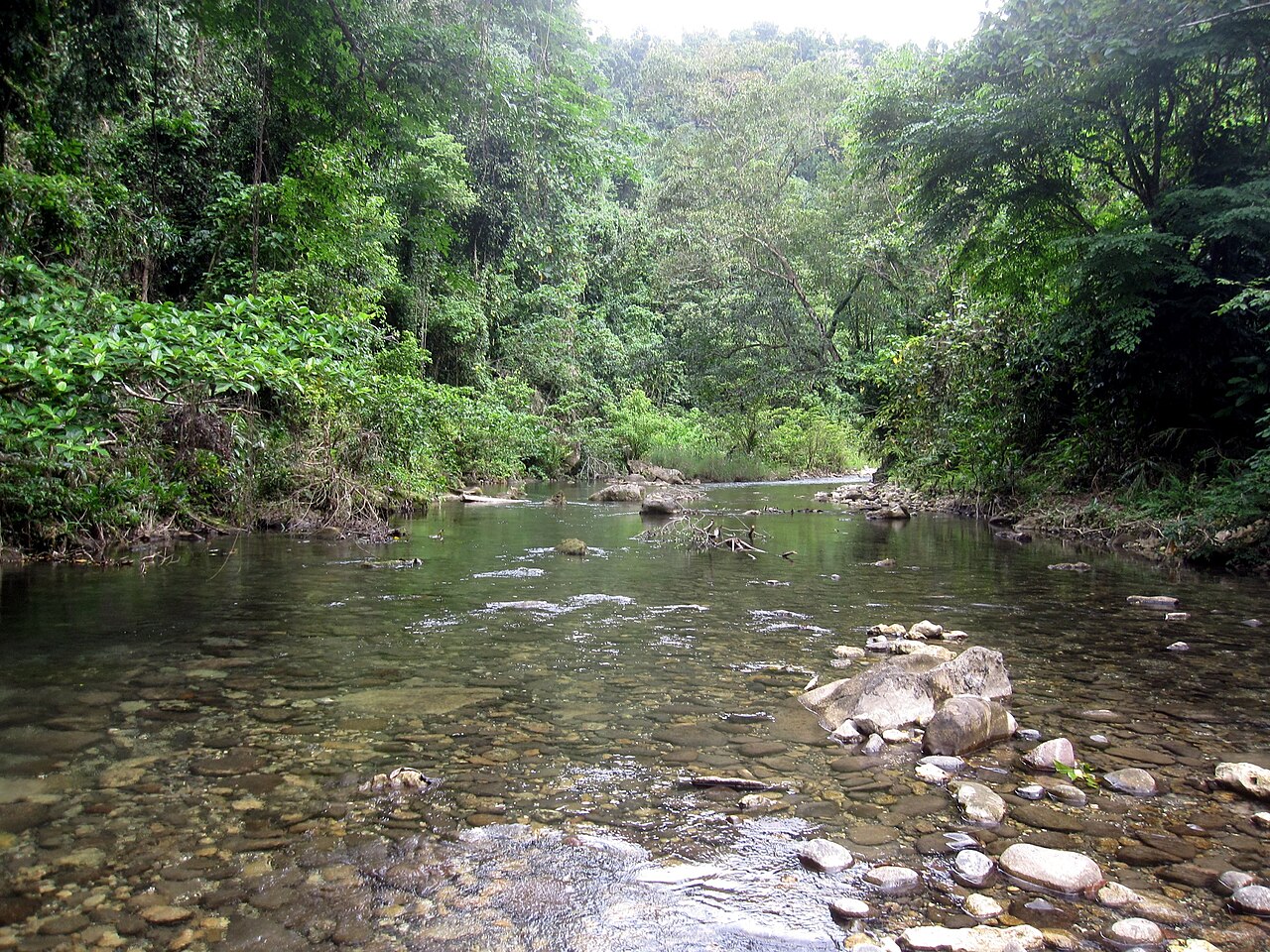

The Mataniko, or Matanikau, River comes down from the hills through the middle of Honiara, and from September to November 1942, its banks were the scene of repeated, costly American attempts to push west from Henderson Field during the Guadalcanal campaign.
A guided hike of about two hours from Lelei village climbs the ridges above Honiara past wartime foxholes before dropping into the gorge to Mataniko Falls, while inland lies the Galloping Horse ridge, the January 1943 battlefield that the Guadalcanal veteran James Jones fictionalised in The Thin Red Line.
Mataniko Falls pours out of the mouth of a cave, home to bats, which is said to have sheltered Japanese soldiers during the campaign, giving them cover and fresh water in the same place.
3 – Gizo
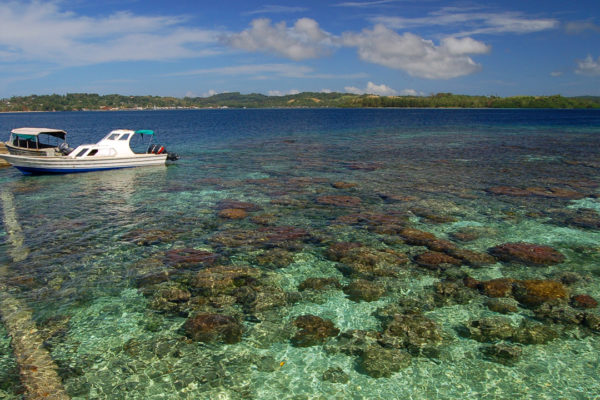

Gizo, the small port capital of Western Province on Ghizo Island in the New Georgia group, was chosen in 1900 by Arthur Mahaffy of Howth, County Dublin, as the site of a government station to suppress headhunting, and its waters saw some of the fiercest naval fighting of the Solomons campaign.
Gizo is the base for diving the surrounding reefs and wrecks, with Kasolo, or Plum Pudding Island, known as Kennedy Island, a short boat ride away, where the surviving crew of PT-109 swam ashore after the Japanese destroyer Amagiri rammed their boat in Blackett Strait on 2 August 1943.
The PT-109 survivors, kept alive on coconuts, were found by the Solomon Islander scouts Biuku Gasa and Eroni Kumana, working for the Australian coastwatcher Reg Evans, and at Gasa’s suggestion, Kennedy scratched a message on a coconut husk, which the pair paddled about 65 km to the Allied base at Rendova.
4 – Visale
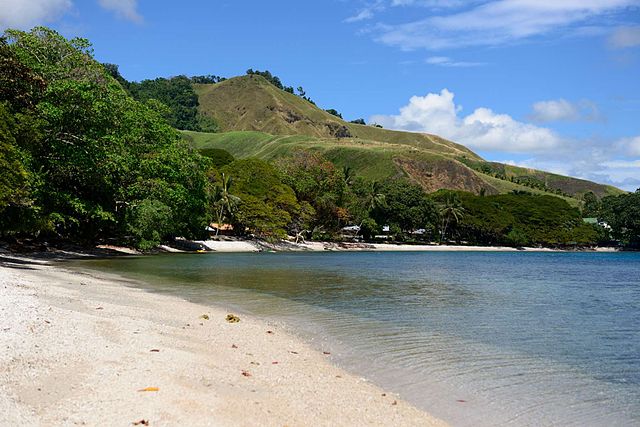

Visale, a village on the north-west coast of Guadalcanal near Cape Esperance, is where French Marist missionaries were granted land in 1904, and in 1923 it became headquarters of the Catholic Vicariate of the South Solomons, until its stone cathedral was destroyed by bombing in 1942.
The mission at Visale was rebuilt after the war, with a teacher training school built in 1963 on the foundations of the old cathedral, while the waters off nearby Cape Esperance hold several wartime wrecks.
The Guadalcanal campaign ended quietly off Cape Esperance, near Visale, where over the nights of 1, 4 and 7 February 1943, Japanese destroyers evacuated more than 10,000 men, and the Americans realised they had gone only when they advanced into empty positions, declaring the island secure on 9 February.
5 – Marovo Lagoon
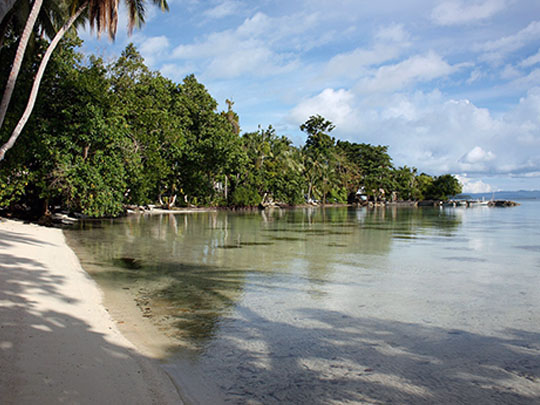

Marovo Lagoon, curling around New Georgia, Vangunu and Gatokae in Western Province, is often described as the world’s largest double-barrier-enclosed lagoon, about 700 km² of sheltered water held in by a barrier of raised-reef islands, with hundreds of smaller islands inside.
Most villages on Marovo Lagoon are reached by boat, the snorkelling runs over coral gardens close to shore, and Marovo’s renowned carvers work ebony and kerosene wood into sharks, dolphins and ancestral figures inlaid with nautilus shell.
About 24 km south of Vangunu and Marovo Lagoon lies Kavachi, one of the most active submarine volcanoes in the Pacific, which has built short-lived islands up to 1 km long, and in January 2015, an expedition filmed hammerhead and silky sharks living inside its crater, in warm, acidic water near the vents.