
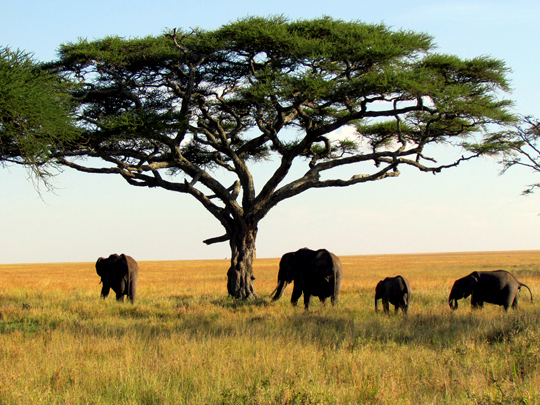
David Berkowitz / Wikimedia Commons / CC-BY-SA-3.0 / GFDL
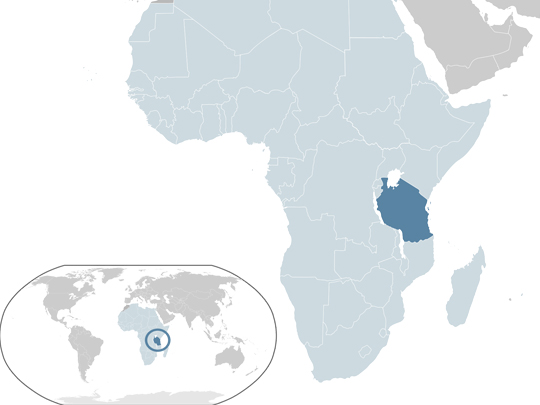
Capital: Dodoma
Population: 70 million+
Language: Kiswahili/English
1 – Serengeti National Park (also above)
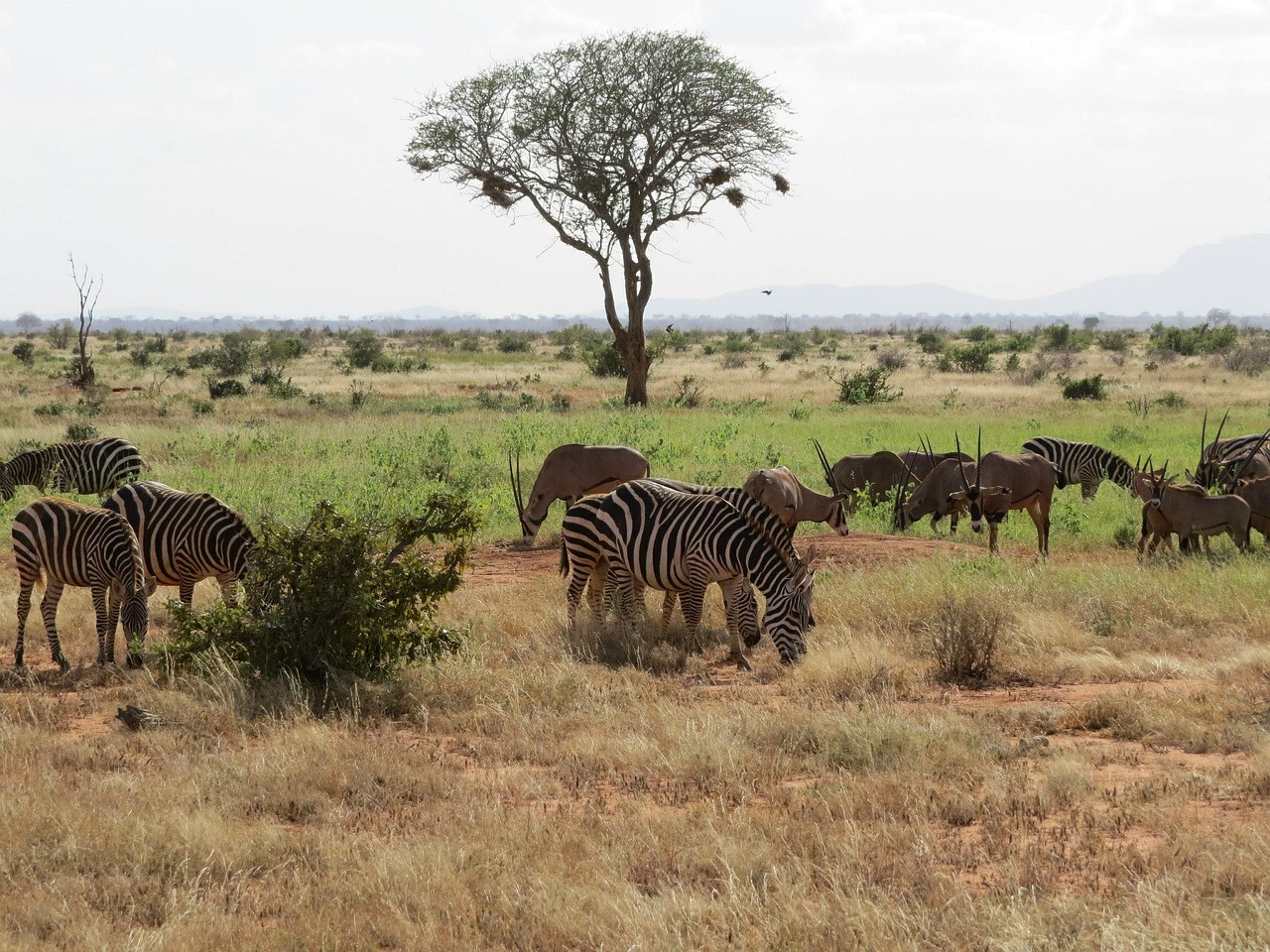
The Serengeti is the very image of Africa — a vast ocean of golden grassland stretching to every horizon, whose name comes from the Maasai for “endless plains”; Tanzania’s oldest national park, and one of the most wildlife-rich places on the planet.
It’s the stage for the Great Migration, the largest overland animal movement on Earth, as some two million wildebeest, zebra and gazelle wheel across the plains in an endless circular quest for grass — hunted all the way by the world’s largest population of lions, and by leopard, cheetah and hyena.
The world owes much of its love for the Serengeti to a film: in 1959 the German conservationist Bernhard Grzimek and his son Michael made Serengeti Shall Not Die, an Oscar-winning documentary that first alerted the world to these plains and helped save them — though Michael was killed in a plane crash over the Serengeti while filming it.
2 – Mount Kilimanjaro
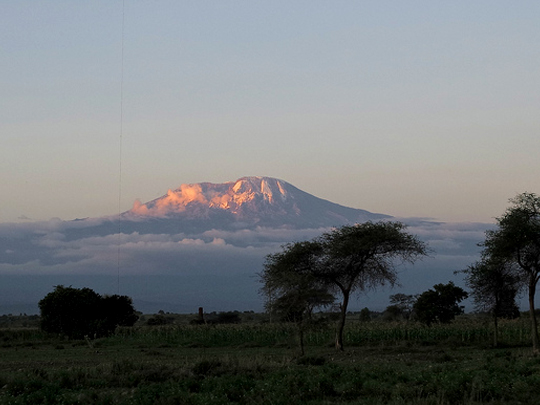
Soaring nearly 5,900m over the plains of northern Tanzania, Mount Kilimanjaro is the highest mountain in Africa — the “Roof of Africa” — and the tallest free-standing mountain on Earth, a snow-capped dormant volcano that rises, utterly alone, straight out of the savanna.
Remarkably, you don’t need ropes or climbing skills to reach its summit, Uhuru Peak — just fitness, patience and a good guide — which is why tens of thousands attempt the week-long trek each year, up through the “snows of Kilimanjaro” that, sadly, are melting fast and may vanish within a decade or two.
The climb is like a journey from the equator to the Arctic in the space of a few days: you set off through steamy tropical rainforest, climb up through heather and moorland into cold alpine desert, and emerge at last onto a glittering world of glaciers and ice — five whole climate zones stacked on a single mountain.
3 – Ngorongoro Crater
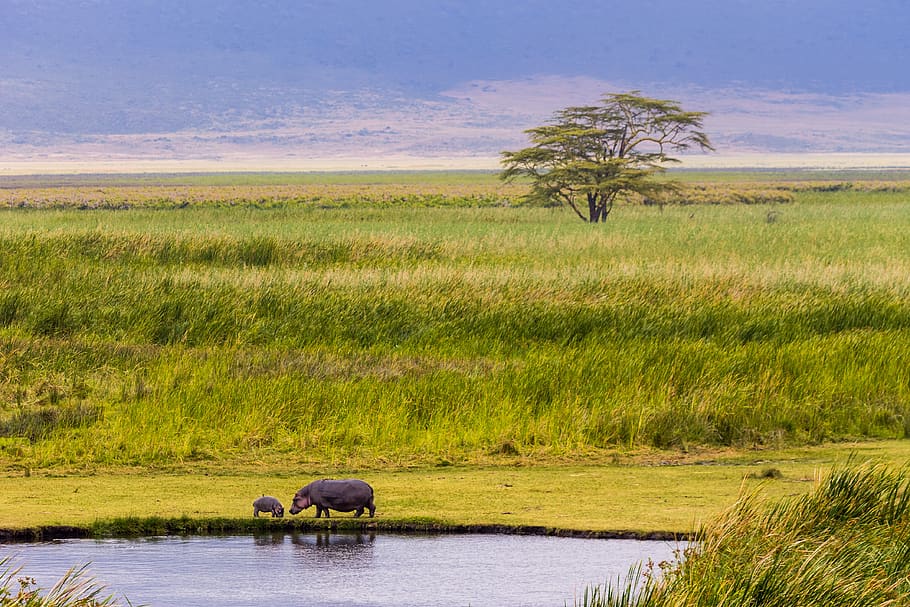
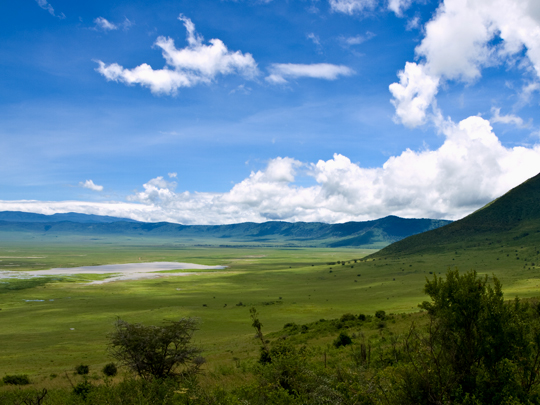
The Ngorongoro Crater is one of the natural wonders of Africa — the largest intact volcanic caldera on Earth, a vast, sheer-walled bowl 20km across in the highlands of northern Tanzania, so teeming with life that it’s often called a “Garden of Eden.”
Some 25,000 animals are all but penned in by its 600m walls, making its floor perhaps the finest place on the continent to see the Big Five in a single day — lion, elephant, buffalo, leopard and rare black rhino — while flamingos wade its soda lake and Maasai herders bring their cattle down to drink among the wildlife.
The crater is the ghost of a giant: two to three million years ago a colossal volcano — by some estimates once taller than Kilimanjaro itself — blew its top and collapsed in on its own magma chamber, leaving behind the enormous, near-perfect bowl you see today.
4 – Tarangire National Park

A couple of hours south of Arusha, Tarangire is one of Tanzania’s most underrated parks — a rolling landscape of golden grass and ancient baobab trees, threaded by the Tarangire River, the only water for miles around when the dry season bites.
As the land dries out, wildlife pours in from all around, and Tarangire fills with some of the largest elephant herds in Africa — up to 300 moving together — alongside lions that laze in the branches of acacias, giant red termite mounds, and more than 500 kinds of bird.
Presiding over it all are the baobabs — some over a thousand years old, the oldest living things in Tanzania — whose swollen trunks can hold up to 120,000 litres of water; in the driest months, thirsty elephants gouge and strip the soft bark to get at the moisture stored inside.
5 – Mafia Island
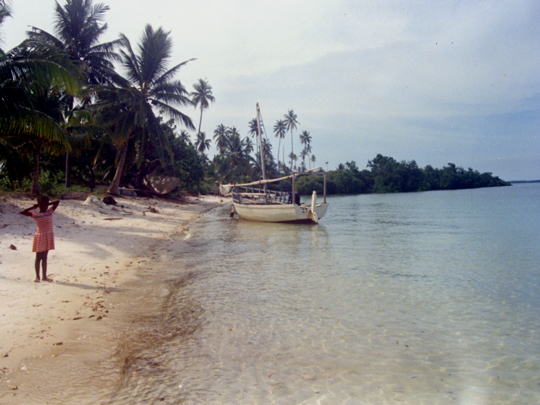
A remote, sleepy island in the Indian Ocean south of Zanzibar, Mafia is the antidote to its glitzier neighbour — a slow-paced world of fishing villages, coconut groves and sandy tracks, ringed by some of the most pristine coral reefs in East Africa and protected as Tanzania’s first marine park.
Divers and snorkellers come for the coral gardens of Chole Bay, teeming with hundreds of kinds of fish, turtles and rays, and above all for the whale sharks — the largest fish on Earth — which gather in the shallows off the island, letting swimmers glide right alongside these gentle giants.
And no, the island has nothing to do with organised crime: despite its ominous name, “Mafia” is thought to come from an Arabic word for “archipelago,” or a Swahili phrase meaning “a healthy dwelling place” — a fittingly peaceful meaning for one of the Indian Ocean’s most tranquil corners.
6 – Zanzibar
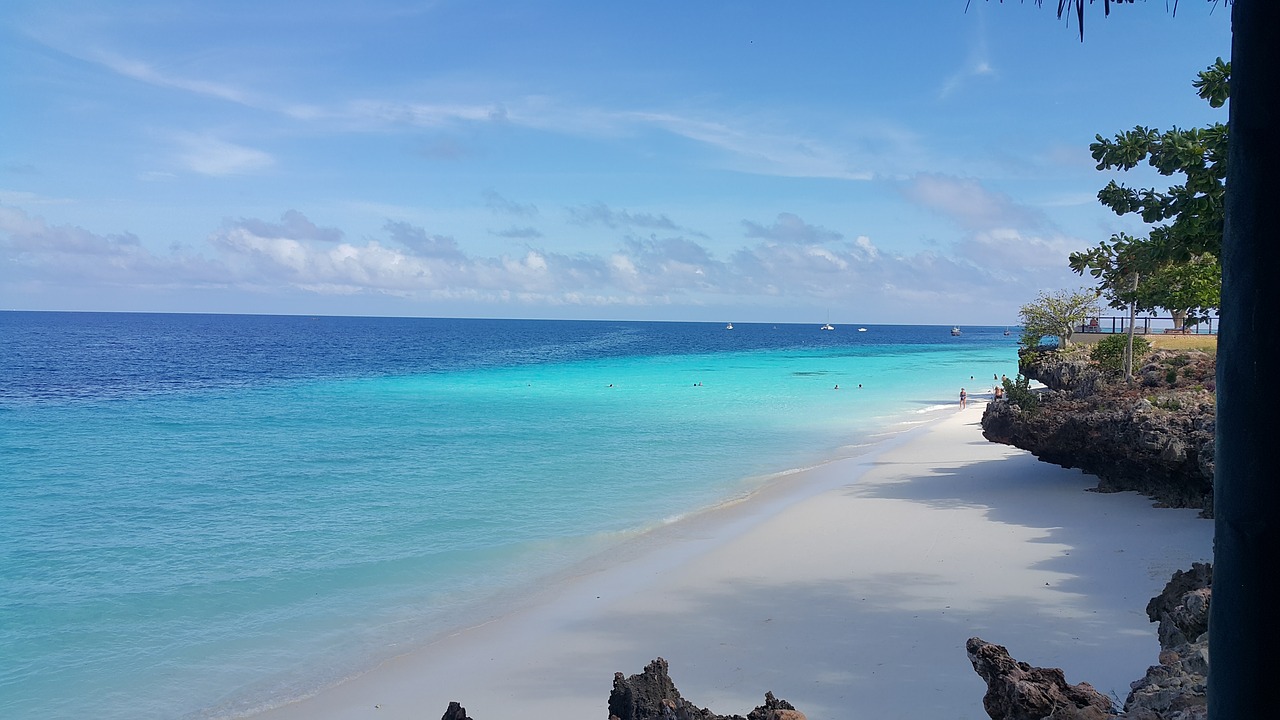
A semi-autonomous archipelago of white beaches and turquoise water off the Tanzanian coast, Zanzibar is one of the most storied places in the Indian Ocean — the fabled “Spice Island,” the world’s great source of cloves, and once the seat of a powerful Omani sultanate and a major hub of the East African slave trade.
Its heart is Stone Town, a UNESCO-listed maze of coral-stone alleys, mosques and ornate carved doors where African, Arab, Indian and European worlds meet; here stand the old Sultan’s palace, the sobering memorial on the site of the former slave market, and the modest house where Freddie Mercury, the frontman of Queen, was born in 1946.
Zanzibar also holds one of history’s oddest records — the shortest war ever fought: in 1896, when a sultan took the throne against British wishes, the Royal Navy shelled his palace, and the whole conflict, the Anglo-Zanzibar War, was over in about 38 minutes.
7 – Lake Tanganyika
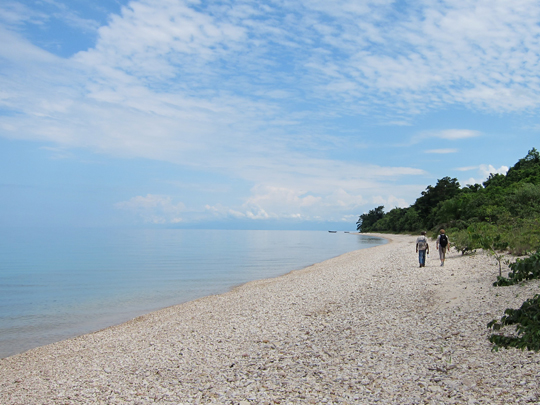
Stretching down Tanzania’s remote western border, Lake Tanganyika is a lake of superlatives — the longest freshwater lake in the world, the second-deepest and second-oldest on Earth, and a vast natural reservoir holding around a sixth of all the fresh water on the planet.
Its clear, deep waters shelter hundreds of species of jewel-like cichlid fish found nowhere else, and on its forested Tanzanian shore lies little Gombe Stream, the park where, in 1960, a young Jane Goodall began her landmark study of wild chimpanzees — the longest-running research of its kind ever undertaken.
It was on this shore, at the old trading town of Ujiji in 1871, that one of history’s most famous encounters took place: the journalist Henry Stanley, after an epic search for the “lost” missionary-explorer David Livingstone, finally found him and greeted him with the immortal, understated words — “Dr Livingstone, I presume?”
8 – Olduvai Gorge
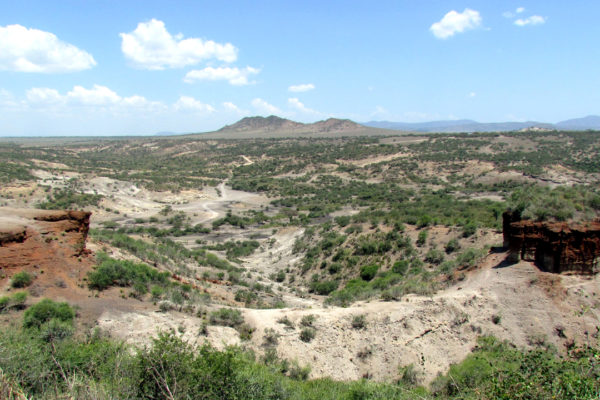
A deep, rugged ravine slicing through the Serengeti plains, Olduvai Gorge is one of the most important places in the whole story of humanity — the “Cradle of Mankind,” where the archaeologists Louis and Mary Leakey unearthed some of the most famous fossils of our earliest ancestors, and the oldest stone tools ever found.
Over decades of painstaking digging they uncovered ancient hominins like “Nutcracker Man” and Homo habilis, the “handy man” who first shaped stone into tools nearly two million years ago; a museum on the rim tells the whole epic of human origins — and, fittingly, the gorge’s real name is Oldupai, a Maasai word for a wild plant, “Olduvai” being simply a European misspelling that stuck.
Nearby, at Laetoli, Mary Leakey made perhaps the most haunting find of all — a trail of footprints pressed into soft volcanic ash some 3.6 million years ago and preserved ever since: the clear tracks of human ancestors walking upright, side by side, an astonishingly intimate glimpse of our family from the dawn of time.
9 – Kilwa Kisiwani
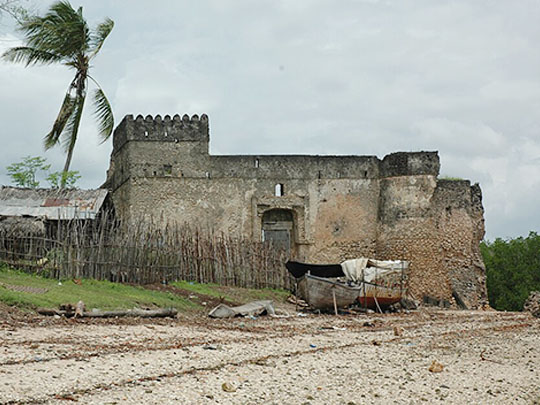

On an island off Tanzania’s southern coast stand the ruins of the greatest of the Swahili city-states: from the 12th century Kilwa’s sultans controlled the gold coming up the coast from the interior through Sofala, and grew rich enough to build in coral stone on a scale nothing else in sub-Saharan Africa could match — UNESCO listed the island, with neighbouring Songo Mnara, in 1981.
The Great Mosque was begun in the 11th century and is the oldest still standing anywhere on this coast, a forest of coral columns beneath domes and barrel vaults; along the shore sprawls Husuni Kubwa, a cliff-top palace of some hundred rooms with an octagonal bathing pool, built in the early 1300s — and above it the fort the Portuguese threw up after sacking the place in 1505.
Kilwa minted its own copper coins, and in 1944 an Australian soldier picked a handful of them off a beach in the Wessel Islands, off northern Australia — among the oldest foreign objects ever found on that continent, and nobody has ever explained how they got there.
10 – Bagamoyo
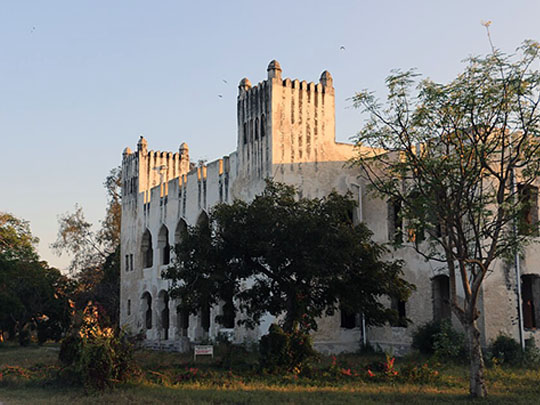

Seventy kilometres up the coast from Dar es Salaam lies the town where the caravan roads from Lake Tanganyika finally reached the sea — ivory and enslaved people arriving after months on the road, to be shipped across to Zanzibar — and the name is usually translated as “lay down your heart”; the Germans later made it the capital of their East African colony.
The old town keeps a crumbling mix of Omani merchants’ houses with carved doors, the ruined German boma, and the Catholic mission founded in 1868 whose museum tells the story of the trade; a few kilometres south lie the 13th-century ruins of Kaole, with two of the oldest mosques on the mainland.
When David Livingstone died in the interior in 1873, his companions Chuma and Susi dried his body, wrapped it, and carried it on foot for nine months and well over a thousand miles to reach this coast — where it was laid in the mission tower, still called the Livingstone Tower, before a ship took it home to England.