
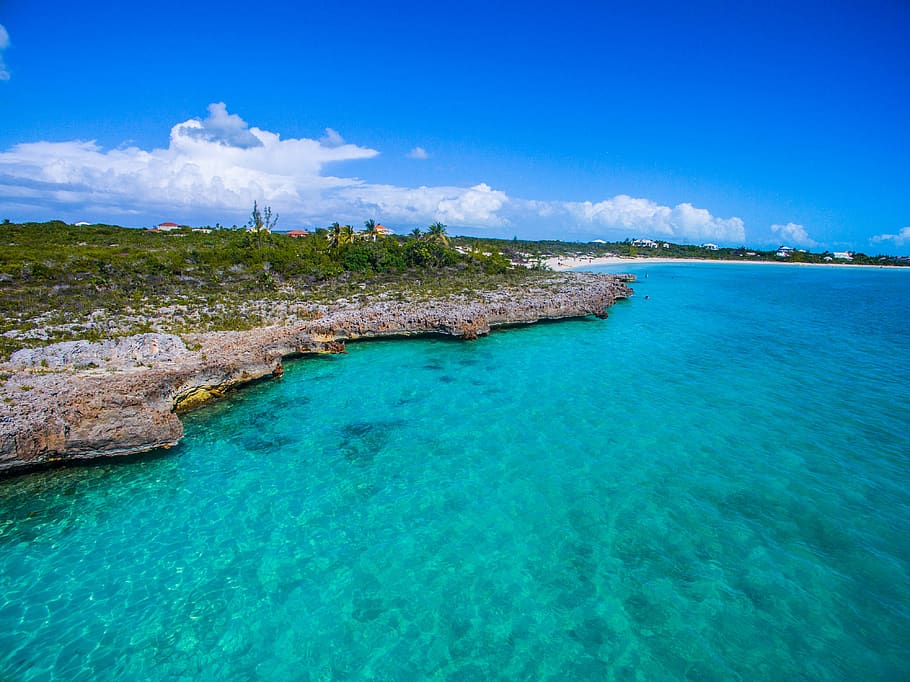
Wikimedia Commons / CC-BY-SA-3.0 / GFDL
Capital: Cockburn Town
Population: 47,000+
Language: English/Turks and Caicos Creole
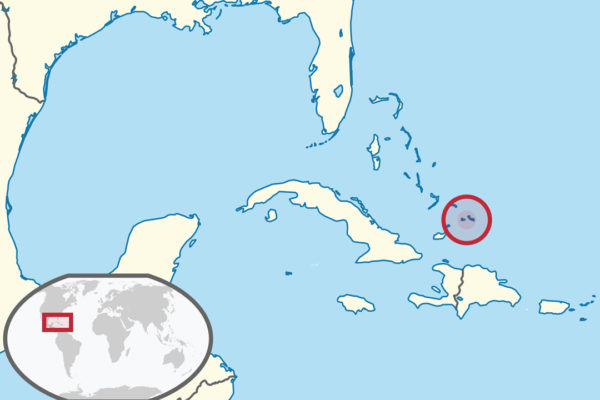
1 – Cockburn Town
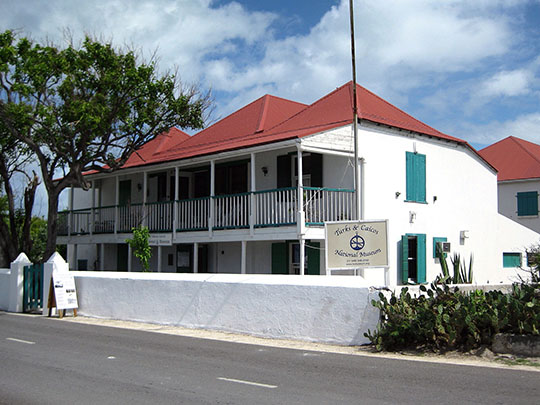
The capital sits on the west coast of Grand Turk and was founded by Bermudians in the 1680s to rake sea salt, which was the islands’ entire economy for the next two and a half centuries.
Front Street runs along the shore, lined with Bermudian-style colonial houses, old street lamps, the national museum in one of the oldest stone buildings on the island, and a beachfront parliament building; the salt ponds are still there behind the town, and so are the donkeys that once hauled the salt.
Two claims to fame sit on this small island: some historians argue Columbus made his first American landfall here rather than in the Bahamas, and in February 1962 John Glenn splashed down off the south-east coast after becoming the first American to orbit the Earth — Grand Turk was the first dry land he stood on.
2 – Grace Bay
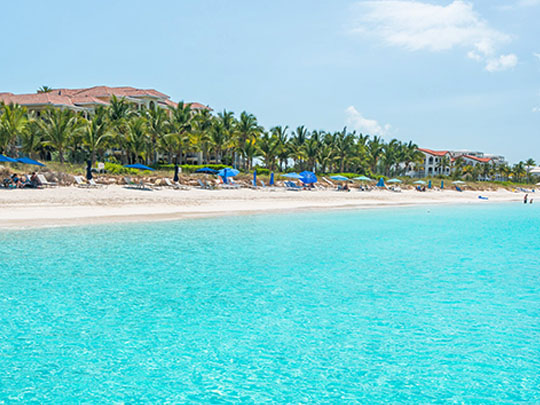

On the north coast of Providenciales, Grace Bay is a long arc of white sand behind a barrier reef, and it’s the reason the Turks and Caicos have a tourism industry at all — Providenciales had no road until the 1960s.
The reef about a mile offshore takes the swell out of the water, so the sea is flat and clear; the beach is public along its whole length, backed by most of the country’s resorts, with snorkelling, sailing and boat trips out to the cays.
It has been voted the best beach in the world by TripAdvisor’s travellers more than once, and has taken first or second place in that competition and the World Travel Awards around a dozen times.
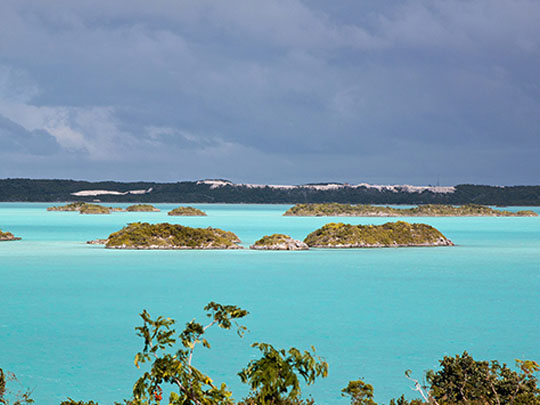
3 – Chalk Sound
A three-square-mile island south of Grand Turk, Salt Cay was one of the great salt producers of the Atlantic world, and when the industry collapsed in the 1960s the island simply stopped — the windmills, salt sheds and 19th-century houses are all still standing.
A few hundred people live here now, there are donkeys in the lanes and very little traffic, and the beaches are empty; the old Bermudian salt merchant’s house, the White House, still overlooks the works.
Every year between roughly January and April, thousands of humpback whales pass through the deep Turks Island Passage just off this coast on their way to breed — you can watch them from the shore, or from a very small boat.