
Wikimedia Commons / CC-BY-SA-3.0 / GFDL
Capital: Montpelier
Population: 640,000+
Language: English (no official language).

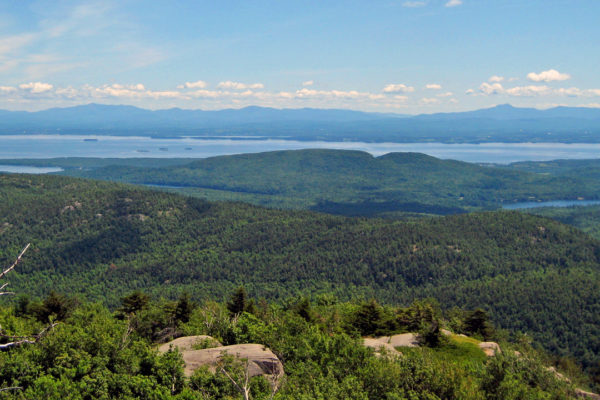
1 – Lake Champlain (also above)
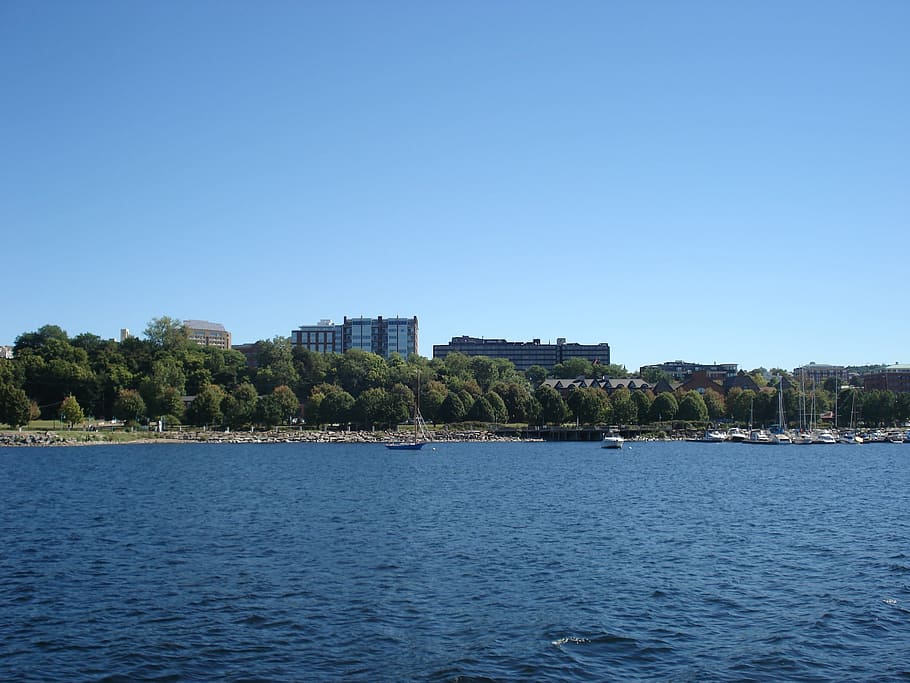
Lake Champlain stretches between Vermont and New York, with its northern tip in Quebec, and it’s named after French explorer Samuel de Champlain, who reached it in 1609 and helped his Native allies defeat a Mohawk war party near Ticonderoga.
Lake Champlain’s sights include the Lake Champlain Maritime Museum near Vergennes, with a replica of Benedict Arnold’s 1776 gunboat Philadelphia, and Isle La Motte, home of Fort Ste. Anne, built in 1666 as the first European settlement in what became Vermont, and the Chazy Reef, about 450 million years old.
Lake Champlain was declared the “sixth Great Lake” by Congress in 1998 for just 18 days, Champlain never described a lake monster, as the famous “Champ” quote first appeared in a 1970 magazine, and the lake’s decisive 1814 naval battle at Plattsburgh was won by Commodore Thomas Macdonough, of Irish descent from Co. Kildare.
2 – Westmore & Lake Willoughby
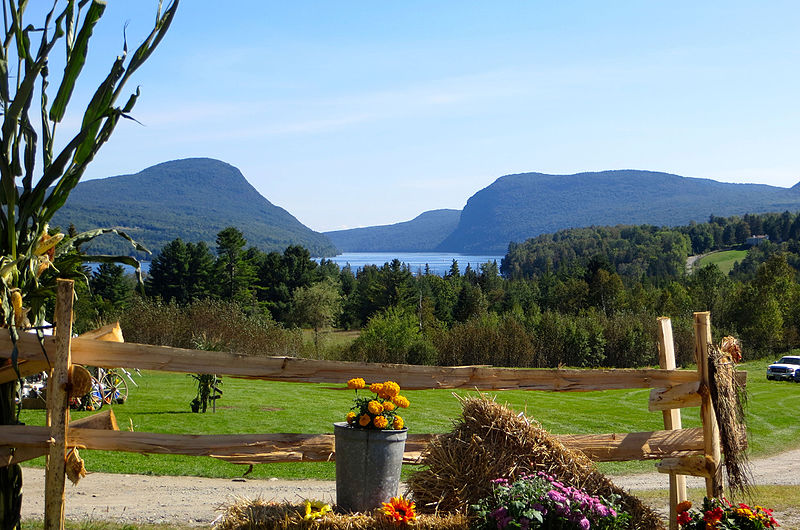
Westmore, in Vermont’s remote Northeast Kingdom, was chartered in 1781 as Westford and renamed in 1787, and it sits on Lake Willoughby, a glacial, fjord-like lake more than 300 ft deep squeezed between two mountains.
Westmore’s Lake Willoughby, nicknamed the “Lucerne of America”, fills the Willoughby Gap between Mount Pisgah and Mount Hor, and its cliffs and shoreline were made a National Natural Landmark in 1967.
Robert Frost camped at Westmore with his family in the summer of 1909 and set his poem “A Servant to Servants” on Lake Willoughby, with the line “Our Willoughby! How did you hear of it?”
3 – Mount Pisgah

Mount Pisgah, about 2,750 ft high, forms the eastern wall of the Willoughby Gap above Lake Willoughby, and it shares its name with the Biblical mountain from which Moses saw the Promised Land.
Mount Pisgah’s sheer cliffs plunge to the lake opposite Mount Hor and are a nesting site for peregrine falcons.
In winter Mount Pisgah’s frozen cliffs become one of the East’s great ice-climbing venues, home to New England’s first climb graded WI6, the hardest standard grade of waterfall ice.
4 – Burlington
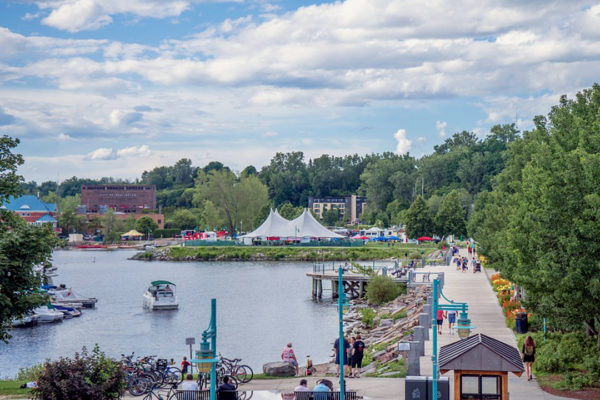
Burlington, on the eastern shore of Lake Champlain, is Vermont’s largest city, the University of Vermont was chartered there in 1791 as the fifth college in New England, and Irish-born Father Jeremiah O’Callaghan arrived in 1830 as Vermont’s first resident Catholic priest.
Burlington’s sights include the pedestrian Church Street Marketplace, opened in 1981 and inspired by Copenhagen’s Strøget, the lakeside waterfront and the site of Ben & Jerry’s first scoop shop, opened in an old gas station in 1978, and the band Phish formed at the university in 1983.
Ethan Allen’s 42-ft monument in Burlington’s Green Mount Cemetery may not mark his grave, as no remains were found when it was built and the inscription says only that he lies near the spot, and the University of Vermont’s Phi Beta Kappa chapter was the first in the US to admit women and African Americans.
5 – Manchester
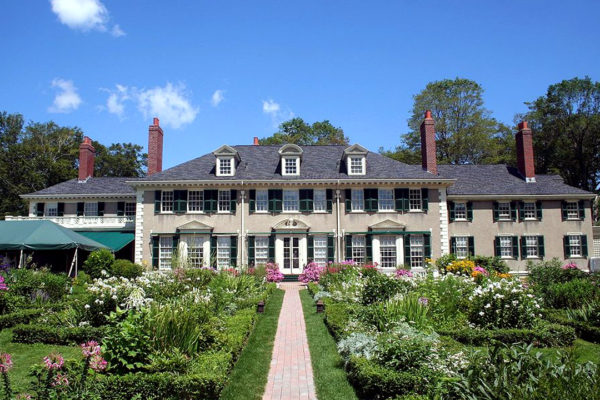
Manchester, in the Battenkill valley of southern Vermont, is where Robert Todd Lincoln, the only one of Abraham Lincoln’s four sons to reach adulthood, built his summer home, Hildene, finished in 1905, and he died there in 1926.
Manchester’s sights include Hildene, with the restored Pullman car Sunbeam, a reminder that Robert Lincoln ran the Pullman Company, and Orvis, founded here by Charles F. Orvis in 1856 and billed as America’s oldest mail-order outfitter.
Mary Todd Lincoln stayed at Manchester’s Equinox hotel with Robert and Tad in 1864, and the family planned to return the next summer with the President, but he was assassinated that April.
6 – Marsh-Billings-Rockefeller National Historical Park
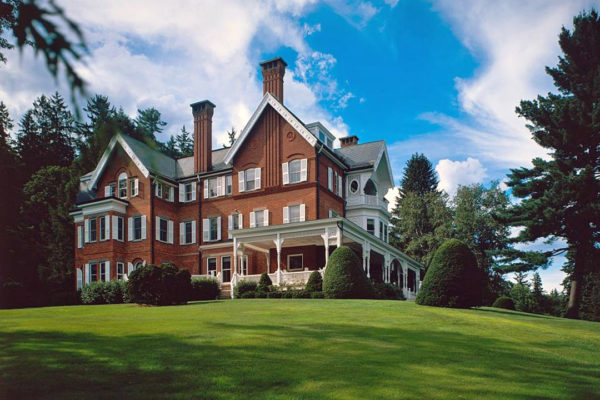
Marsh-Billings-Rockefeller National Historical Park in Woodstock was the first unit of the national park system to focus on conservation history, set on the estate where George Perkins Marsh, author of the founding conservation text Man and Nature (1864), grew up.
Marsh-Billings-Rockefeller’s Mount Tom forest, replanted by railroad magnate Frederick Billings after he bought the farm in 1869, is one of the oldest continuously managed forests in the US, and Laurance and Mary Rockefeller, Billings’ granddaughter, gave the estate to the nation in 1992.
Billings, Montana is named after Frederick Billings, president of the Northern Pacific Railroad, and on a Woodstock farm in 1934 a Model T engine powered America’s first rope ski tow, copied from one in Quebec.
7 – Stowe and Mount Mansfield
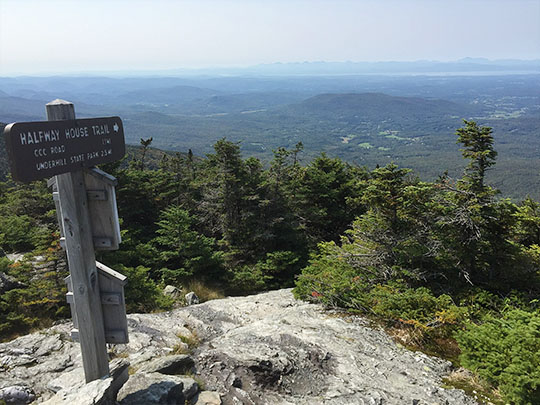
Stowe sits beneath Mount Mansfield, at 4,393 ft the highest point in Vermont, whose ridge looks like a face in profile from the east, with a Forehead, a Nose and a Chin, the summit, and the Long Trail, the oldest long-distance hiking trail in the US, runs along its crest.
Stowe’s sights include the Toll Road, built in 1870 for carriages heading to the summit hotel, Vermont’s largest patch of Ice Age alpine tundra on the ridge, Smugglers’ Notch, named for the cattle and goods smuggled through it in defiance of the 1807 Embargo, and the ski area, whose single chair of 1940 was Vermont’s first chairlift.
The von Trapp family settled in Stowe in the early 1940s and opened the Trapp Family Lodge, where Maria is buried, but unlike in The Sound of Music they never escaped over the Alps, as Maria put it, “We left by train in broad daylight, pretending nothing.”
8 – Plymouth Notch
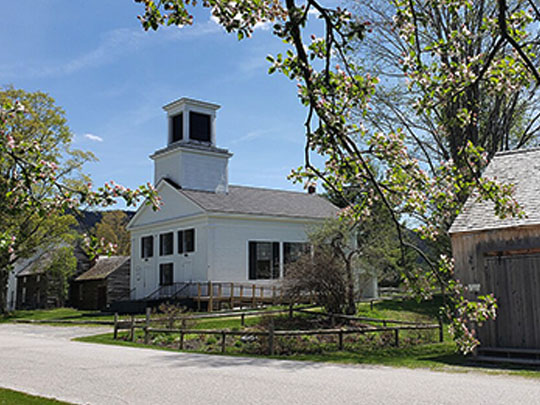
Plymouth Notch, a hill village in central Vermont, is where Calvin Coolidge was born on 4 July 1872, the only US president born on Independence Day, and where he’s buried in the village cemetery.
Plymouth Notch is preserved as the Calvin Coolidge State Historic Site, with the family homestead, the general store whose upstairs dance hall served as the Summer White House in 1924, and the cheese factory his father founded in 1890.
Coolidge was sworn in as president at 2:47 a.m. on 3 August 1923 by his father, a notary public, by the light of a kerosene lamp in the Plymouth Notch homestead, which had no electricity or phone, and doubts about the oath’s validity led to a second, quiet swearing-in before a judge in Washington later that month.
9 – Montpelier
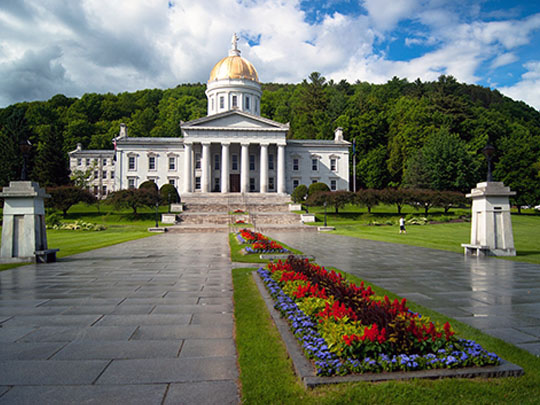
Montpelier, named in 1787 after Montpellier in France out of gratitude for French help in the Revolution, has been Vermont’s capital since 1805 and, with about 8,000 people, is the smallest state capital in the US.
Montpelier’s State House, rebuilt in 1859 after a fire but keeping its predecessor’s Doric portico, is crowned by a gilded dome and a statue of Ceres, goddess of agriculture, and Hubbard Park’s stone observation tower was built from old pasture walls.
Montpelier’s Ceres has been carved three times, first in pine in 1858 by Larkin Mead of Brattleboro, then in the 1930s by the State House sergeant-at-arms in his late eighties, and a third time in mahogany in 2018.
10 – Naulakha
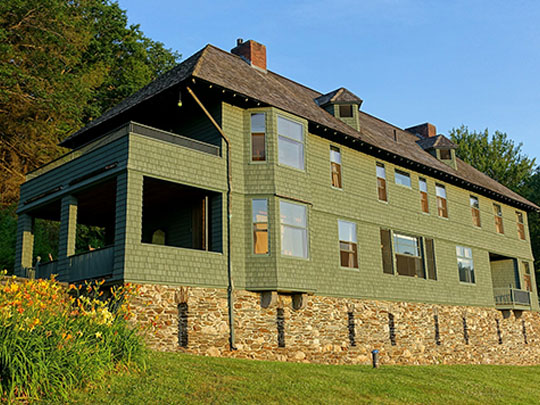
Naulakha, in Dummerston near Brattleboro, was built in 1892–93 by Rudyard Kipling after he married Carrie Balestier, whose family lived locally, and he named it after the novel The Naulahka that he’d written with her brother Wolcott and the Naulakha Pavilion in Lahore Fort.
Naulakha is a long, narrow shingled house that Kipling likened to a ship, and it was here that he wrote The Jungle Book, The Second Jungle Book, Captains Courageous and parts of the Just So Stories.
Arthur Conan Doyle visited Naulakha in 1894 and brought his golf clubs, and he and Kipling played in the snow with red-painted balls, but Kipling left Vermont in 1896 after a feud with Carrie’s brother Beatty ended in a court hearing packed with reporters.