
Wikimedia Commons / CC-BY-SA-3.0 / GFDL
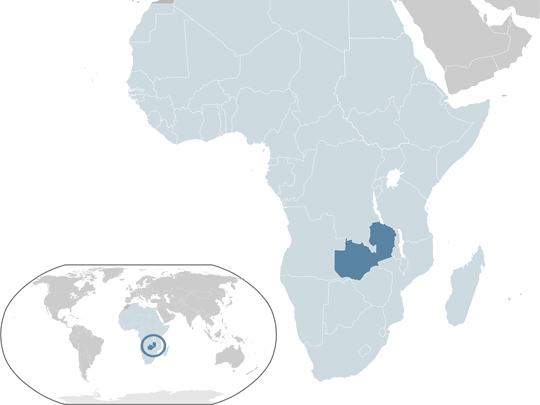
Capital: Lusaka
Population: 21 million+
Language: English (More than 70 languages are spoken).
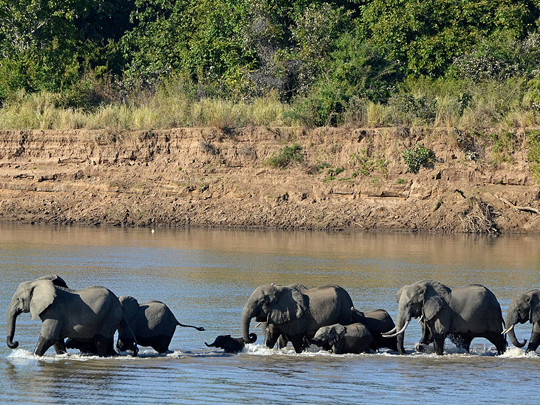
1 – South Luangwa National Park (also above)
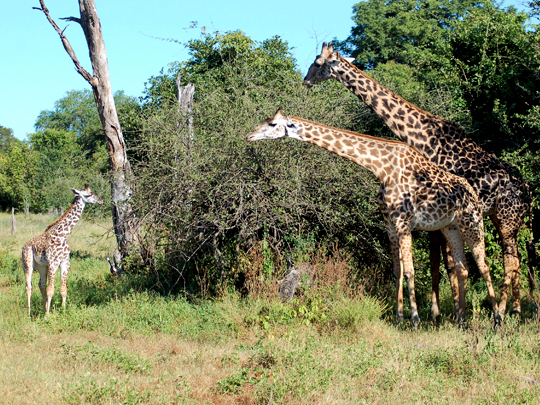
Cradled around the winding Luangwa River in eastern Zambia, South Luangwa is one of Africa’s greatest and most unspoilt wildlife sanctuaries — a wild, uncrowded valley famed above all for its leopards, so numerous it’s known as the “Valley of the Leopard.”
Its lagoons and riverbanks hold one of the densest concentrations of hippos and crocodiles on the continent, while herds of elephant and buffalo, prides of lion, packs of wild dog and the Luangwa’s own endemic Thornicroft’s giraffe roam the woodland; night drives here are among the best in Africa for spotting big cats on the hunt.
South Luangwa is the birthplace of the walking safari — for it was here, in the 1950s, that the pioneering conservationist Norman Carr first led guests out into the bush on foot to “shoot with cameras, not rifles,” inventing an experience now offered across the whole of Africa.
2 – Victoria Falls & Bridge
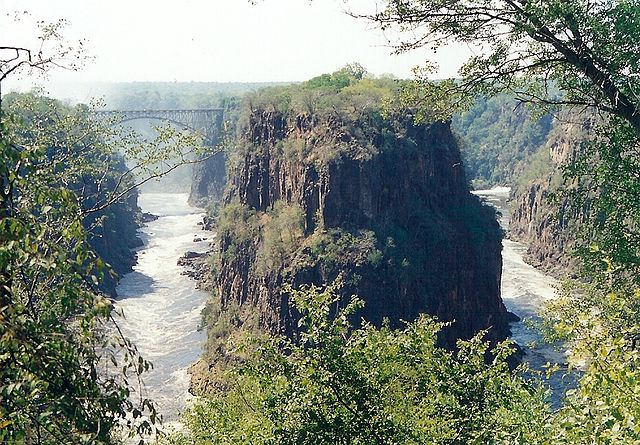
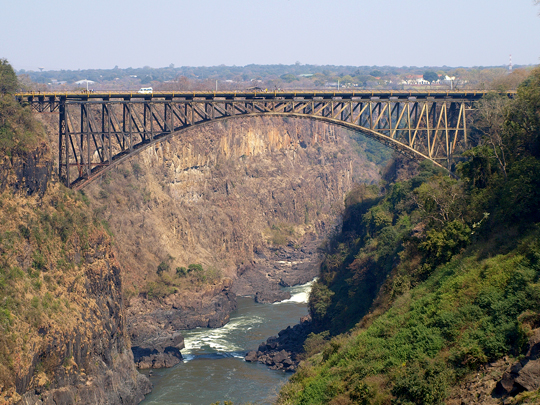
Where the mighty Zambezi hurls itself off a mile-wide basalt cliff, Victoria Falls is one of the great natural wonders of the world — known to locals as Mosi-oa-Tunya, “the Smoke that Thunders,” for the towering column of spray, visible for 50km, that rises from the largest sheet of falling water on Earth.
From the Zambian side, around the town of Livingstone — named for the explorer who first brought the falls to the world’s attention in 1855 — footpaths and the vertiginous Knife-Edge Bridge lead right to the lip of the gorge, while the historic 1905 Victoria Falls Bridge spans the chasm to Zimbabwe, now the stage for a heart-stopping 111m bungee jump.
Only from Zambia can the truly reckless take the ultimate plunge: the Devil’s Pool, a natural rock basin perched right on the very edge of the falls, where, when the water is low, you can swim to the brink and peer straight over a 100-metre drop, held back by nothing but a lip of rock.
3 – Lower Zambezi River
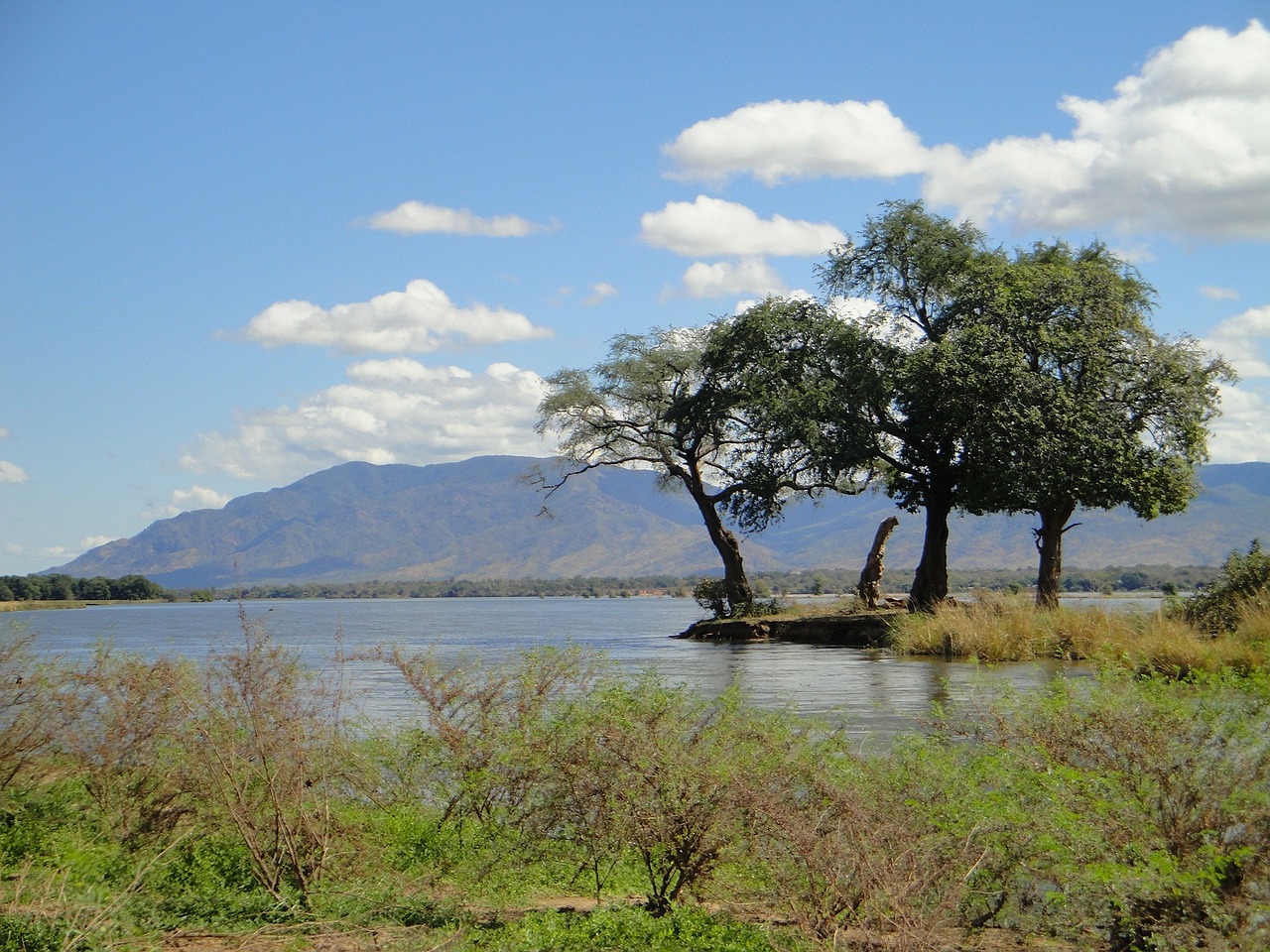
One of Zambia’s wildest and most beautiful parks, the Lower Zambezi stretches along the northern bank of the great Zambezi River, hemmed in by a dramatic escarpment — and directly opposite Zimbabwe’s Mana Pools, so the whole river valley forms one vast, uninterrupted wildlife sanctuary.
Here the classic safari swaps the jeep for a canoe: you drift silently down the river and its side-channels, gliding within touching distance of yawning hippos, basking crocodiles and elephants feeding at the water’s edge, with lions, leopards and wild dogs in the woodland behind and the cry of the fish eagle overhead.
The park’s great herds of elephant — sometimes a hundred strong — think nothing of taking to the water: they wade and swim right across the wide Zambezi and hop between its islands in search of the richest grazing, a magnificent sight best watched, heart in mouth, from a canoe drifting quietly nearby.
4 – Lake Kariba
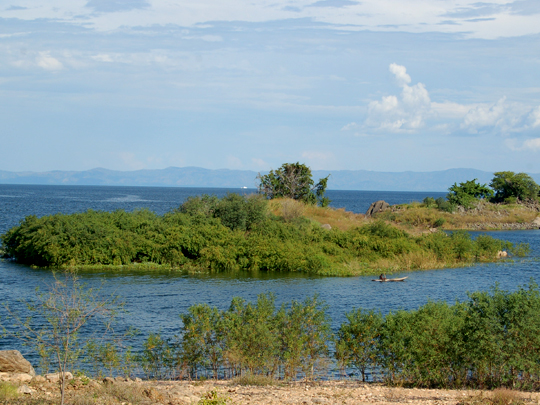
Straddling the Zambia-Zimbabwe border, Lake Kariba is the largest man-made lake on Earth by volume — a vast inland sea, over 200km long, created in the late 1950s when the Kariba Dam sealed off the Zambezi to generate power for both nations; its filling drowned a great valley and displaced tens of thousands of Tonga people.
Today it’s a serene playground of houseboats, sunset cruises and tiger-fishing, its shores rich with elephants and hippos and its glassy surface studded with the eerie, petrified skeletons of drowned trees; the local Tonga still hold the waters to be the home of Nyaminyami, the serpent-like river god of the Zambezi.
As the rising waters swallowed the valley, thousands of animals were left stranded on shrinking islands — prompting one of history’s most extraordinary rescues, “Operation Noah,” in which game rangers spent five years plucking more than 6,000 creatures, from elephants to snakes, from the flood and ferrying them to safety: a real-life Noah’s Ark.
5 – Kafue National Park
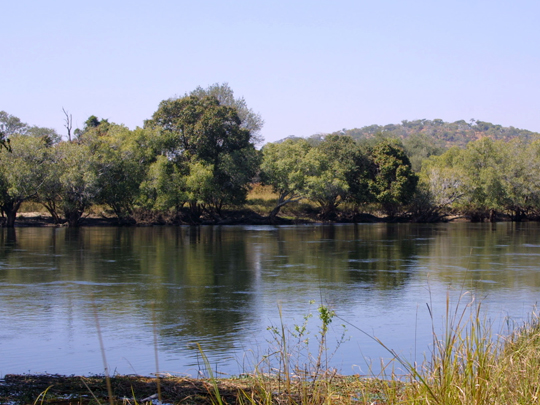
Sprawling across central-western Zambia, Kafue is the country’s oldest and largest national park — a colossal wilderness of miombo woodland, grassy plains and winding rivers roughly the size of Wales, yet one of the least-visited of Africa’s great parks, offering a rare sense of true, untamed space.
Its jewel is the Busanga Plains in the north — dreamy, water-logged grasslands that flood into an Okavango-like paradise of lily lagoons and palm islands, alive with red lechwe, buffalo and famously tree-climbing lions — while the wider park holds a staggering diversity of antelope and one of the few places in Zambia to spot the elusive cheetah.
Kafue is one of the largest national parks on the entire planet — bigger than the whole of Wales, and larger even than South Africa’s celebrated Kruger — and yet so remote and quiet that you can drive across it for a whole day and meet no one at all but the wildlife.
6 – Kalambo Falls
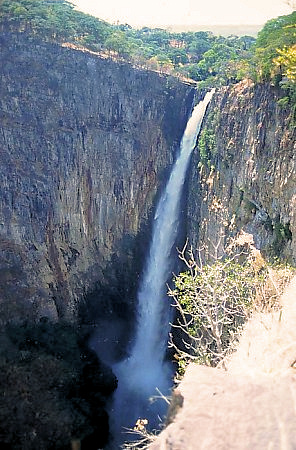
Up in the far north, where Zambia meets Tanzania at the head of Lake Tanganyika, the Kalambo River drops 235 metres in a single unbroken plunge — the second-highest waterfall in Africa, more than twice the height of Victoria Falls though a sliver of its width — and the ground above it holds one of the longest records of human occupation anywhere on the continent.
You can stand at the lip where the river goes over, or walk round to a viewpoint across the gorge as it runs away north towards the lake, with marabou storks nesting on the cliff faces; upstream lie the excavation sites, worked by archaeologists since the 1950s.
In 2023 researchers reported what they had found in the waterlogged riverbed: two large logs, shaped with stone tools and joined at right angles by a deliberately cut notch, dated to at least 476,000 years ago — the oldest wooden structure ever found anywhere on Earth, older than our own species, and older by nearly half a million years than the previous record-holder.
7 – The Barotse Plain and the Kuomboka


Out in the west the Zambezi spills across a floodplain the size of a small country, and the Lozi kingdom has built its whole life around that flood — farming the rich plain through the dry months, and moving off it when the water comes, as it has done for centuries under a king called the Litunga.
There are two royal capitals, and the kingdom uses both: Lealui out on the plain for the dry season, and Limulunga up on the high ground for the wet, with Mongu between them; in flood the plain becomes a shallow inland sea crossed by dugout canoes, and in the dry season it turns to grass and cattle.
When the water rises, the Litunga boards the Nalikwanda — a great black-and-white royal barge with an enormous model elephant on its roof — and a hundred paddlers in scarlet caps and lion-skin headdresses take him to higher ground to the beat of the royal drums; the ceremony is called Kuomboka, which means simply “to get out of the water”.
8 – Ndola and the Copperbelt
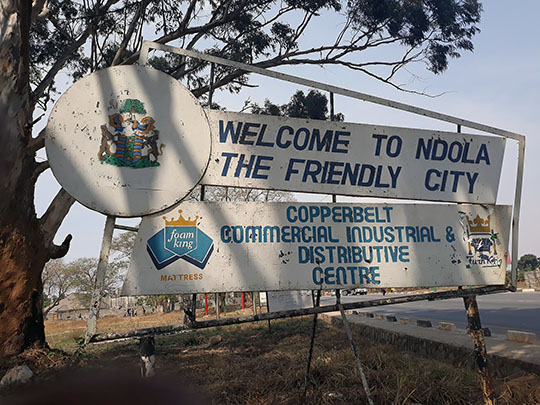

The string of mining towns along the northern border is where modern Zambia was made: copper pulled out of this ground built the colony’s wealth, drew workers in from across the region, and produced the unions and the strikes that produced independence in 1964 — Ndola is the Copperbelt’s commercial capital.
The Copperbelt Museum in Ndola sets out the geology and the history, with minerals, gemstones and the story of the mines; around the region lie the open pits and the black slag mountains, and in forest a few miles outside town stands a quiet memorial in a clearing.
That clearing is where, on the night of 17 September 1961, the aircraft carrying Dag Hammarskjöld — Secretary-General of the United Nations, flying in to negotiate a ceasefire in Katanga — came down short of Ndola airport, killing all sixteen people aboard; inquiries at the time settled nothing, the UN has reopened the investigation more than once, and whether the plane was brought down is still an open question.